
The best fortnight in the New York museum year starts in the third week of September, when the autumn shows open almost on top of one another and the August crowds have gone home. This season is unusually strong: a couture dress grown from 125 million bioluminescent algae in Brooklyn, forty fifteenth-century bronzes that have mostly never left Tuscany, an entire spiral rotunda handed to one artist for six months. What follows is the handful worth planning days around, where each show sits on the map, how far ahead you need to book, and which of these buildings can absorb a party of twelve without anyone having a miserable afternoon.
Brooklyn earns the ride across the East River
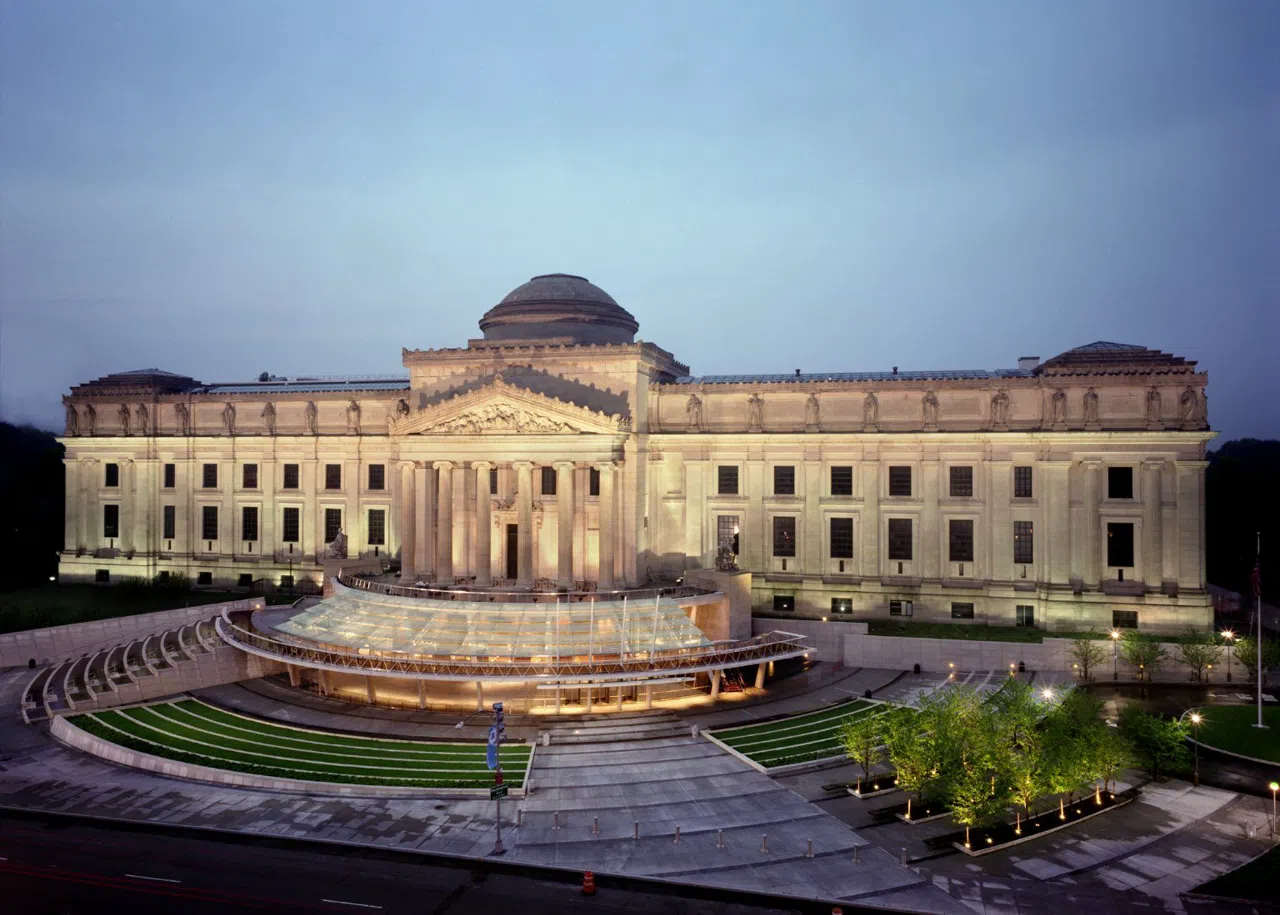
If you see one exhibition this autumn, make it Brooklyn Museum (Prospect Heights, Brooklyn) and Iris van Herpen: Sculpting the Senses, on until 5 December 2026. This is the show's North American debut, and it is not a small hang: more than 140 couture works, arranged so the Dutch designer's laser-cut and 3D-printed pieces sit alongside the natural forms and scientific imagery she works from. The dress cultivated with 125 million bioluminescent algae is the piece everyone leaves talking about, but the quieter rooms, where a garment is shown next to the skeleton or the water pattern it borrows its structure from, are what make the ticket worth it. Allow ninety minutes, two hours if you read wall texts properly.
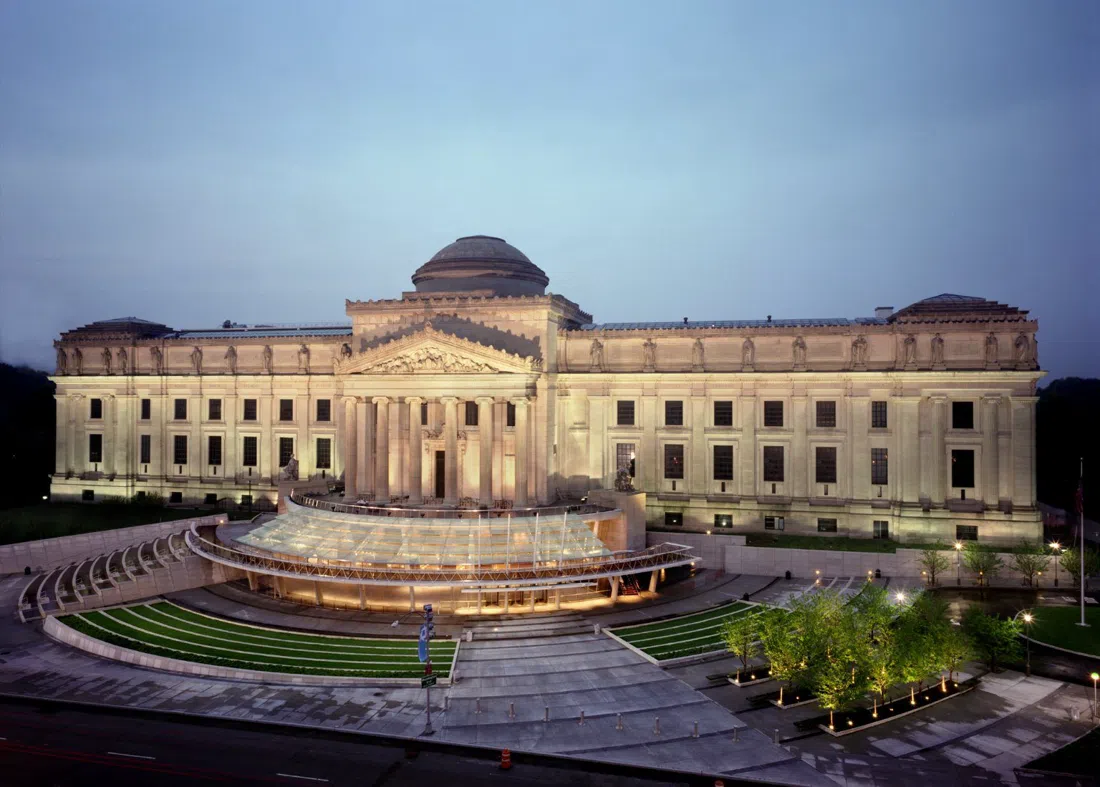
The practicalities are straightforward and slightly unusual for New York. General admission runs around $20, the van Herpen timed ticket is extra, and you must hold a timed slot. This is not a show you walk into on a Saturday afternoon in November. Up to twelve people can be booked online in one transaction, which makes it one of the easier big-name exhibitions for a group. If you want a guided visit, the museum runs exhibition tours for up to twelve adults on Wednesdays, Thursdays and Fridays at roughly $500 per group; for a party of ten or twelve that is a defensible per-head cost, for four people it is not.
Getting there is easier than most visitors expect. The 2 and 3 trains stop at Eastern Parkway–Brooklyn Museum and the entrance is essentially at the top of the station stairs, about thirty-five minutes from Midtown. Go on a weekday morning. The last three weekends before the 5 December close will be the busiest days the building sees all year.
Two free stops in Chelsea that pair with it
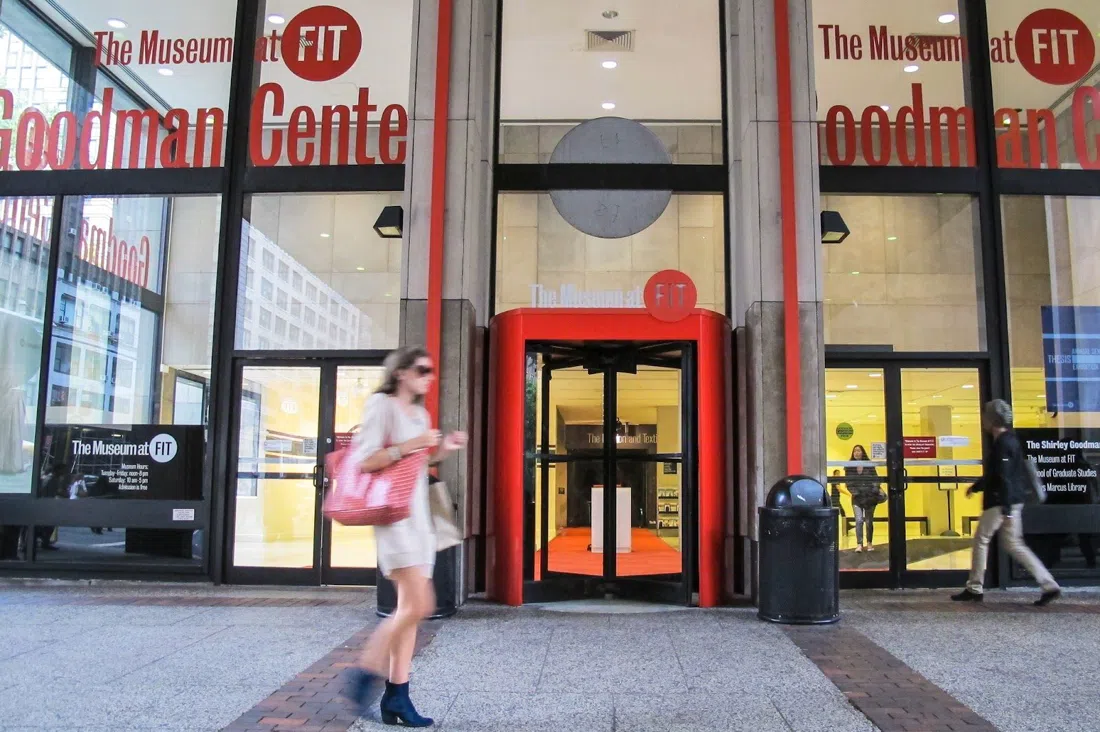
Anyone who has just spent a morning with van Herpen should give an hour to The Museum at FIT (Seventh Avenue at 27th Street), which is free and takes walk-ins, so there is no ticketing bottleneck for a group of any size. Doll Dressing (16 September 2026 to 3 January 2027) sets more than 170 fashion dolls against full-size garments, and it is far sharper than the premise sounds: a show about how clothing ideas get miniaturised, circulated and sold. Soil to Surface runs alongside from 24 September to 1 November. The galleries are compact, so a large party should expect to shuffle rather than spread out, but nobody is turned away and nobody pays.
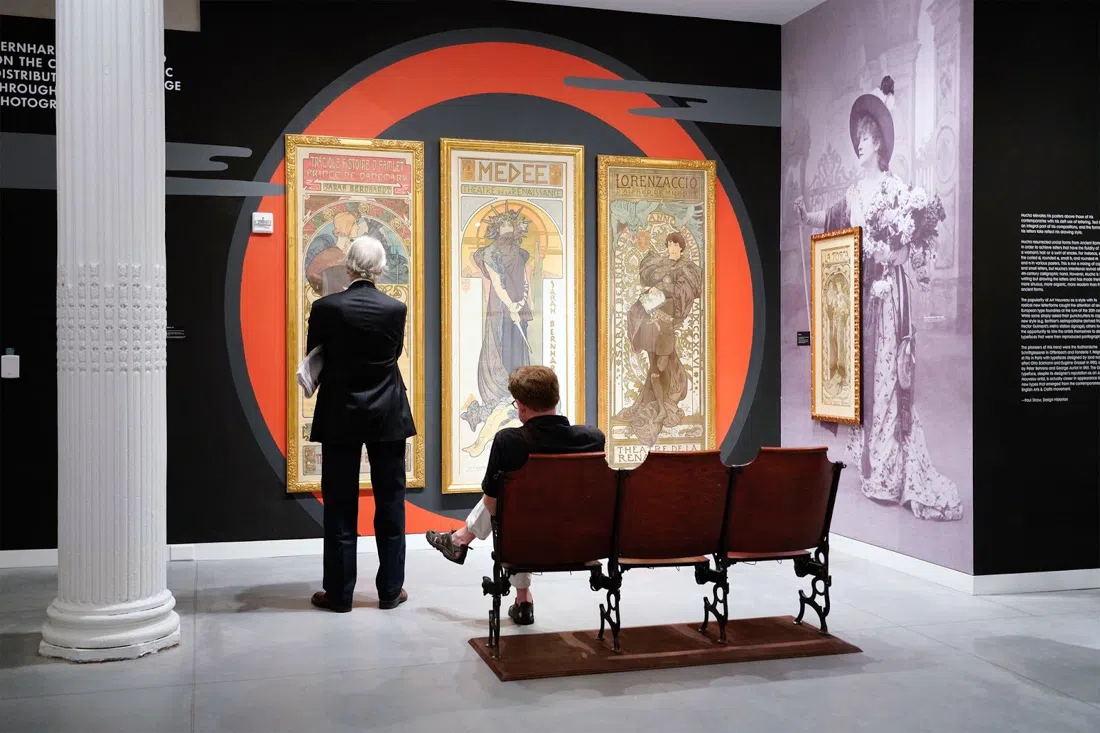
Ten minutes north on foot, Poster House (West 23rd Street, Chelsea) is around $12 and free on Fridays. Designed to Be Red: Native American & Indigenous Poster Works (25 September 2026 to 21 February 2027) covers nearly two centuries and more than sixty tribes and nations, tracking how Indigenous artists used a commercial medium to argue, advertise and organise. It is a small museum and the best cheap hour in the district. Groups of more than about eight should either split into two waves or arrange a guided slot in advance; a handful of people can simply walk in.
One artist, one rotunda, six months
Solomon R. Guggenheim Museum (Fifth Avenue at 89th Street) has given its entire spiral to Taryn Simon's Father Country I Do Love You, which opened on 18 September 2026 and runs to 14 March 2027. Forty-two interlocking chapters of photography, text, video and sculpture wind up the ramp. It is the largest debut of new work the museum has ever staged, and a body of work built to be walked rather than sampled. The architecture does a lot of the editing for you: the ramp is one-way, so people self-pace and a group never has to regroup at a junction.
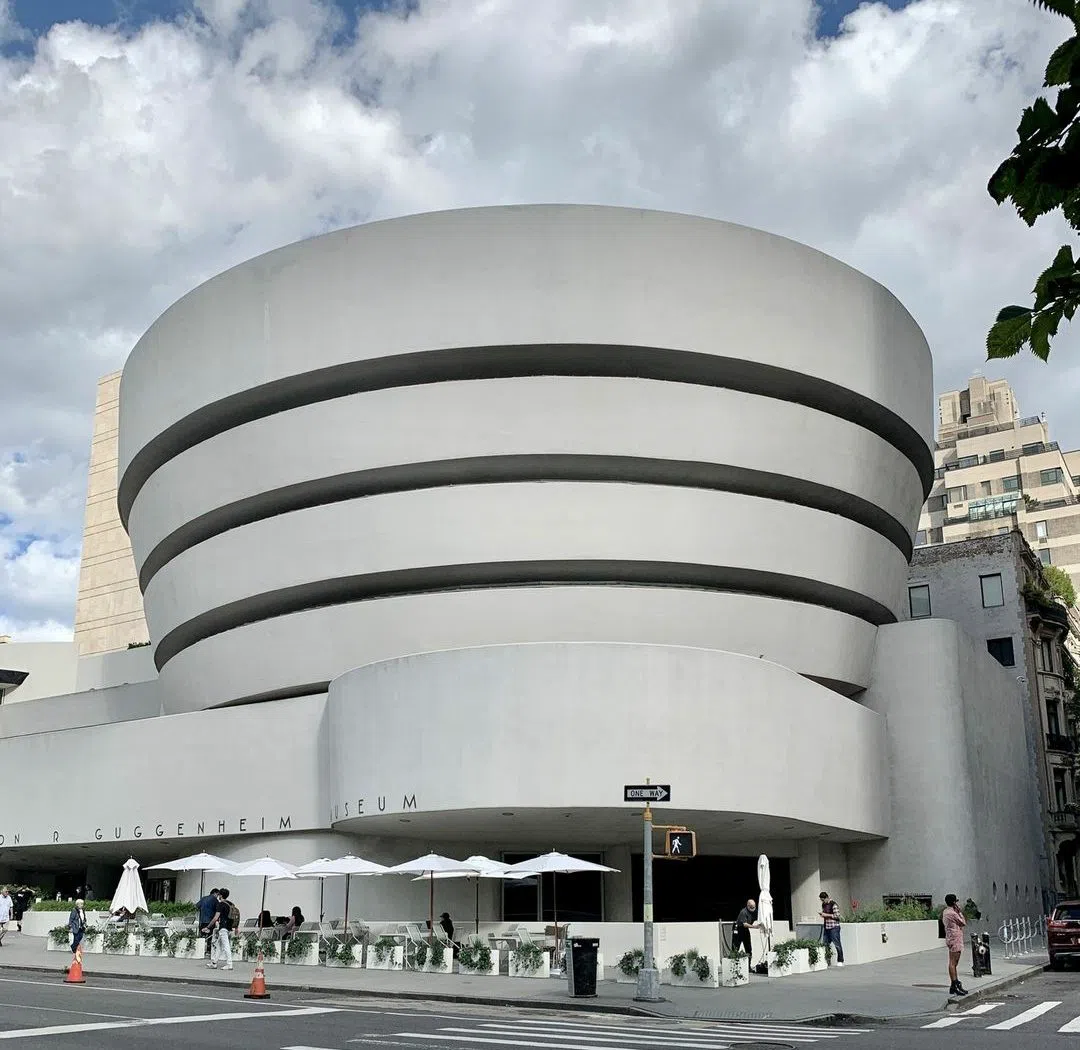
That one-way flow is the reason this is the easiest of the big-ticket Manhattan museums for a party of ten or more, provided you book in advance. Admission is around $30 with timed entry. Budget two hours if you want to read the chapter texts, which is the only way the piece resolves; ninety minutes if you are looking rather than reading.
Fifth Avenue mansions, taken one at a time
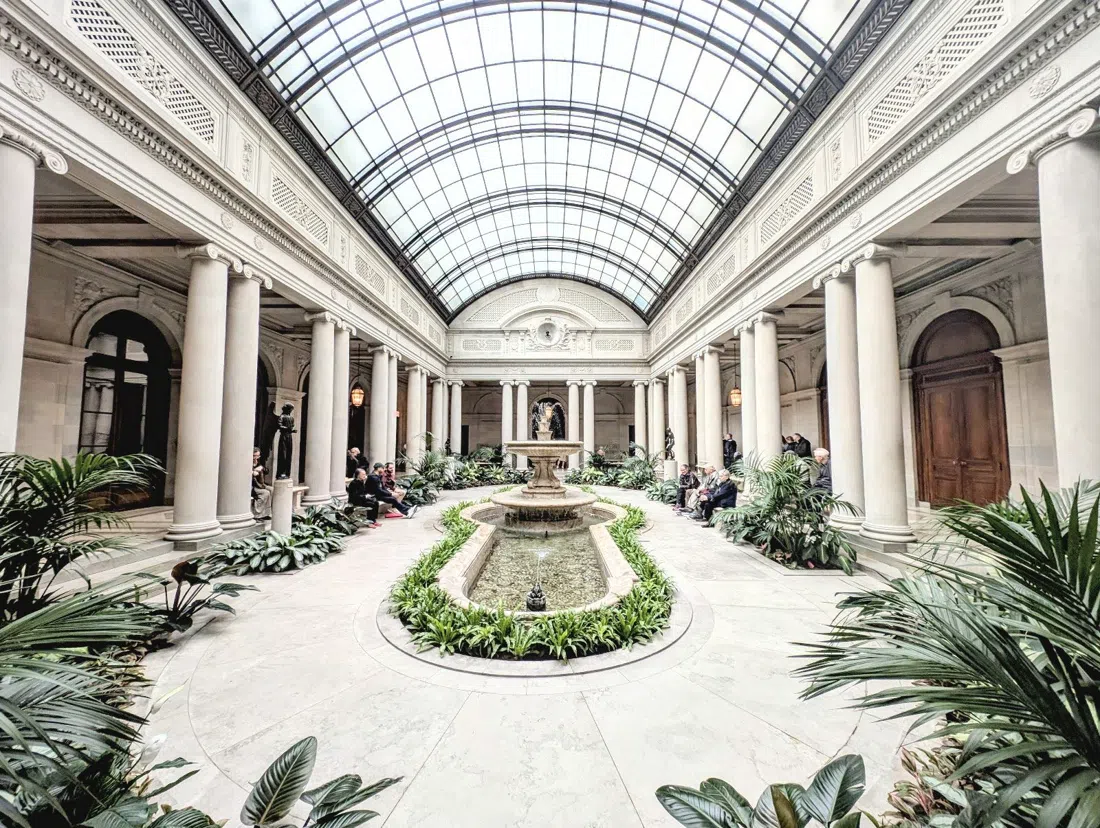
The stretch of Fifth Avenue above 68th Street holds four very different collections in former private houses, and the common mistake is trying to do them in a single day. Two is the sensible maximum. The Frick Collection (70th Street at Fifth Avenue) reopened in April 2025 after its renovation, and from 15 October 2026 it shows some forty bronzes made in Tuscany between 1450 and 1500, including work by Donatello, Vecchietta and Francesco di Giorgio, most of which have never been exhibited outside the region that made them. Bronze at this scale is object-by-object viewing, and the Frick's rooms are intimate enough that a crowd ruins it. Advance timed tickets are required, tickets are around $30, and in practice this is a place for couples and small groups rather than parties; book weeks ahead and go at opening.
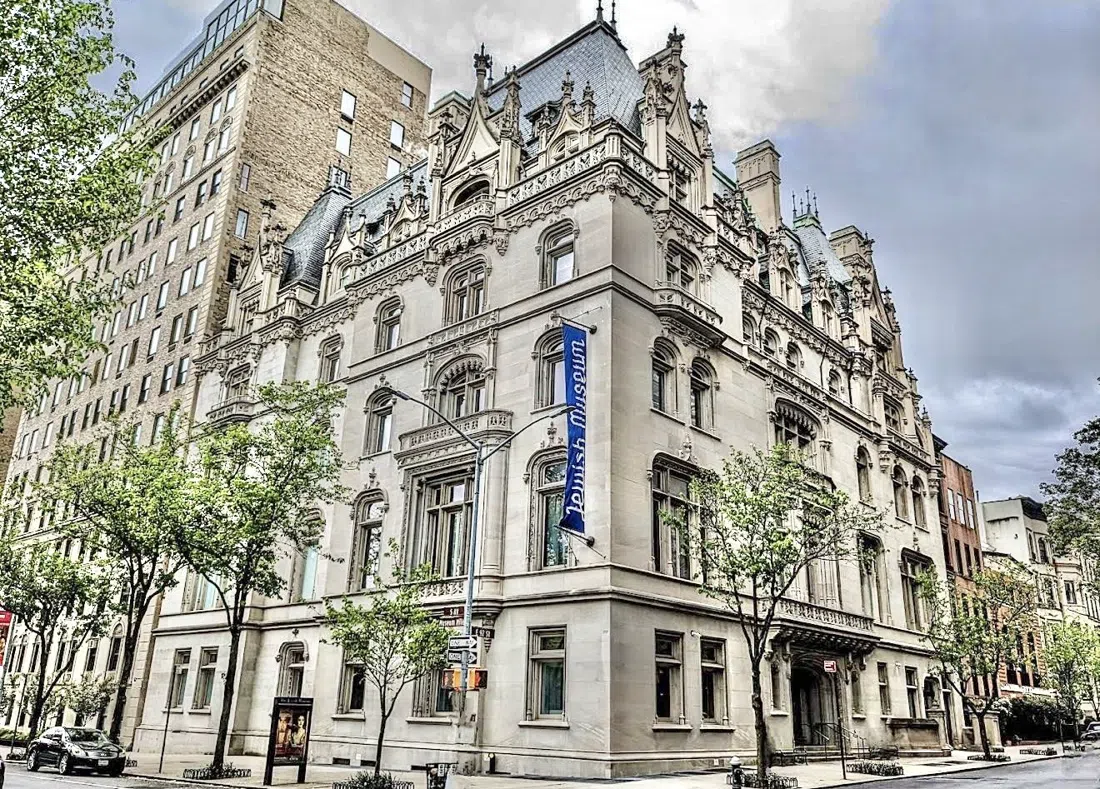
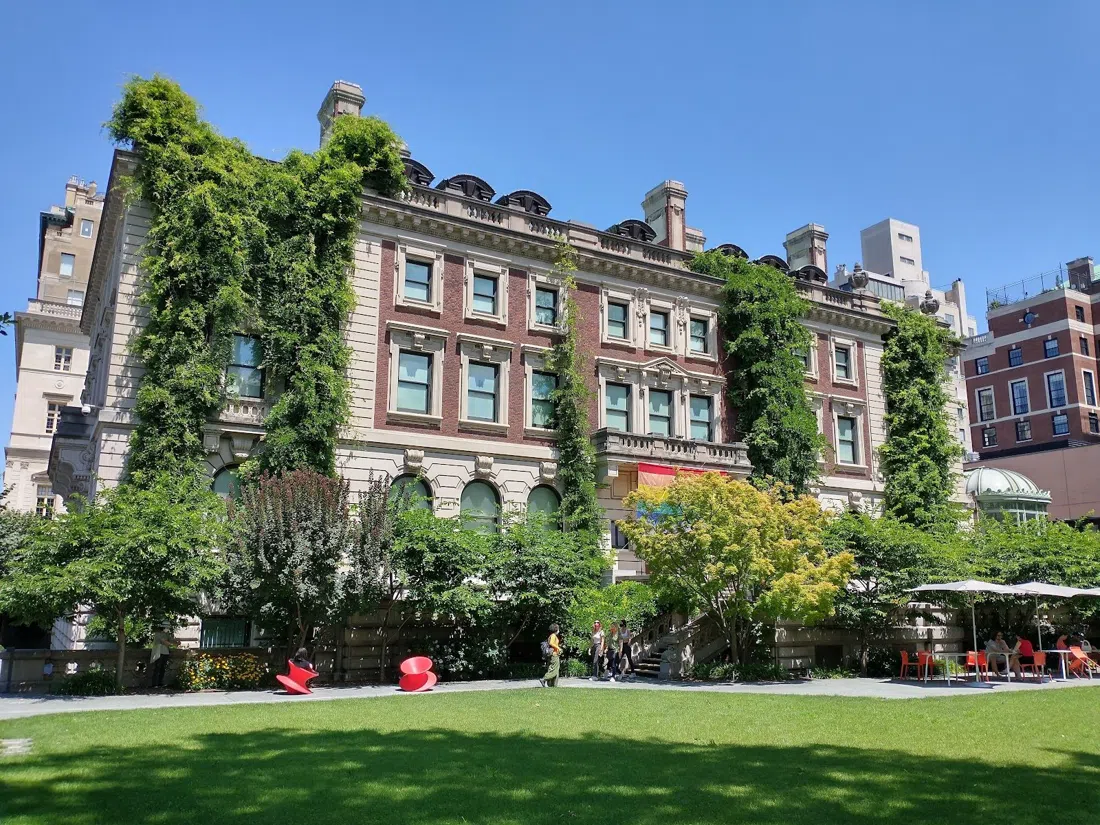
Up at 91st Street, Cooper Hewitt, Smithsonian Design Museum (Carnegie Hill) is the reliable pick that no exhibition calendar can strand you on: Design Across Time occupies the mansion's entire ground floor until October 2028, drawing graphics, textiles, furniture and digital work out of Smithsonian storage. Around $22, groups accepted with advance booking, and the garden and terrace give a party an obvious place to reassemble. One block north, The Jewish Museum (Fifth Avenue at 92nd Street) has Fragments of Memory from 18 September 2026 to 7 February 2027, bringing reliquaries from the treasury of St Vitus Cathedral, most of which have not been shown in the United States before; Adorning Ritual runs to 25 October. Admission is around $18 and free on Saturdays, though the galleries are modest and parties over roughly twenty will feel it.
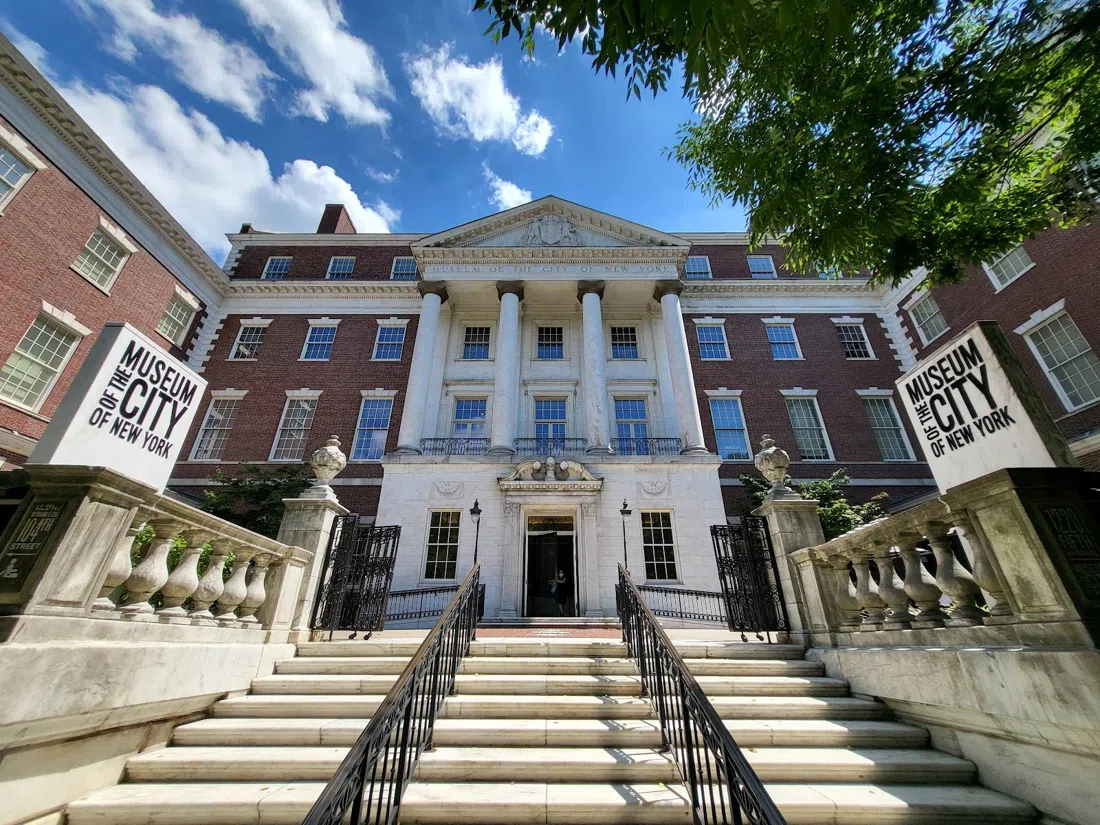
The last stop on the Mile rewards the extra eleven blocks. Museum of the City of New York (Fifth Avenue at 103rd Street) opened Raise Your Voice: New York Activism on 25 September 2026 as a permanent gallery covering 250 years of protest in the city, shown alongside Halumii Ktapihna on Lenape history and futurity. Around $20 suggested admission, and an established programme for school and tour parties, so a large group is genuinely welcome here rather than tolerated. If you want one room that explains how this city actually works, how it argues, organises and changes its own mind, this is it.
Downtown, where the street outside is the exhibit
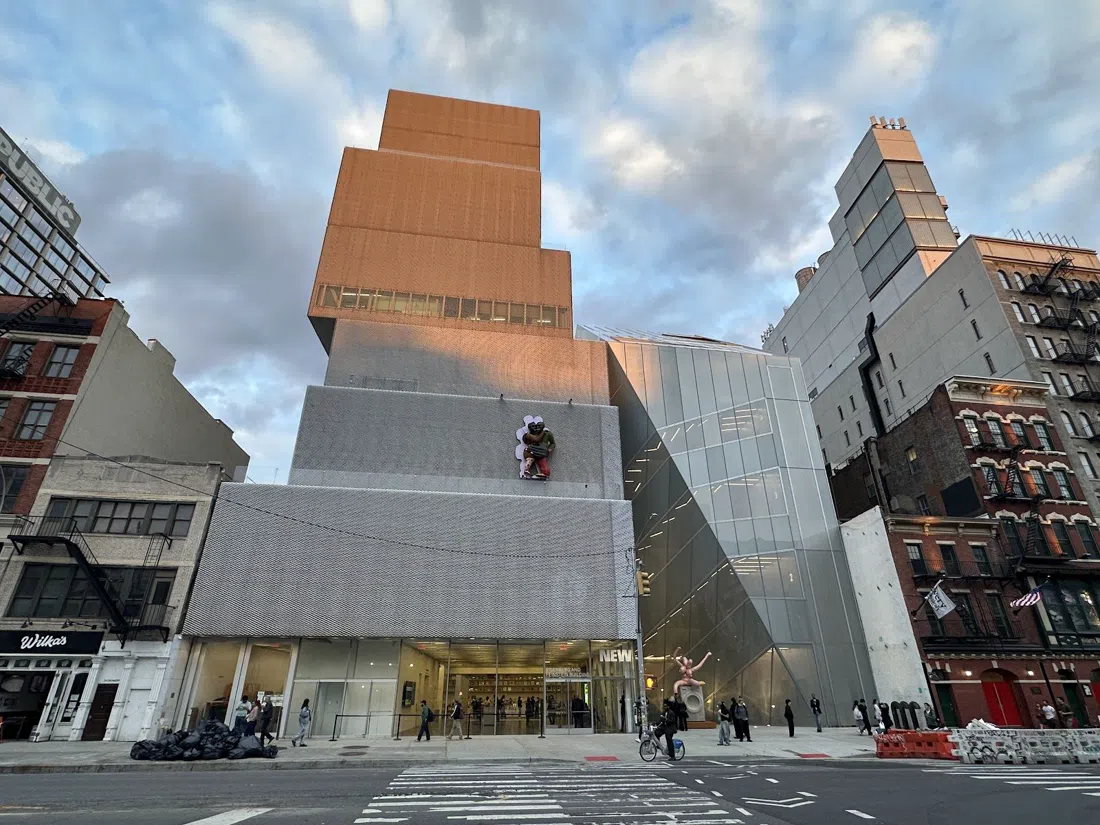
New Museum (Bowery) has done the most location-specific thing in the city this autumn. The Bowery: Devil's Mile (24 September 2026 to 31 January 2027) traces four hundred years of the road immediately outside the front door, from Lenape footpath to farm lane to flophouse strip to artists' quarter to the address the museum itself now occupies. Standing in that building and reading its own street's record is the kind of thing that only works once, in one place. Tickets are roughly $22. The pay-what-you-wish evenings, 7pm to 9pm on designated dates, must be reserved online and fill quickly, so if you are more than four people, book a standard slot and stop hoping.
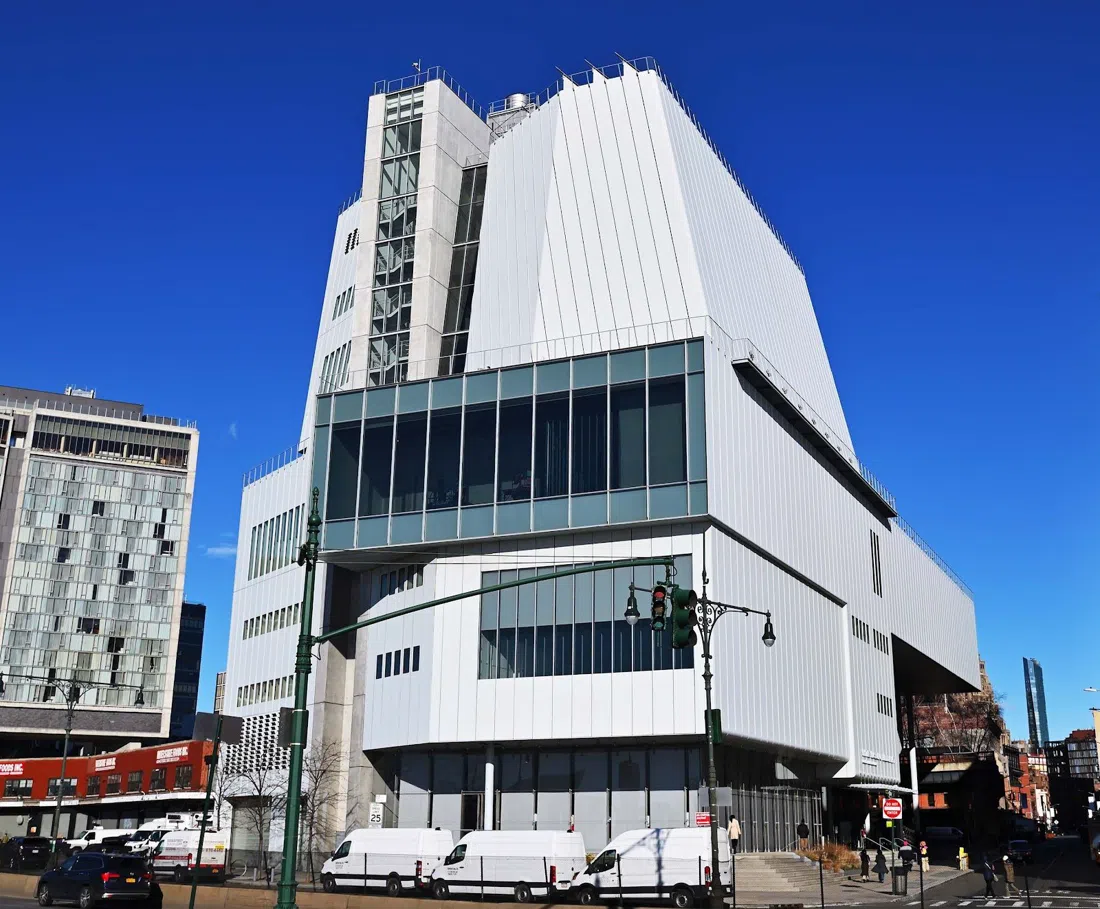
A fifteen-minute ride west, Whitney Museum of American Art (Meatpacking District) opens Roy Lichtenstein: Like New on 11 October 2026, running to 10 May 2027. Around 130 works, with all eight pieces from his 1962 gallery debut reunited for the first time and a 96-foot recreation of the Greene Street Mural, which is the reason to go rather than assume you already know this artist. The Lost World: The Art of Minnie Evans runs alongside to 10 January 2027 and is the better show of the two on a second visit. Admission is about $30 with pre-booked timed entry; the outdoor terraces are what make it workable for a big group, giving people somewhere to stand between floors instead of clogging a stairwell.
Midtown belongs to paper this season
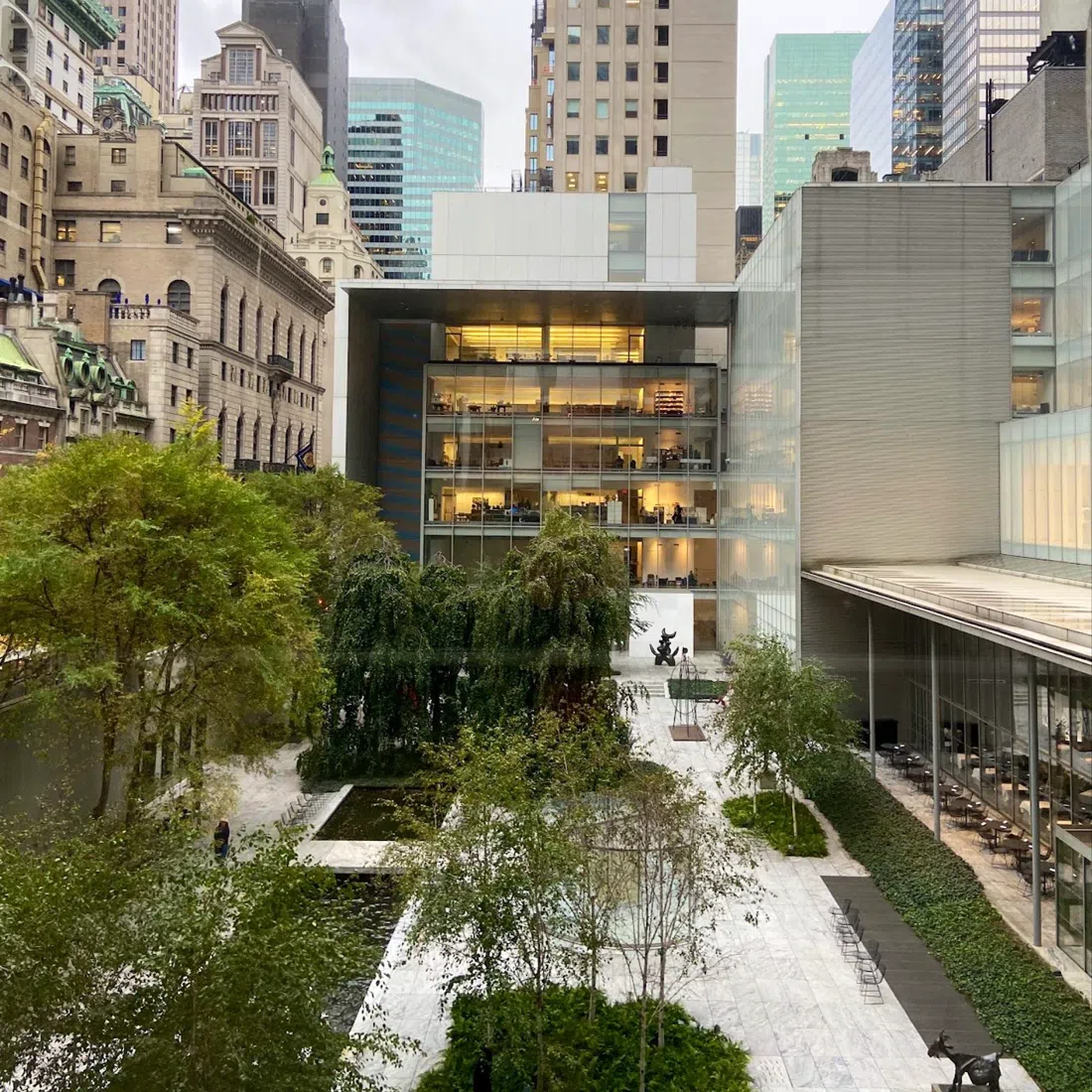
Museum of Modern Art (Midtown, 53rd Street between Fifth and Sixth) opens The Surrealist Book: Tomorrow Lives in Mirrors on 4 October 2026, running to 23 January 2027. It pulls Dalí, Ernst and the small Surrealist presses of the 1920s to the 1960s out of the vaults: rare books, which means vitrines, low light and slow reading. That makes it the wrong show for a restless group and the right one for anyone who has already done MoMA's permanent collection twice. Admission is around $30, group tickets and pre-booked guided tours are available, and the building is genuinely unpleasant at weekend midday; for a group, take the earliest slot of the day and treat everything after 1pm as a loss.
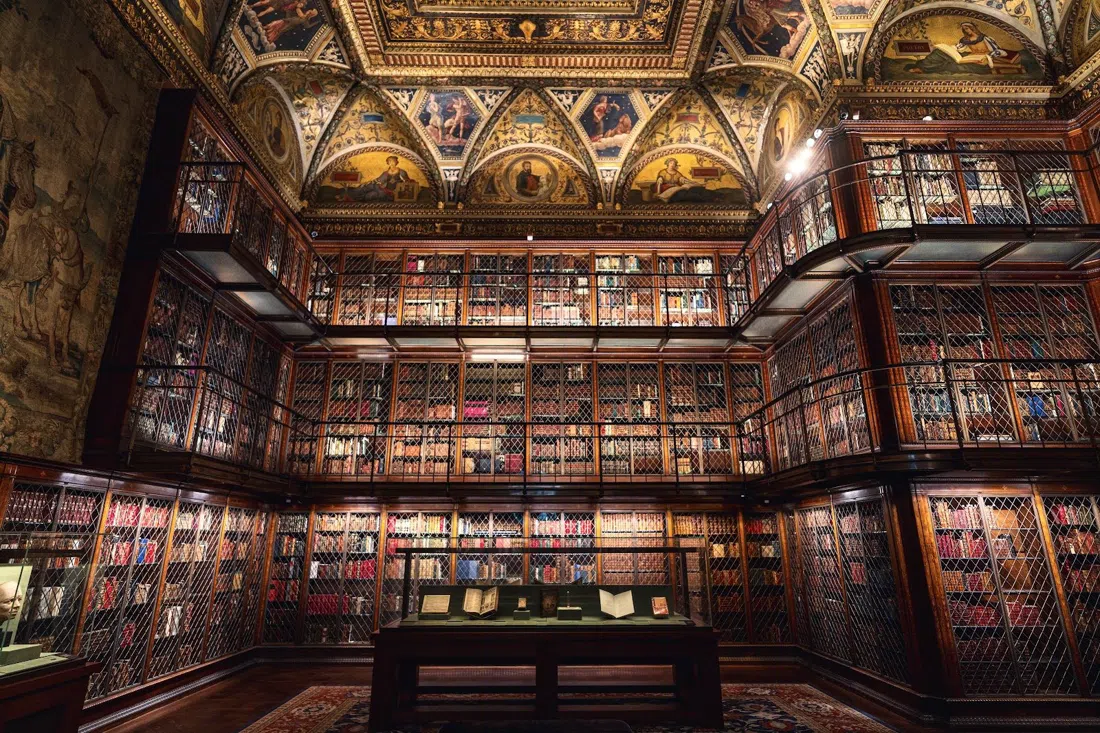
Ten blocks south, The Morgan Library & Museum (Madison Avenue at 36th Street, Murray Hill) is the better-tempered version of the same pleasure at around $25. The Collected Photograph, 1970–1989 closes on 11 October 2026 and Luminous Color on 8 November, with Fantasy and Reality: The Art of Johan Tobias Sergel opening on 23 October. The exhibitions are a bonus. The original library rooms, with their tiers of books and the vault door standing open, are worth the ticket on their own. Groups are taken by advance arrangement only and kept modest in size, because the historic rooms are small.
Uptown for 1976 and a trophy case
The New York Historical (Central Park West at 77th Street) has You Should Be Dancing: New York, 1976 and Beyond from 2 October 2026 to 4 April 2027, covering punk, disco and hip hop in the year the city nearly went bankrupt, with instruments, clothing and Robert De Niro's Taxi Driver hack licence among the objects. Around $24, booked in advance for groups, and large school and tour parties are routine here. It is a social history show as much as a music one, and it rhymes usefully with the activism gallery further uptown.
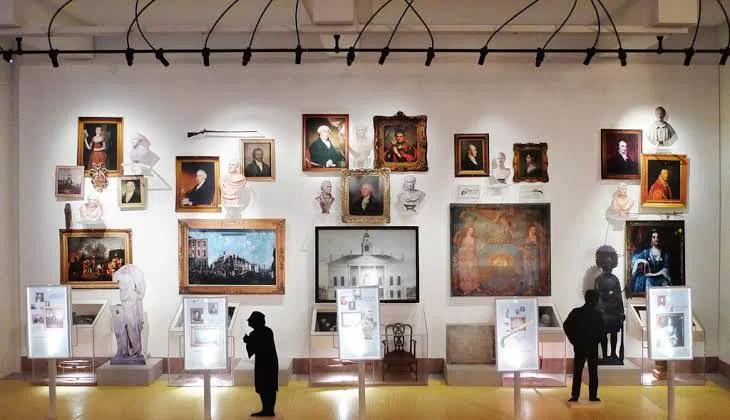
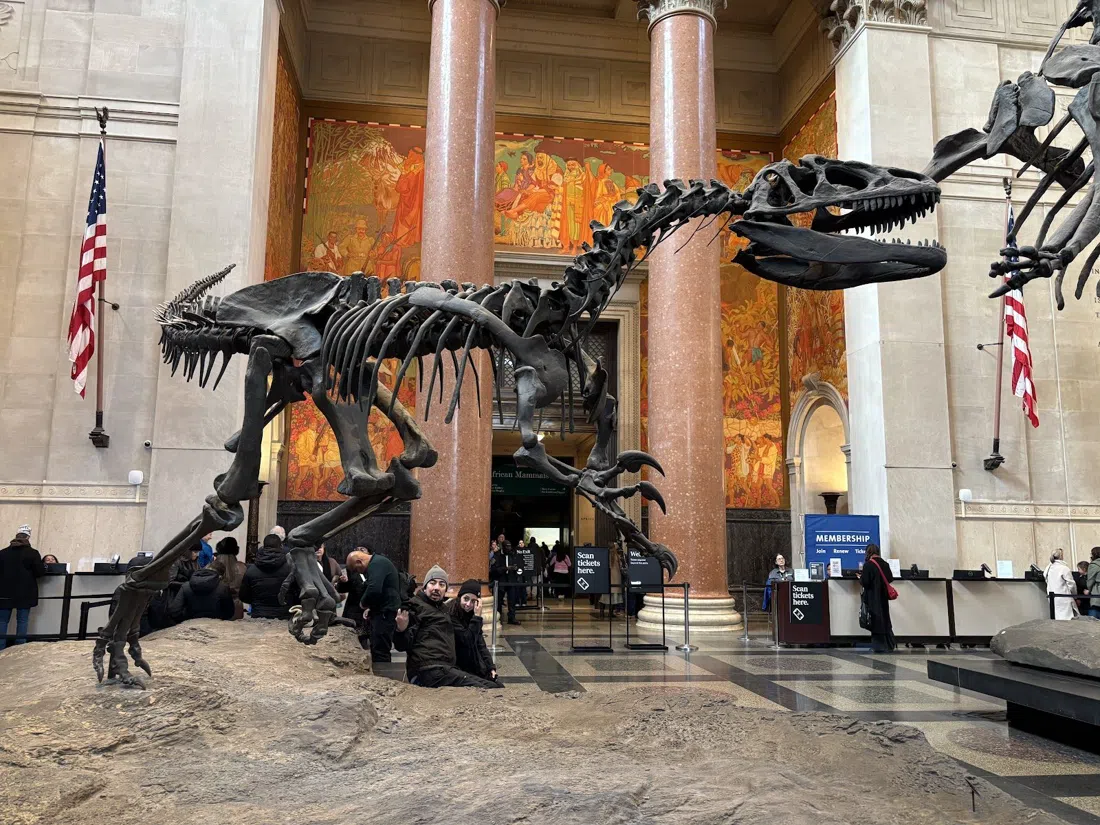
Four blocks north, American Museum of Natural History (Upper West Side, 79th to 81st Street) is built for crowds in a way no other museum here is, with dedicated group entrances and school parties and large tour bookings handled every day. For the Win: Objects of Sports Excellence has been open since May 2026 in the Mignone Halls of Gems and Minerals and closes on 3 January 2027: seventy-plus rings, trophies and medals, including the Knicks' engraved Larry O'Brien Trophy, shown as craft objects rather than sports memorabilia. General admission is around $28, with pay-what-you-wish for New York State residents; the planetarium show and the Butterfly Vivarium cost extra and neither is essential unless you have children. Go for the Gilder Center regardless of what is on. It is the best new architecture in any museum in the city.
Harlem's first purpose-built home
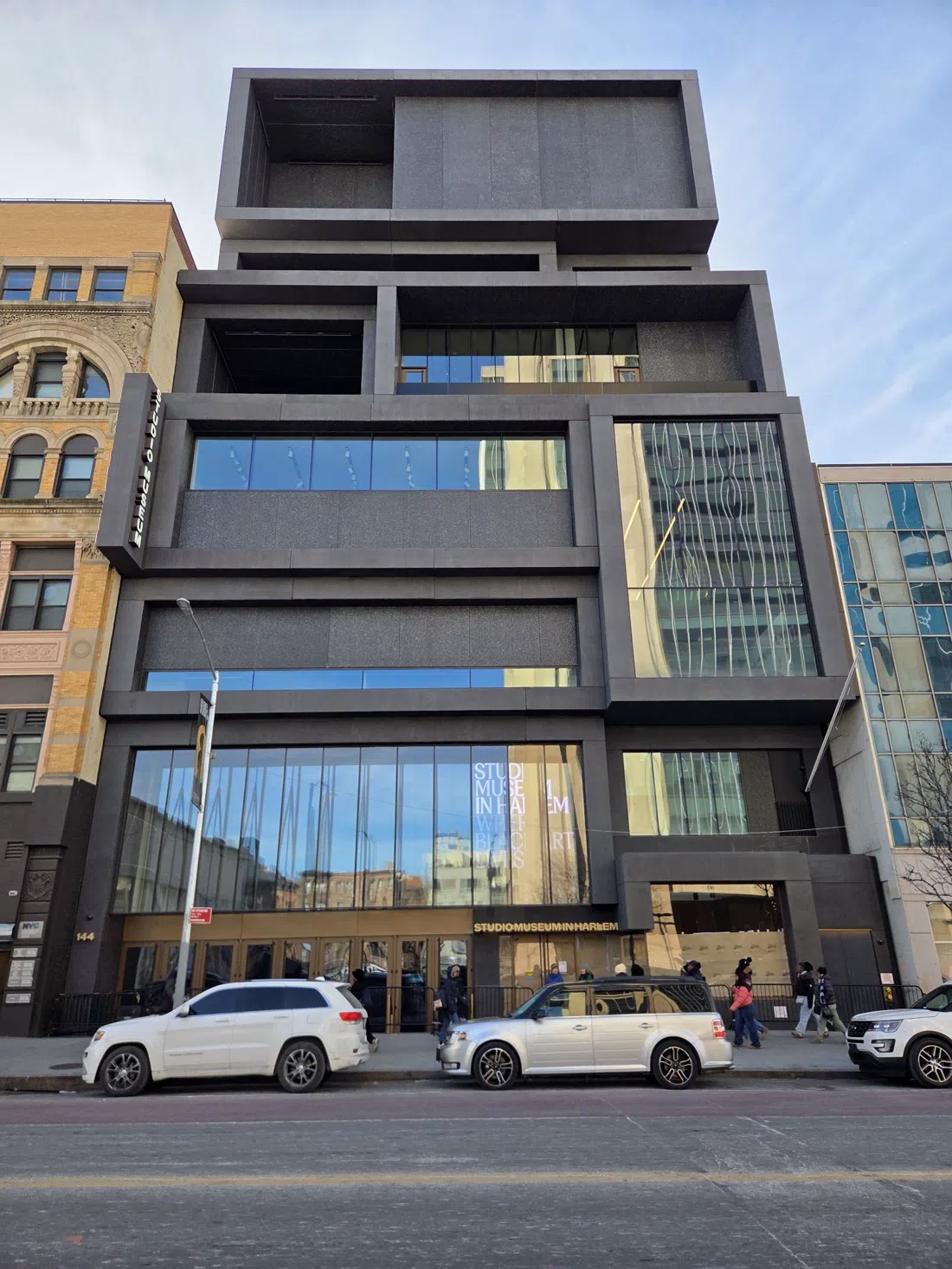
The Studio Museum in Harlem (West 125th Street) opened its own building in November 2025 after decades in a converted bank, and the difference is immediate: seven floors with proper circulation space, which means a group can move without queuing on a staircase. Its autumn 2026 season closes the inaugural year with Dreams of This Future, drawn from the Peggy Cooper Cafritz bequest, Geometries, and the Artists in Residence exhibition from 1 October. Admission is low and free on Studio Sundays. Groups by advance booking. Combine it with lunch on 125th Street and treat it as a half day rather than a stop squeezed between two other museums.
What to book for two people and what to book for twelve
The honest split is this. For a couple, the Frick's bronzes, the Morgan's library rooms and the Jewish Museum reliquaries are the best hours in the city this autumn: small rooms, dense objects, nothing improved by company. For a party of eight to twelve, go to the Guggenheim, the Whitney, the Museum of the City of New York, the Studio Museum or the natural history museum, all of which have the circulation space or the group infrastructure to cope. The Museum at FIT is the only one of the fifteen where a group can simply turn up.
Everything with a marquee exhibition now requires a timed ticket bought in advance, and the two that will sell out first are van Herpen in Brooklyn and the Lichtenstein opening weeks at the Whitney. Book those the moment your dates are fixed, then arrange the rest of the itinerary around the slots you got. Cheap days are real but inflexible: Fridays at Poster House, Saturdays at the Jewish Museum, Studio Sundays in Harlem, and the reservable pay-what-you-wish evenings at the New Museum. Two museums a day is a good day, three is a bad one, and nobody has ever enjoyed the third.
Getting around, paying and timing the days
The subway does all of this. Every museum above is within a short walk of a station: the 2 and 3 to Eastern Parkway for Brooklyn, the 4, 5 and 6 up the east side for the Mile, the B and C to 81st Street for the two Upper West Side museums, the 1 for Chelsea and the Museum at FIT, the 2, 3, A, B, C and D to 125th Street for Harlem. Fares are flat per ride at roughly $3, and if you tap the same contactless card or phone for every journey the weekly cap kicks in once you have made enough trips, so a museum-heavy week costs less than you would budget. A cab from Midtown to Brooklyn Museum is around three times the time-cost of the train in traffic and forty times the fare.
Cards work everywhere and most museum shops and cafés no longer take cash at all; carry a little for street food and tips and nothing more. Weekday mornings are the difference between seeing a show and seeing the backs of heads, and most of these buildings are closed at least one day a week. Check the specific day before you fix an itinerary, because closures are not standardised across the city. Budget roughly $25 to $30 a head for each major museum, $12 to $22 for the smaller ones, and nothing at all for the Museum at FIT.
On where to sleep: Midtown puts you within twenty minutes of nearly everything on this list, the Upper East Side is best if the Mile is your priority, and downtown around the Bowery suits anyone whose trip leans contemporary. Compare rates and locations through the New York hotel search, and if you are building out the rest of the days around these exhibitions, the wider New York guide covers the eating and neighbourhood ground this piece deliberately leaves alone.
One last piece of timing. The tight window is 18 September to mid-October 2026, when six of these shows open within a month of each other; the widest choice is late October, once the Frick bronzes and the Lichtenstein are both up and the Morgan has rotated. Either is a good trip. What does not work is arriving in the first week of December expecting to walk into Brooklyn on a whim.