The New York issue
The Counter That Never Closes: Inside New York's Bodega Culture
A block-by-block guide to the delis, grocers and grill counters that feed New York around the clock — where to go, what to order, and which ones are worth the queue.

By Femi AdeyemiWalk one more block than the map tells you to
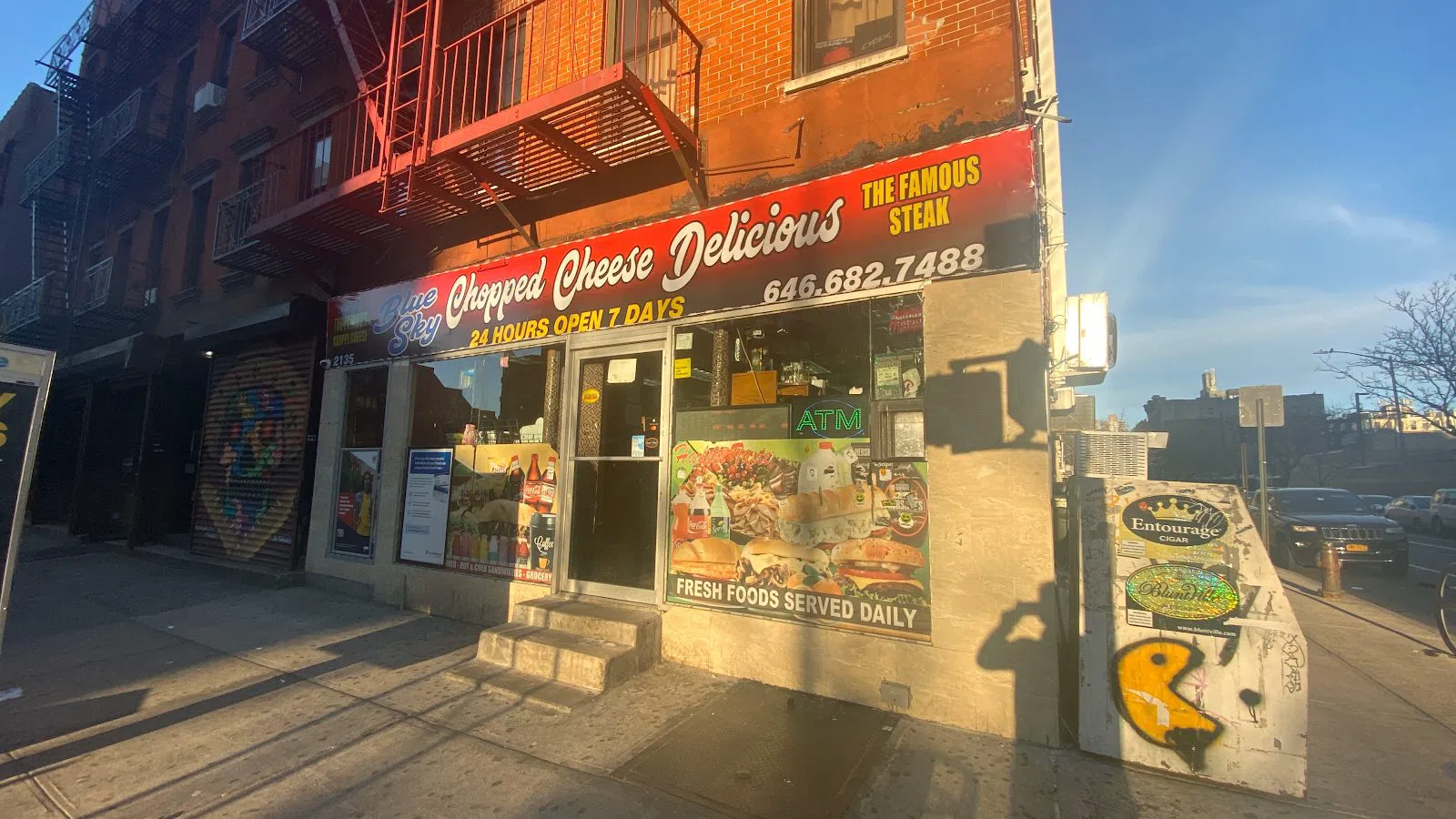
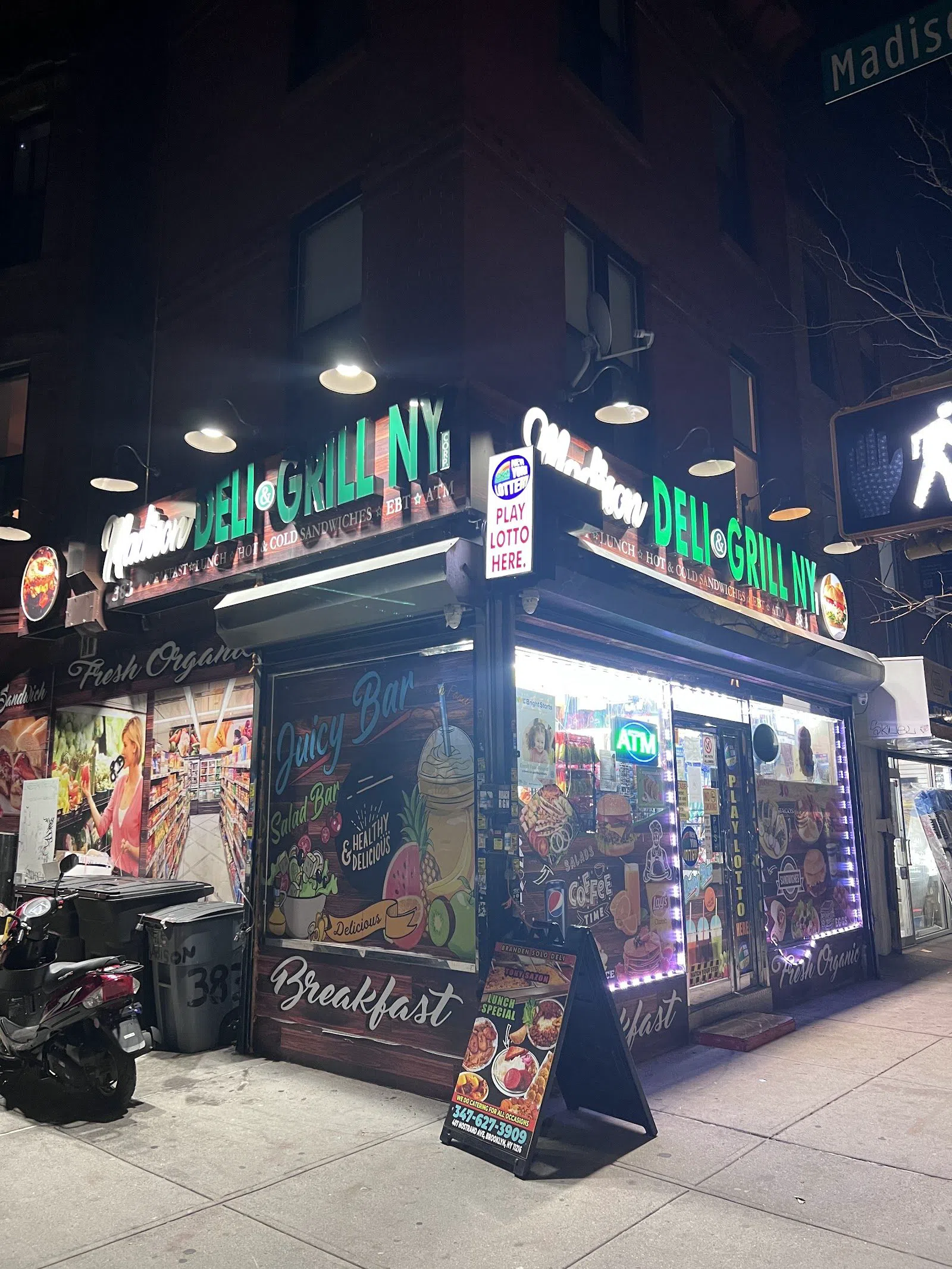
Somewhere in New York right now, a grill is on. It is two in the morning or two in the afternoon, and behind a fogged glass counter someone is flattening a scoop of chopped beef against a griddle, folding it into melted cheese, and sliding it into a hero roll for whoever walked through the door. The bodega — half corner shop, half kitchen, wholly a neighbourhood's living room — is the closest thing this city has to a shared table, and it never really closes.
What a bodega is, and why it matters
The word travels badly. Say "bodega" to a first-time visitor and they picture a convenience store, and they are not wrong, but they are missing the point. A New York bodega is a grocery that grew a kitchen, or a kitchen that hid behind a grocery, and the best of them are run by families who have fed the same blocks for decades. You go for a sandwich and a coffee and a roll of paper towels, and you leave having had a genuinely good meal for the price of a museum coffee. What follows is not every bodega in the city — that would be a phone book — but a route through the ones worth crossing town for, honestly rated, with the queues and quirks named up front. For where to base yourself between counters, the New York hotel search will place you within striking distance of most of these neighbourhoods, and the wider New York guide covers the sights you'll want to string around them.
Plan your New York trip
Live prices from our booking partners.
Free cancellation on many rooms. We may earn a commission when you book.
The chopped-cheese pilgrimage
If you make only one bodega stop, make it uptown. Blue Sky Deli, known to everyone who matters as Hajji's, sits in East Harlem and is widely cited as a birthplace of the chopped cheese — that uptown answer to the cheesesteak, ground beef and onions chopped and griddled together with American cheese, packed into a roll with lettuce, tomato and a slick of mayo. At around $8.50 it is the single most "this is a real New York bodega" experience a newcomer can have, and it is worth understanding what that means before you arrive. This is counter service, walk-in, no door policy and no pretence. There is nowhere to sit; you order at the grill, you wait among the crisps and the fridges, and you eat standing on the street with the paper still warm in your hand. A group is fine here in the sense that nobody will stop you, but do not imagine a table for six — imagine six people leaning against a parked car, which is exactly the right way to eat a chopped cheese anyway. Go hungry, go with cash or card either way, and go without a reservation, because the idea of one would make the man at the grill laugh.
Downtown, grazing: the East Village and Lower East Side
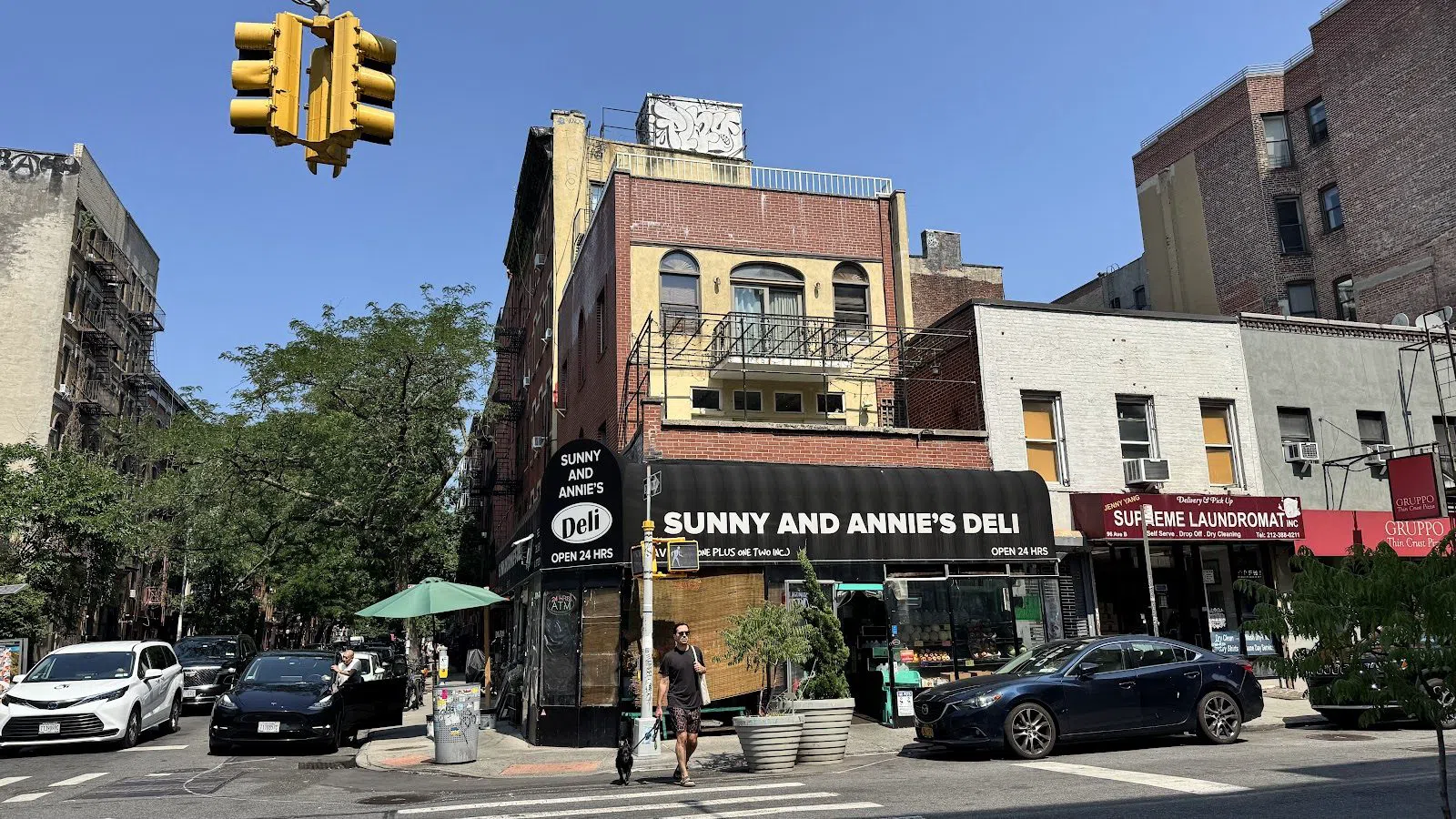
The density of Lower Manhattan makes it the easiest place to string several counters into an afternoon, and the character shifts from block to block. Start with Sunny & Annie's Deli in the East Village, which represents the inventive end of the whole spectrum — the bodega as sandwich laboratory, building overstuffed, oddly-named creations that have earned a following well beyond the neighbourhood. It is takeout only, which sounds like a limitation until you realise it is a feature: you order your sandwiches (roughly $10–13 each), walk two minutes to Tompkins Square Park, and eat them on a bench. That makes it the low-stakes group stop of this guide — ideal for four or five people who want a picnic without a plan, each ordering something different and comparing notes on a park bench in the sun.
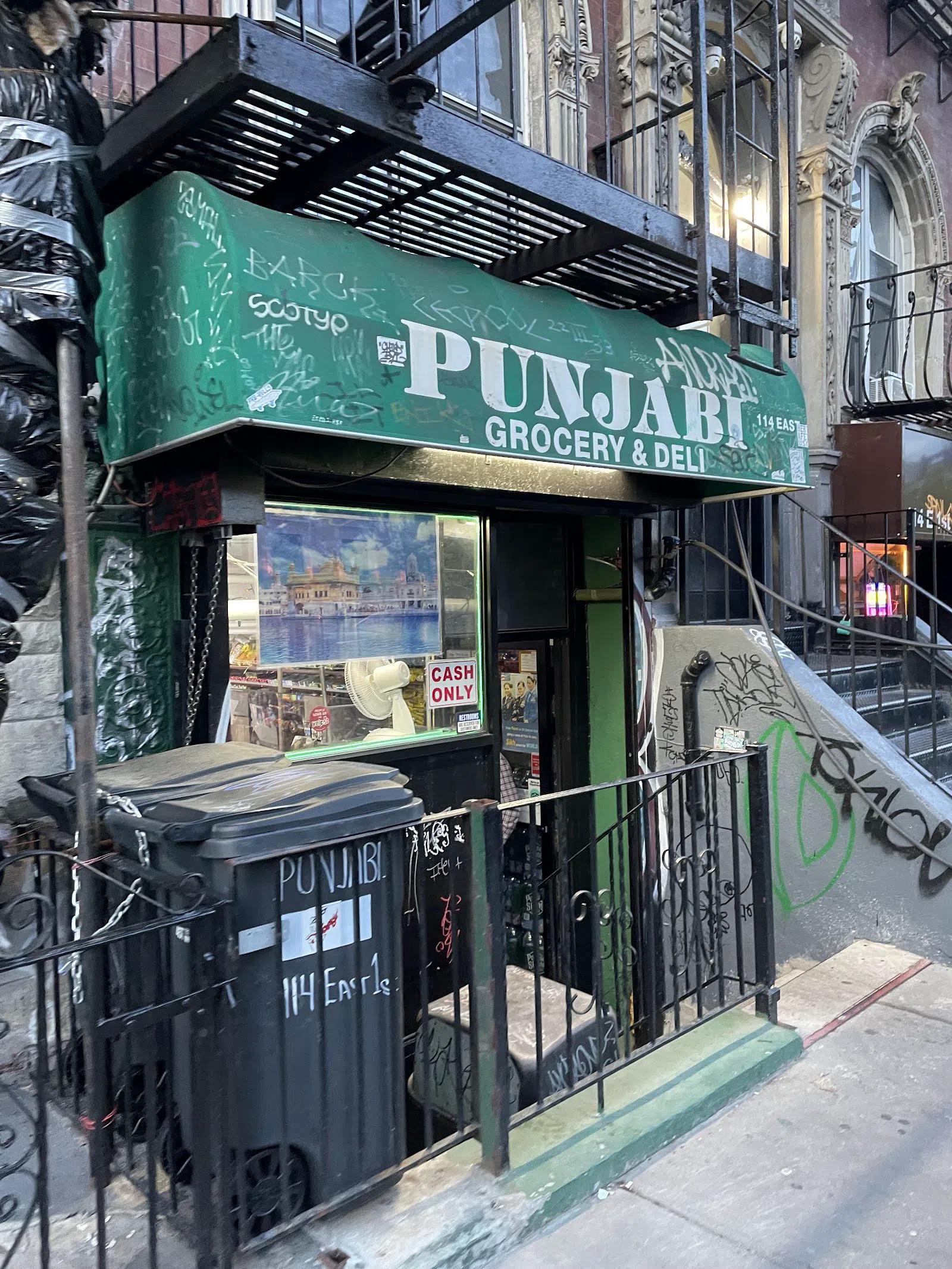
A short walk away, Punjabi Grocery & Deli is a different proposition entirely, and one I'd send anyone to. This is a 24-year taxi-driver institution, an all-vegetarian counter that reopened after a brief closure across 2025 and 2026 and is back on 1st Street where it belongs. The format is pure New York: a standing-room counter, cash only, open 8am to 10pm, plates of dal and chana and saag ladled out for a few dollars each. A small group can graze here astonishingly cheaply, but be honest with yourselves — there is nowhere to sit and barely room to stand, so this is a grab-and-eat-nearby stop, not a lingering one. That it is entirely vegetarian also makes it invaluable: it covers a dietary base most bodegas simply don't, and it does so with food that taxi drivers have trusted for a generation, which is about the highest endorsement a cheap plate can carry.
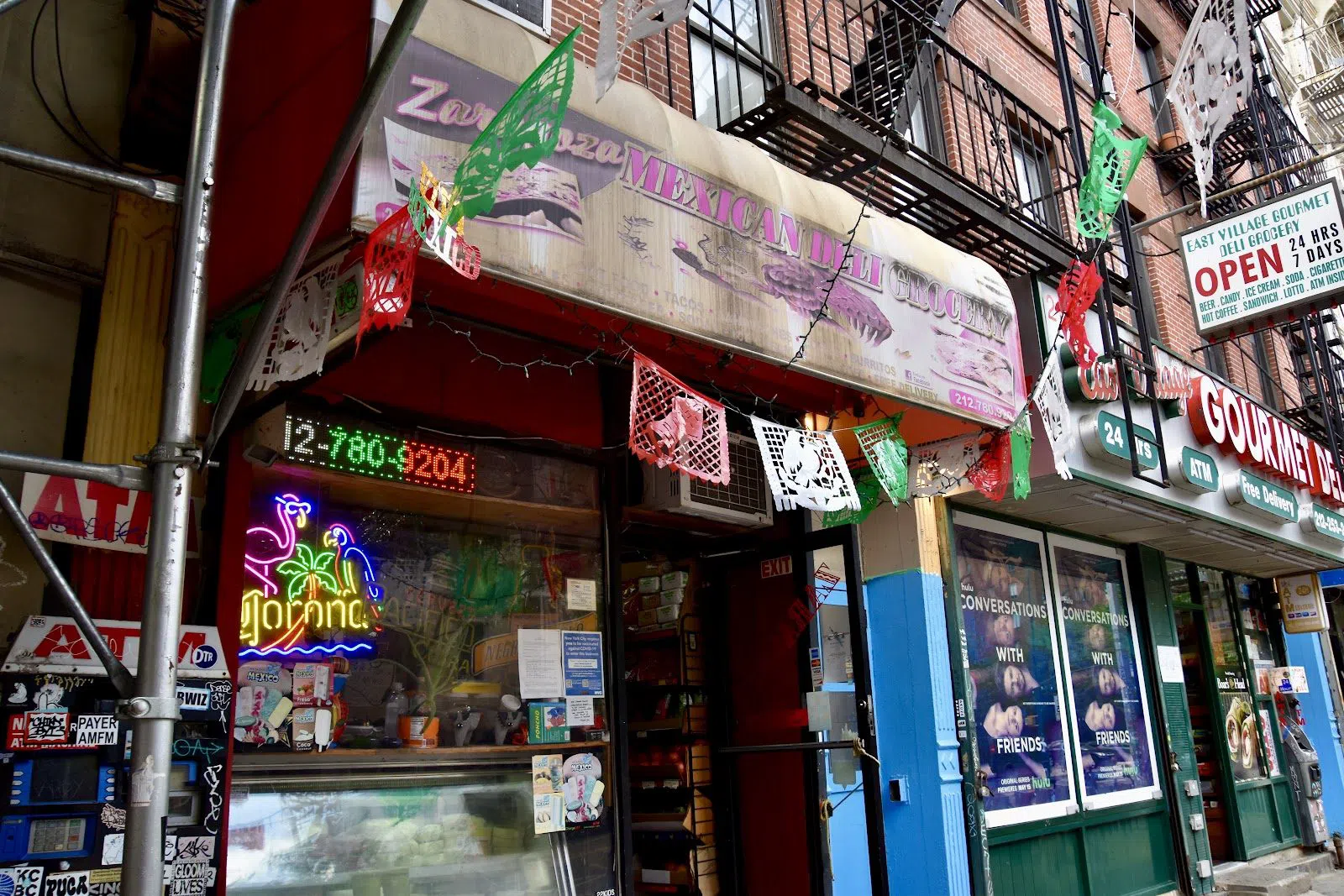
Stay in the neighbourhood for Zaragoza Mexican Deli & Grocery, the platonic "bodega with a cocina" — a Mexican grocery front concealing a family kitchen that has been turning out home-cooking since 2000. Food writers keep quietly sending people here, and the appeal is the plainness of it: $2 tamales, burritos around $6, cooked by the family that owns the place. It is genuinely small — service is at a counter, and while a few people can order together, this is a spot to collect your food and move on rather than settle in. Two people will do better than six. Go for the tamales and don't overthink it.
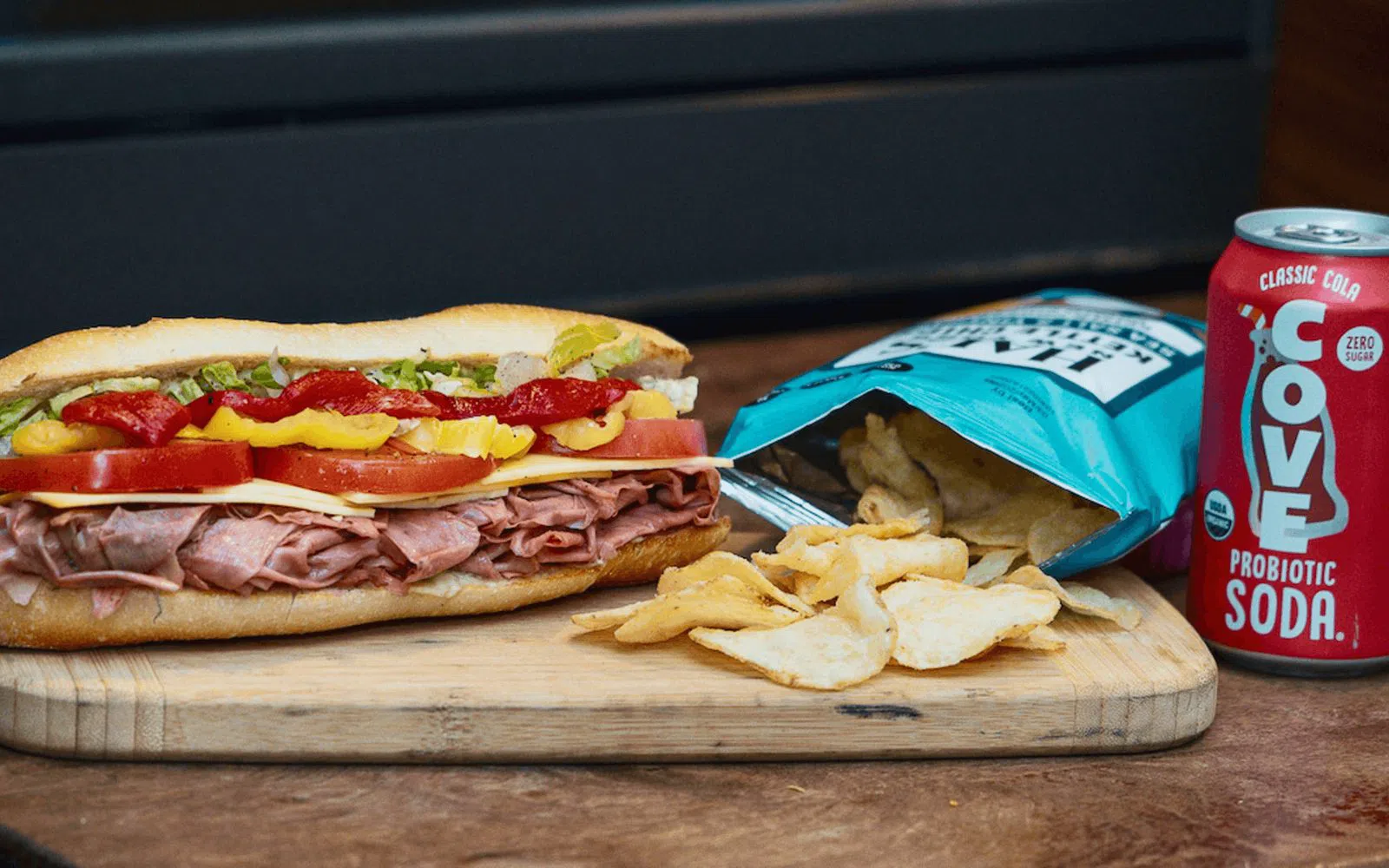
Round the downtown loop on the Lower East Side at Orchard Grocer, which I include deliberately, because a guide that only feeds meat-eaters is only doing half its job. This is the plant-based answer to the bodega sandwich — a small grab-and-go deli, open 9am to 8pm, turning out vegan sandwiches in the $12–15 range that stand up on their own terms rather than as substitutes. It is pricier than the classic counters, and there is no real seating, so treat it as takeaway. But for a vegan or vegetarian traveller who has spent the day watching everyone else eat chopped cheese, it is a genuinely good stop and not a consolation prize.
Bodegas as cultural destinations
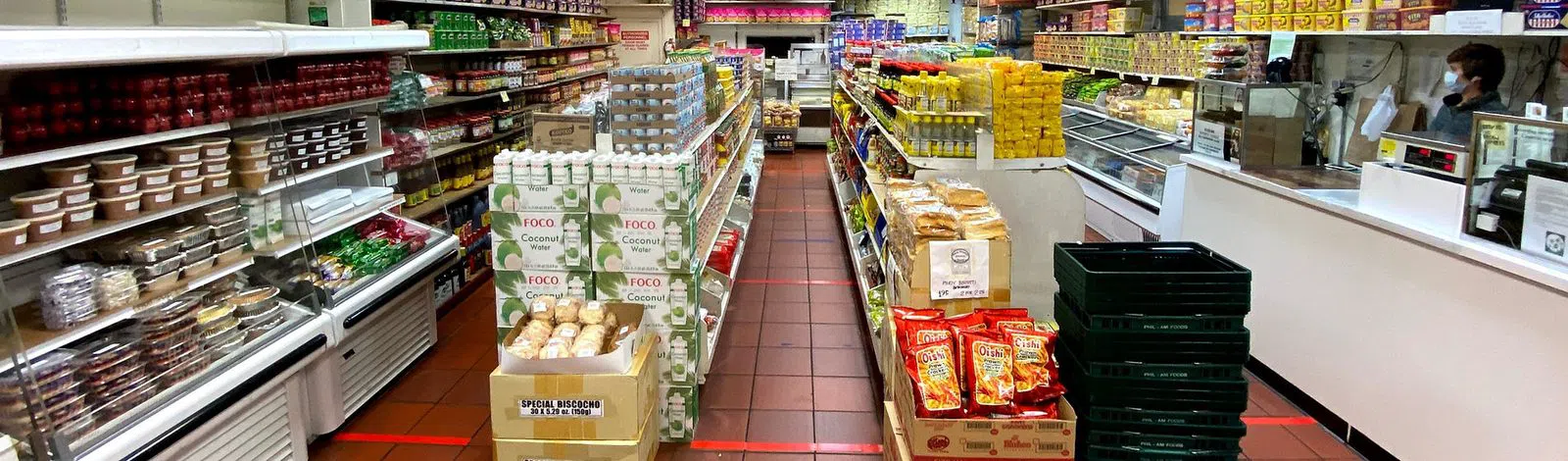
Some of these shops are worth the subway ride not for a hot sandwich but for what they represent — grocery stores that anchor whole communities, and that tell an international visitor more about how New York actually works than any landmark. In Woodside, Queens — the stretch known as Little Manila — Phil-Am Food Mart is the city's oldest Filipino grocery, trading since 1976. It is a small grocery-and-counter operation, walk-in, and a group can browse happily so long as everyone accepts it is tight; note that it closes on Wednesdays, which catches visitors out. Come here not for a quick handheld but to stand in a shop that has been a cultural home for half a century, to pick up things you won't find elsewhere in the city, and to understand a neighbourhood most guidebooks never send you to.
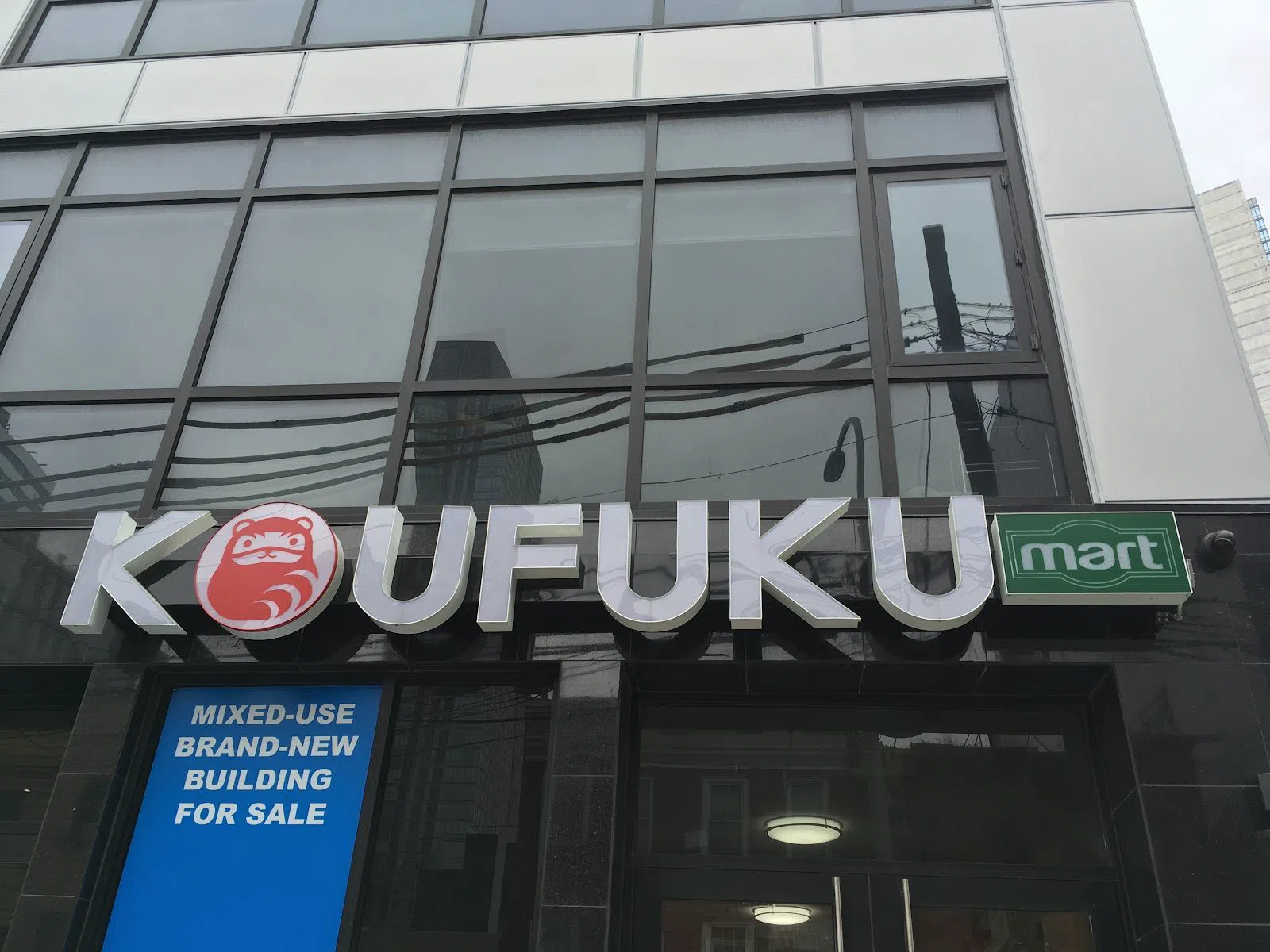
A little further into Queens, in Long Island City, Koufuku Mart is the "Asian snack run" bodega — a walk-in convenience store open until 10pm, easy for a group to pile into and browse. There is no grill theatre here and that is the charm; it is a low-key, genuinely fun stop for visitors who would rather graze imported Japanese and Asian treats, fill a basket with things they can't name, and eat them slowly than queue for a sandwich. Pair it with an afternoon in LIC and you have a gentle, grazing counterpoint to the griddle stops.
Brooklyn, and the case for going late
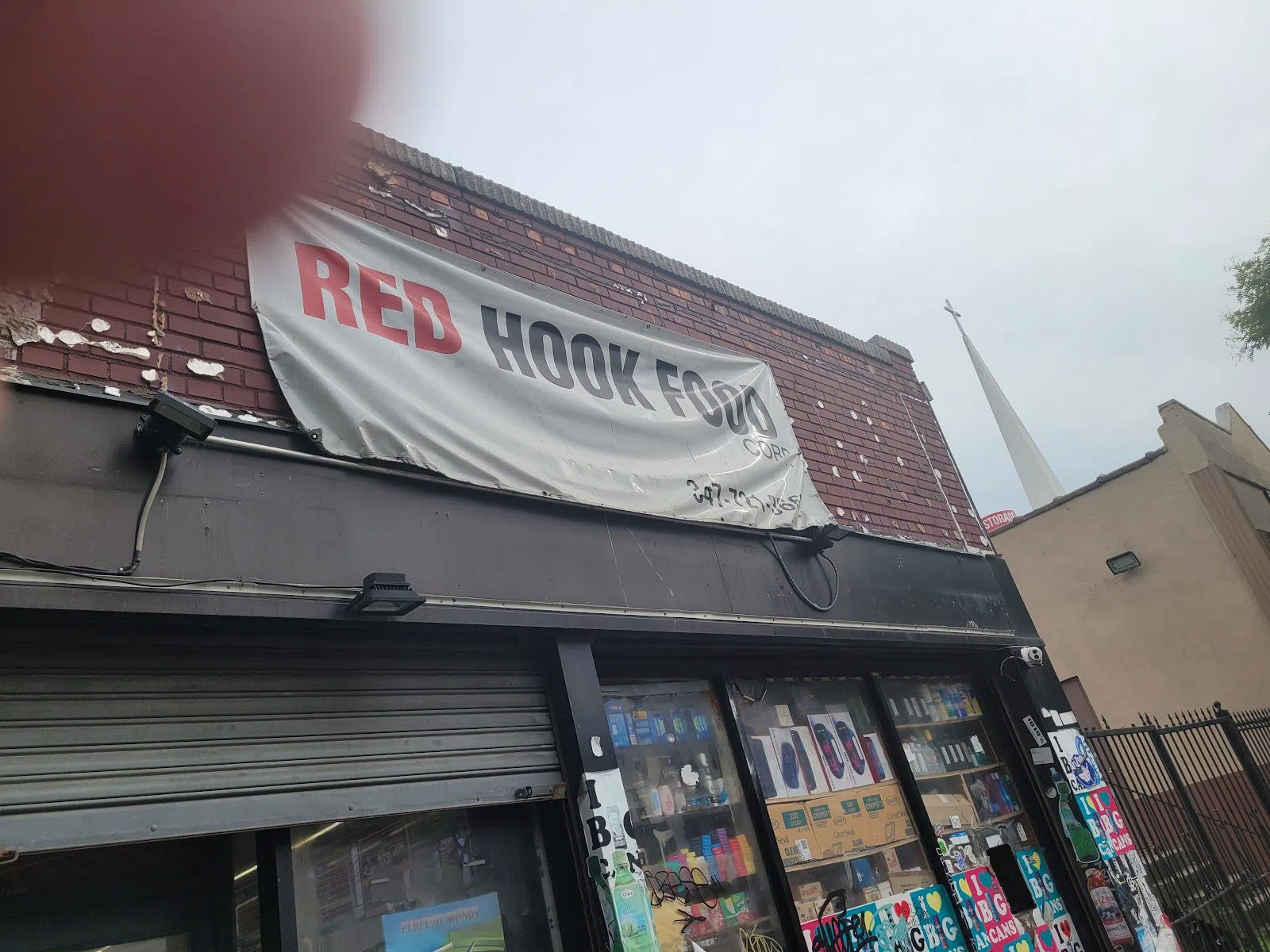
Brooklyn is where the bodega's after-dark identity comes into its own. The headline act is in Red Hook: Red Hook Food Corp, better known by the name of the man who made it famous, General Ock. This is the "Ocky Way" phenomenon in the flesh — a viral sandwich counter that draws pilgrims from around the world, which is precisely why it earns a place in a guide for an international audience. It's a walk-in counter, open 8am to 9pm daily, building custom sandwiches whose prices vary with whatever you talk yourself into. Here is the honest part, because you deserve it before you make the trip: the shop is tiny, the queue is long, and it is theatre as much as food — the performance is the product, and the sandwiches, while good, are only part of why people film themselves eating them. General Ock will happily perform for a group, but manage your expectations and your patience. Go because you want to witness a genuine internet-age New York phenomenon, not because you're merely hungry; if it's dinner you need without the wait, look elsewhere on this list.
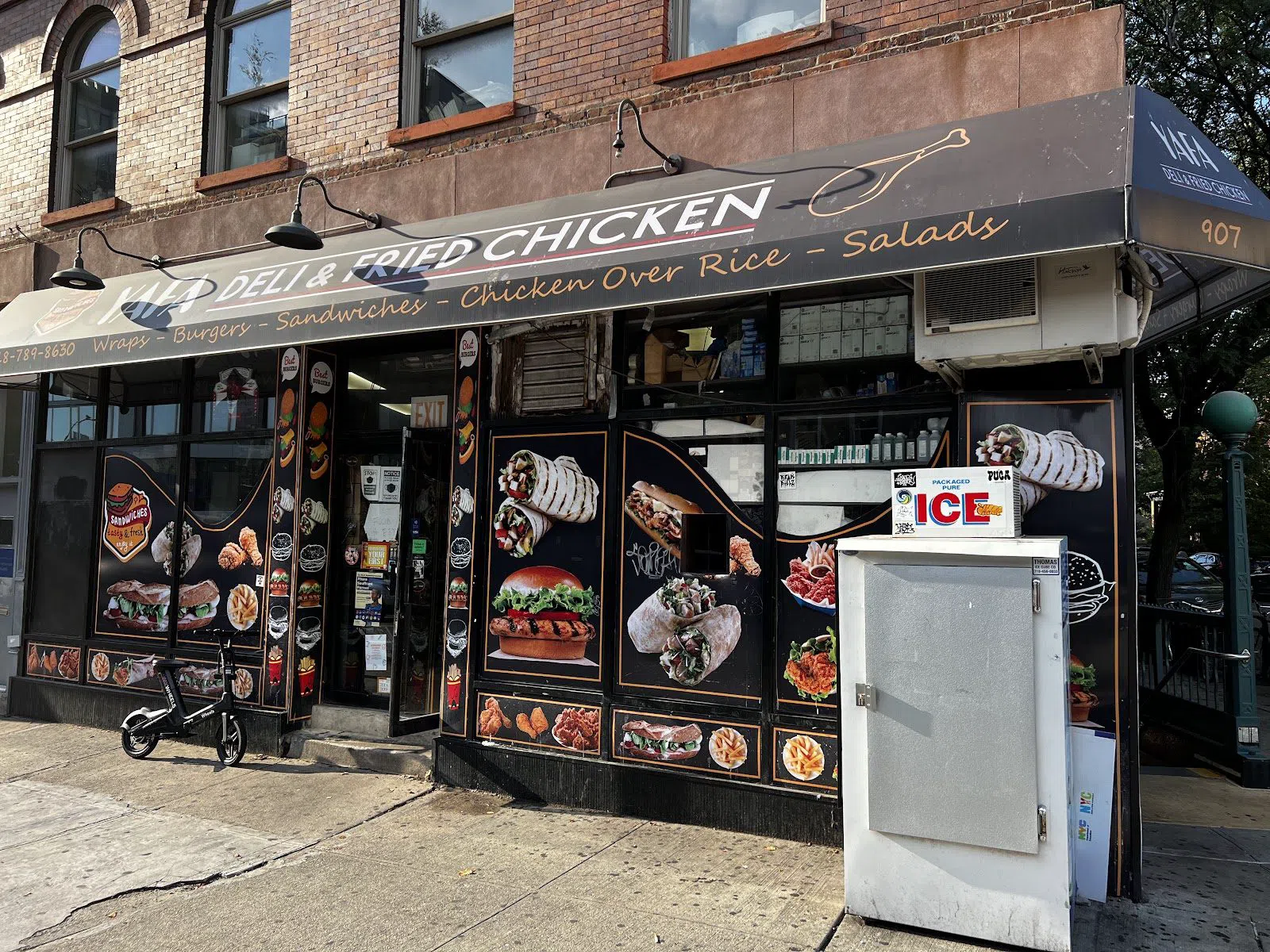
For that, cross to Fort Greene and Yafa Deli and Grocery, a Yemeni-owned neighbourhood staple that is open 24 hours and beloved locally for its fried chicken. This is the anti-viral bodega — no queue of cameras, just a solid all-hours counter that is exactly what you want after a night at BAM or a late show, when a group needs feeding at an hour when tourist New York has gone dark. It is the kind of place a neighbourhood keeps to itself, and stepping into it at midnight tells you more about the real city than any rooftop bar. Order the fried chicken.
Finally, for the morning after, Jasleen Deli in Brooklyn does the single most important sandwich in the New York canon: the bacon, egg and cheese, consistently ranked among the borough's best. This is the quintessential city breakfast handheld — a BEC on a roll for a few dollars, griddled to order at a walk-in counter. It's built for takeaway, and it's entirely reasonable to order a stack of them for a group to carry off and eat on the move. There is no ceremony to it, and there shouldn't be; the BEC is a working breakfast, and Jasleen does the working version better than most sit-down kitchens manage the fancy one.
Practicalities: how to actually do this
Getting around. These counters are scattered across three boroughs, so let the subway set your pace rather than trying to hit them all in a day. East Harlem, the East Village and the Lower East Side cluster tightly enough to walk between; Woodside and Long Island City are a straightforward ride into Queens; Red Hook, Fort Greene and the Brooklyn stops each want their own half-day. Pick a neighbourhood, not a checklist.
Cash. Carry some. Punjabi Grocery & Deli is cash only, and several of the smaller counters run more smoothly on notes than cards even when they take both. A few small bills will never go to waste at a bodega.
Timing. Breakfast handhelds are a morning move (Jasleen); the grill stops are best when you're properly hungry and don't mind eating standing up; Phil-Am closes on Wednesdays; and the late-night play is Yafa's 24 hours or Red Hook's counter until 9pm. If you want the Ocky Way with any hope of a shorter queue, go early and on a weekday.
Budget. This is the cheapest serious eating in the city. A chopped cheese runs about $8.50, tamales $2, vegetarian plates a few dollars, sandwiches mostly $10–15 at the pricier end. You could eat across this entire guide for less than the cost of one tasting menu — which is, in the end, the whole argument for the bodega.
A word on suitability. Almost none of these places seat you. They are counters, not restaurants, and that is the point. Couples and small groups do best; large groups should think in terms of ordering, collecting and decamping to a park or a stretch of pavement. Eat standing up, eat with your hands, and you'll have understood something about New York that no reservation ever teaches.
Before you go
What exactly is a bodega, and how is it different from a deli?
In New York the terms blur. A bodega is a corner grocery that usually also runs a grill or a kitchen counter, often family-owned and open long or all-day hours. Many are called "deli & grocery" on the sign — the distinction is less about the name than whether there's a griddle in the back, and at the places in this guide there usually is.
Where should I go for the best chopped cheese?
Blue Sky Deli — known as Hajji's — in East Harlem is widely cited as a birthplace of the chopped cheese and is the classic first-timer stop, at around $8.50. It's standing-room only, walk-in, no reservations, and you eat on the street.
Are New York bodegas good for vegetarians and vegans?
Yes, if you know where to go. Punjabi Grocery & Deli in the East Village is entirely vegetarian with plates for a few dollars, and Orchard Grocer on the Lower East Side is a fully vegan deli with sandwiches around $12–15. Both are takeaway-focused with little or no seating.
Is the viral General Ock sandwich spot worth the trip?
Red Hook Food Corp is a genuine internet-age New York phenomenon and draws visitors worldwide, but it's theatre as much as food — the shop is tiny and the queue is long. Go for the experience, not just for dinner; if you only want a great sandwich without the wait, choose one of the other counters.
Do I need cash at New York bodegas?
Bring some. Punjabi Grocery & Deli is cash only, and several smaller counters run more smoothly on notes even where cards are accepted. A few small bills will always be useful.