The New York issue
Riding the Staten Island Ferry Before New York Wakes Up
The free 25-minute commuter boat out of Whitehall gives you the harbour, the skyline and the Statue of Liberty with almost nobody on deck. Here is how to time it and what to do when you land.

By Femi AdeyemiWalk one more block than the map tells you to
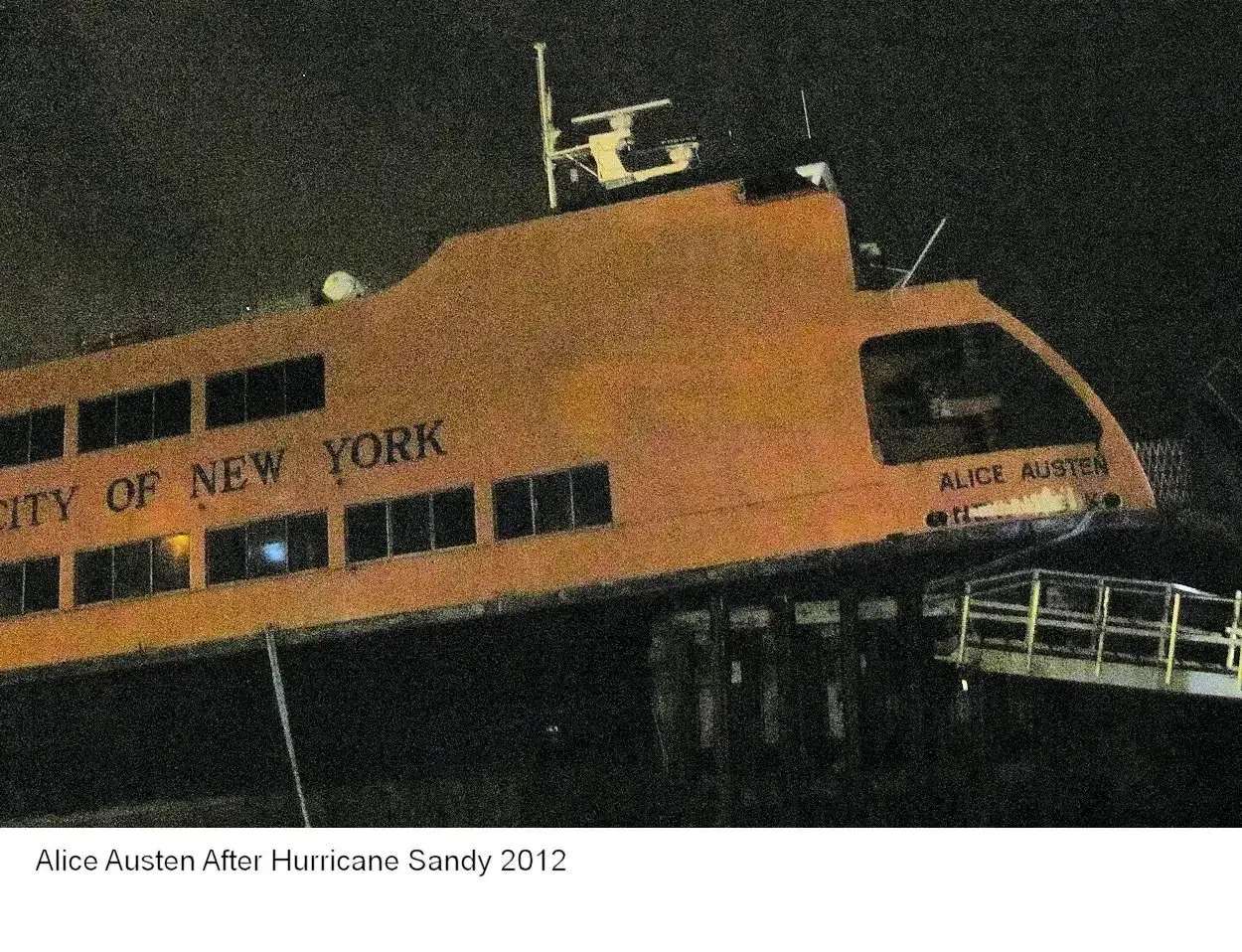
The first boat out of Whitehall on a winter weekday smells of diesel, wet steel and other people's coffee, and for the first ten minutes almost nobody on board looks up. Then the terminal lights fall away, the harbour opens out, and the Statue of Liberty slides down the starboard rail in a low copper light you cannot buy a ticket for. This is the same twenty-five-minute crossing that tens of thousands of people take to work every morning, and at dawn it is the best free thing in New York.
The crossing is a working commuter route
The Staten Island Ferry (NYC DOT, running between Lower Manhattan and St. George on Staten Island) has carried passengers across Upper New York Bay in some form since the early nineteenth century, when Cornelius Vanderbilt ran a private line across the same water. The city took the route over in 1905, and the fare, a nickel for most of the twentieth century and fifty cents by the end of it, disappeared entirely in 1997. What is left is an oddity: a municipal transport service, funded and timetabled like a bus route, that happens to run straight past the most photographed statue on earth.
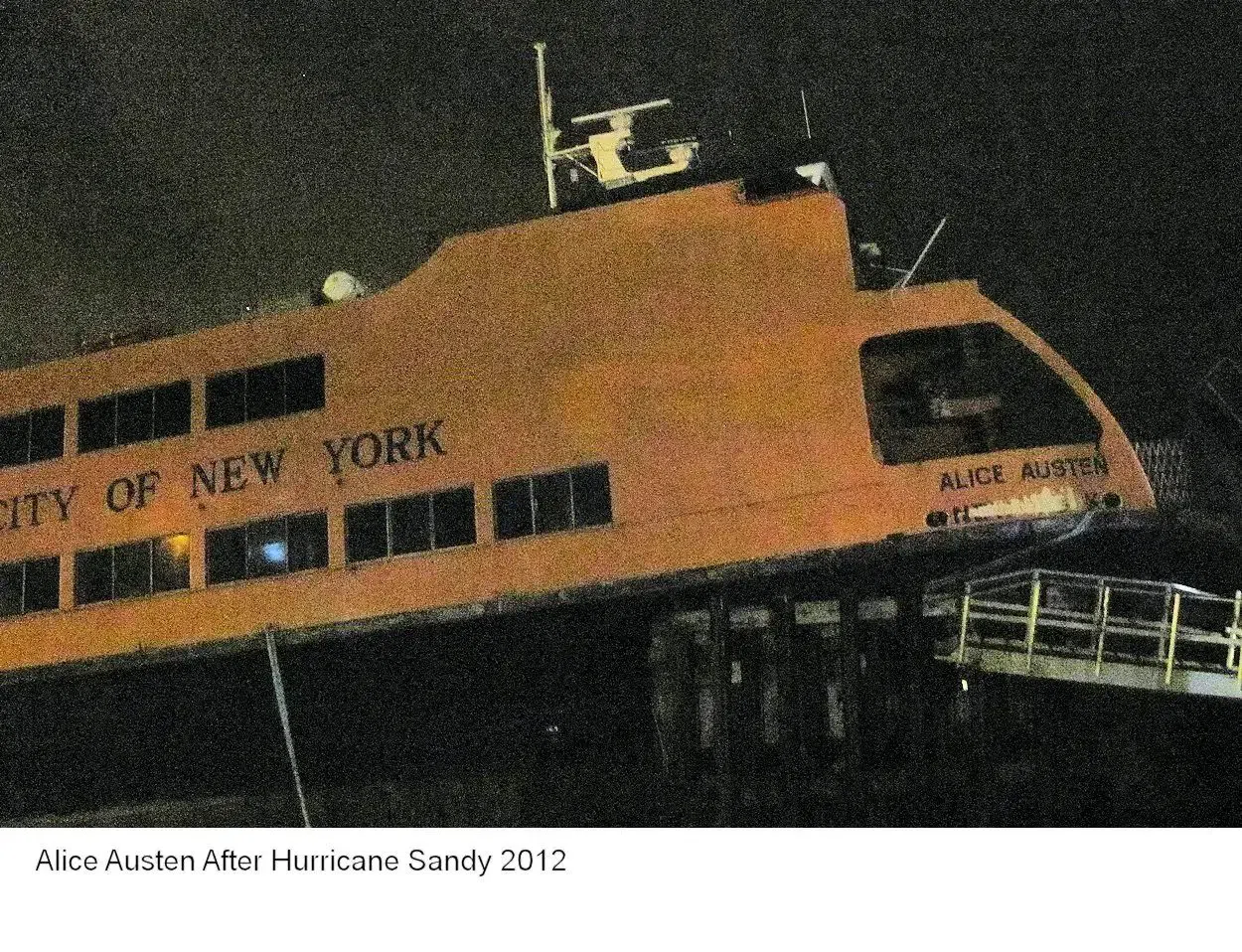
There is no ticket, no booking, no headcount and no seat allocation. You walk on. The boats take around 4,500 people, so a coach party of forty is a rounding error and a couple travelling alone will find a rail to themselves at 6am. The crossing is scheduled at twenty-five minutes and departures run every fifteen to twenty minutes through the 6:00am to 9:30am rush, thinning to half-hourly and then hourly deep in the night. It runs twenty-four hours a day, every day, which is why a dawn crossing costs nothing but an alarm clock.
The one rule that catches visitors out is the turnaround. You cannot stay on the boat. Everybody disembarks at each end, walks out through the terminal and re-enters the waiting hall to board the next sailing back. It takes five to ten minutes and it is not negotiable, so if you are moving as a group, agree a meeting point in the hall before the gates open rather than trying to hold a line through the doors.
Plan your New York trip
Live prices from our booking partners.
Free cancellation on many rooms. We may earn a commission when you book.
Timing the boat to the sunrise
The whole trick is arithmetic. Look up the sunrise time for your date (in New York it swings from around 5:25am in late June to about 7:15am in mid-December, with the shoulder months landing near 6:30am) and take the boat that leaves roughly twenty to thirty minutes before it. That puts you mid-harbour, past Governors Island and level with Liberty Island, at the moment the light comes up behind the Verrazzano-Narrows Bridge and starts working along the Lower Manhattan towers behind you.
My honest preference is the shoulder seasons and winter. Midsummer means a 5am alarm for a sunrise so early that the terminal is still on night frequency, while a December crossing gives you a civilised 6:45am start, a properly empty deck and the low, raking light that makes the whole thing cinematic. Winter also means wind: the outer decks are exposed, the harbour is doing what harbours do, and a hat is not optional. Rain is the one thing that flattens the trip entirely, because the outdoor decks close in bad weather and you are left looking through salted glass.
Where to stand and where to eat first
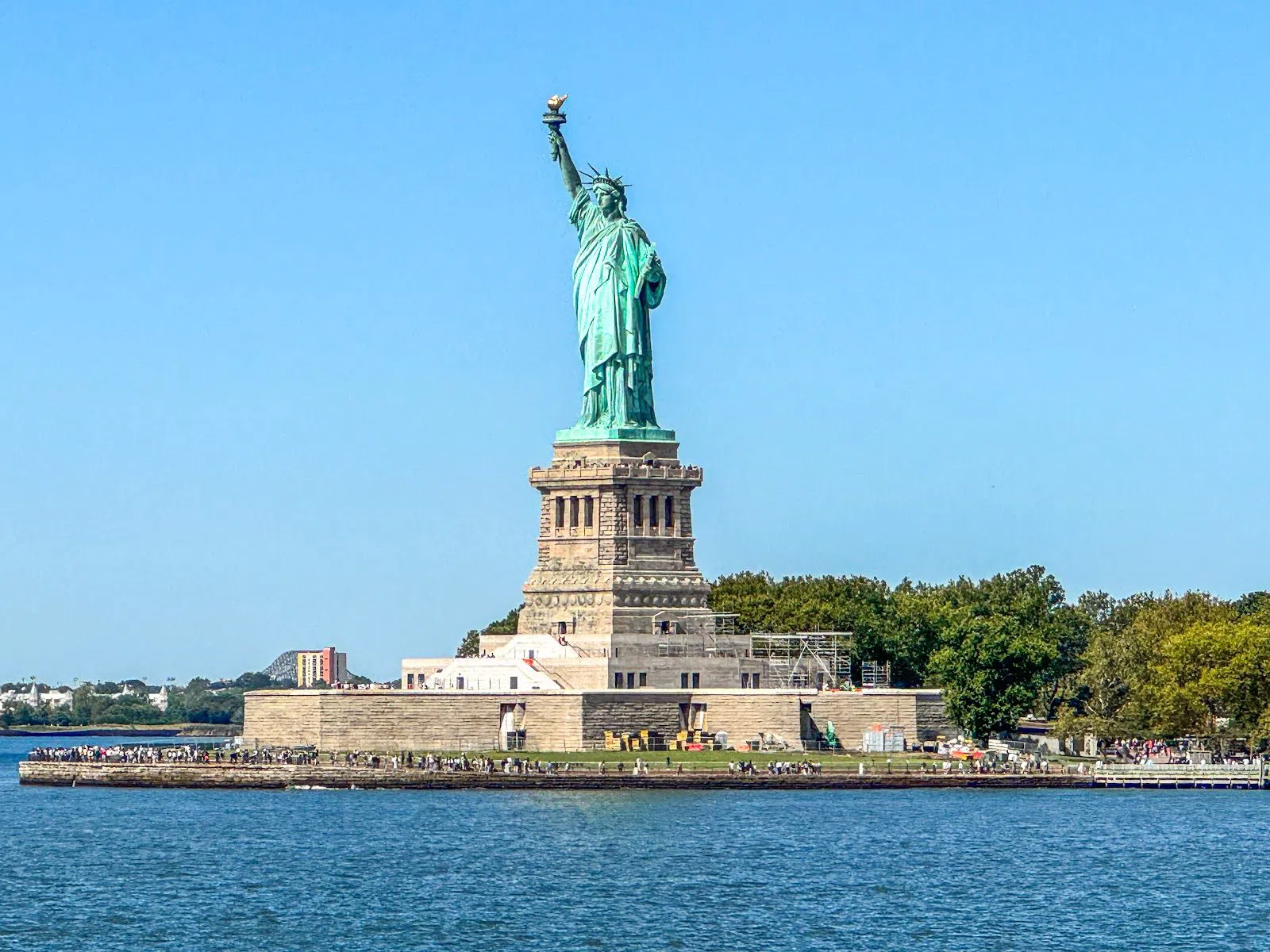
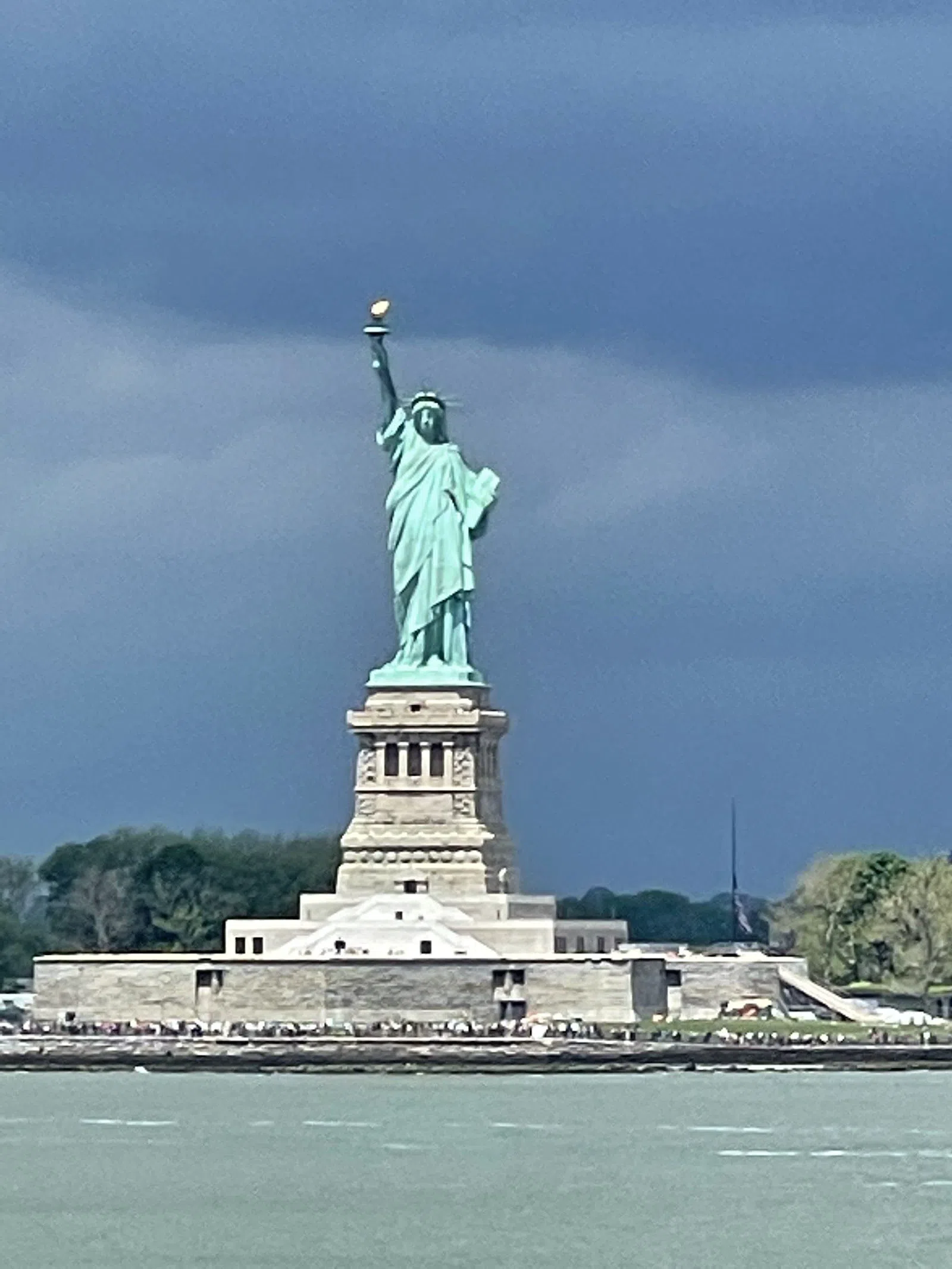
Heading south towards Staten Island, sit or stand on the starboard side, the right-hand rail as you face the bow. That is the Liberty side, and it is also the side that keeps Ellis Island and the Jersey shoreline in frame. Coming back north, the statue is on your port side, the left-hand rail, with the Financial District towers filling the bow view as you close on Manhattan. If you only get one good position, take the return leg: arriving into the city at sunrise with the skyline growing in front of you is the better of the two halves, and it is the reason to ride out early rather than late.
Board at Whitehall Terminal (South Ferry, Lower Manhattan), the Manhattan end and the correct place to start. The current building went up in 2005, replacing the terminal lost to a fire in 1991, and it is a big glass-fronted concourse with an open door policy and no security theatre to negotiate. Because the hall clears completely after each sailing, arriving fifteen minutes ahead is plenty and arriving forty is pointless.
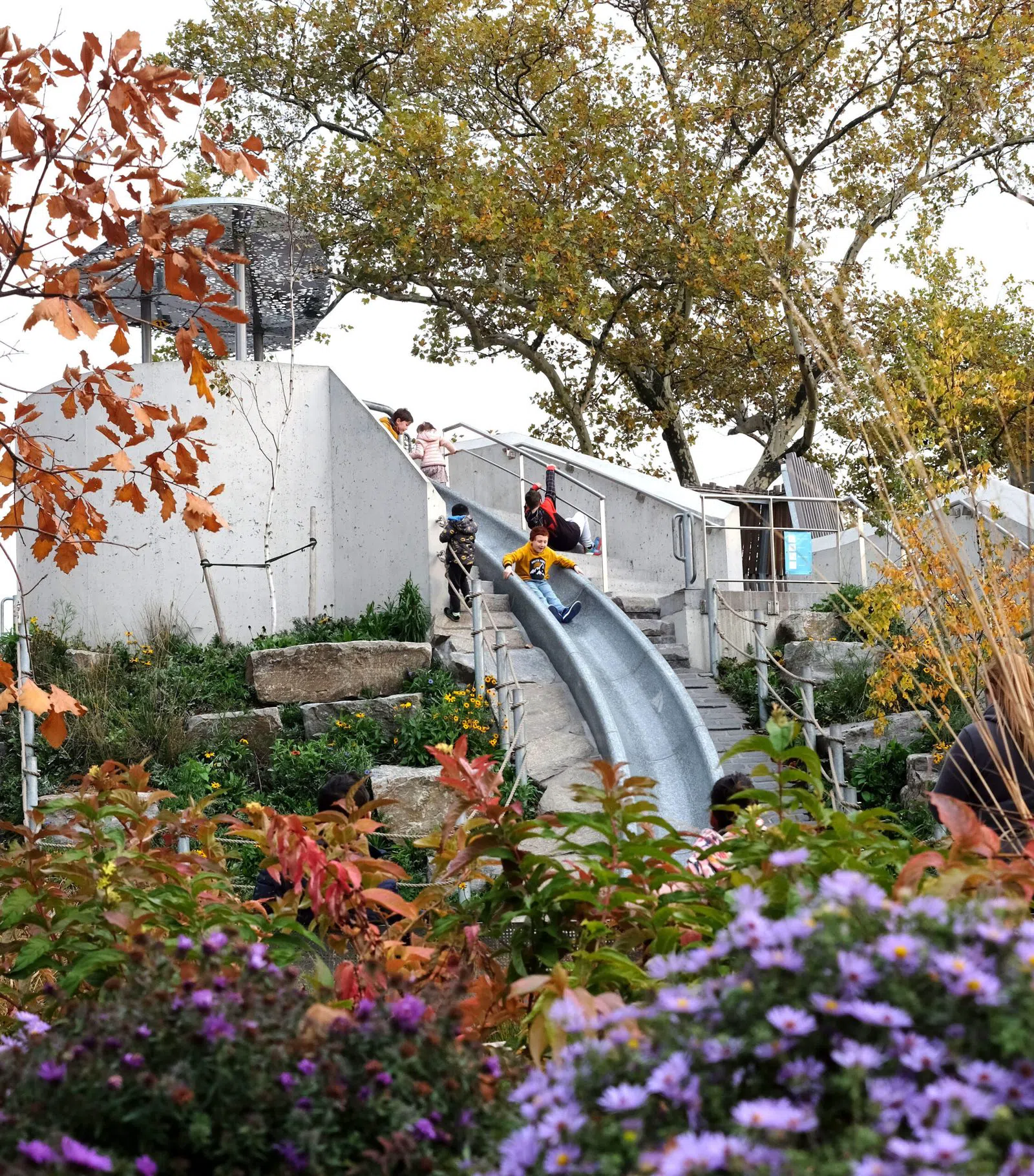
If you want to see the water before you are on it, walk The Battery (Lower Manhattan) first. The park opens at 6am daily and sits immediately next door to the terminal, so on all but the earliest midsummer sailings you can watch the harbour wake up from the water's edge (tugs working, gulls, the first Statue City Cruises staff setting up for a day that will not start for another four hours) and then step into Whitehall with ten minutes to spare.
For food, Leo's Bagels (Hanover Square, Financial District) opens at 6:00am on weekdays and is the earliest decent thing within a few minutes' walk of the gates. It is a small counter-service room built for grab-and-go, and a bagel and coffee comes in at roughly $6 to $12. Two people can duck in and out in five minutes. Six or more should order ahead, because the room cannot absorb a queue at that hour. There is nothing worth eating on the boat itself, so this is the decision point.

Landing at St. George and the memorial by the gates
St. George Terminal (St. George, Staten Island) is an unrestricted twenty-four-hour public building with the Staten Island Railway and a full bus depot inside it, which makes it a much better trailhead than most visitors realise. The mistake almost everybody makes is to walk out of one door and straight back into the other. Give yourself one sailing's worth of time on the island, twenty minutes and no more if you are pressed, and you get something the round-trippers never see.
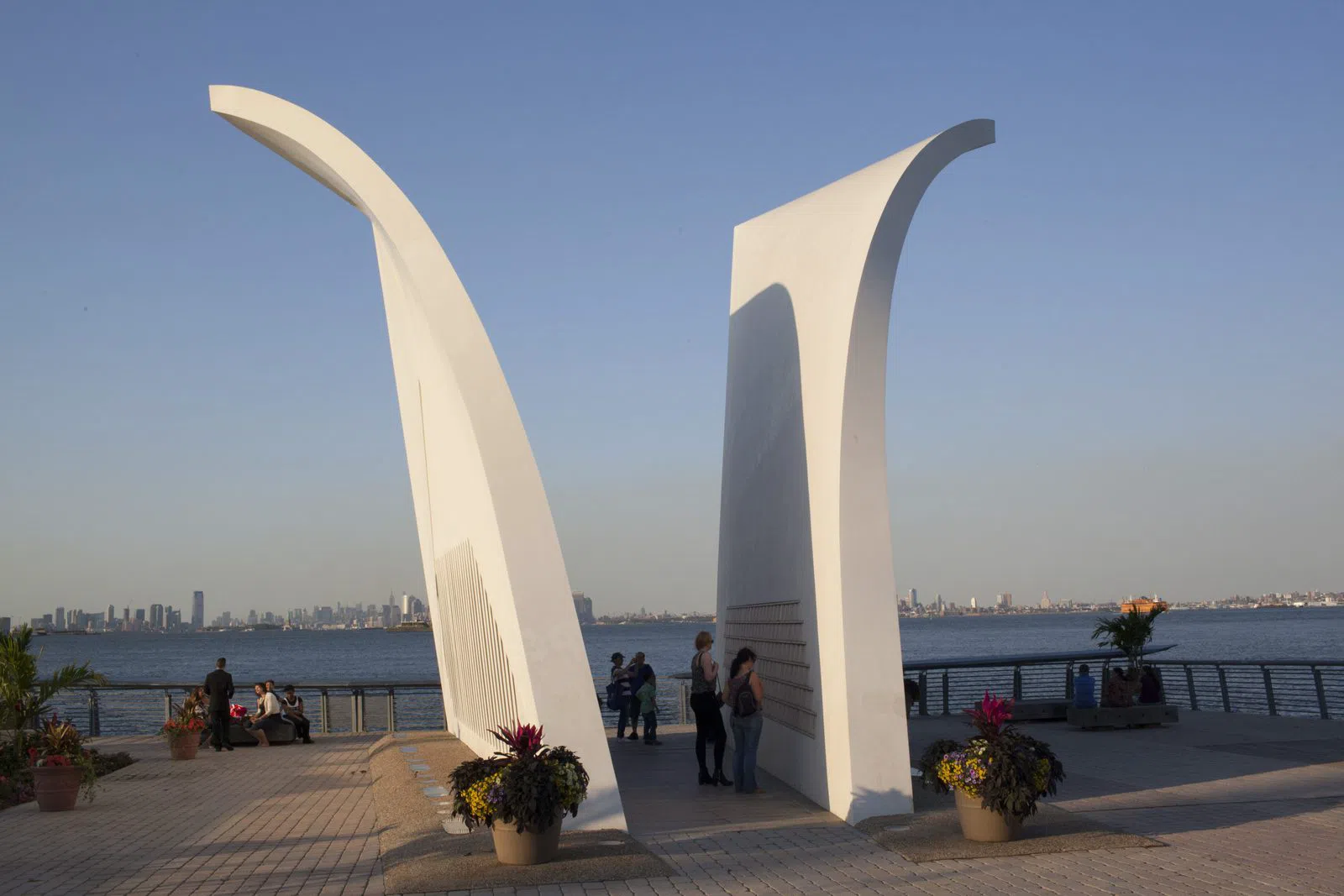
Start with Postcards: Staten Island September 11 Memorial (St. George), two minutes from the terminal gates on the waterfront esplanade. Masayuki Sono's 2004 sculpture is two white wing-like forms holding profile plaques of the 274 Staten Island residents who died, and it is aimed deliberately at the point on the skyline where the towers stood. At dawn the sun comes up behind Manhattan and lines up through the gap in the wings, which is the single best reason to walk left rather than right when you step off the boat. It is open-air, unstaffed and accessible at any hour. It is also a place of mourning, and groups should treat it as one: quiet voices, no posed photographs, no drone.
What is worth the journey back, and what is not
Be realistic about opening hours. Almost nothing on Staten Island is awake at 7am, which means the rest of the borough is either a same-day return trip or a reason to make the crossing twice.
Empire Outlets (St. George) sits directly beside the ferry gates, and it is not part of a dawn run. It opens at 10am Monday to Saturday and 11am on Sunday, and tenancy has been patchy since it opened, with visible vacancies alongside the trading units. The harbour-facing terraces are pleasant and it costs nothing to walk through, so if you are on the island in the middle of the day it is a reasonable place to sit with a coffee and look back at Manhattan. Coming back specially is not warranted.


The National Lighthouse Museum (St. George) is a better use of a return trip. It occupies part of the old Lighthouse Depot, the site where the federal government built, maintained and supplied the lights of the whole eastern seaboard for over a century, and admission is a low single-digit sum. It opens late morning, so treat it as the reward for staying rather than a sunrise stop. Group tours run by appointment on 718-390-0040, and from May to October the museum runs seasonal lighthouse boat tours which are the only straightforward way to see the harbour's working lights up close.
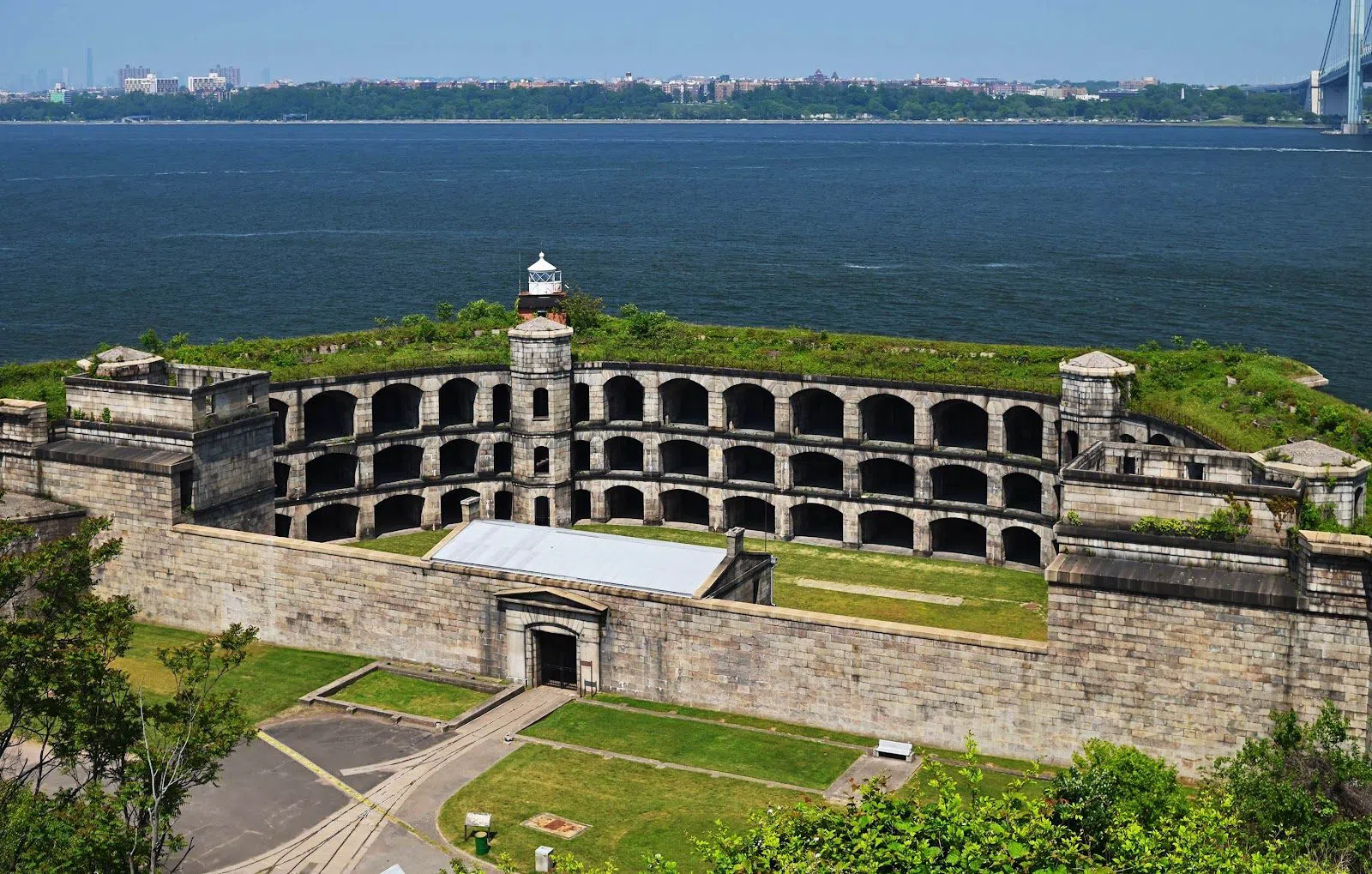
Fort Wadsworth (Fort Wadsworth, Staten Island), part of Gateway National Recreation Area, is the other half of the harbour story and my pick if you only add one thing. Fortifications have stood on this bluff since the Dutch period, and the reason is directly under your feet on the ferry: the Narrows is the choke point every vessel entering New York must pass, your boat included. The Fort Tompkins overlook gives the best land view of that gateway anywhere, with the Verrazzano-Narrows Bridge overhead. It is free, open daylight hours, and fine for a group on the overlook. The interior of Battery Weed, the granite water-level fort below, opens only on scheduled open-house afternoons between May and August.
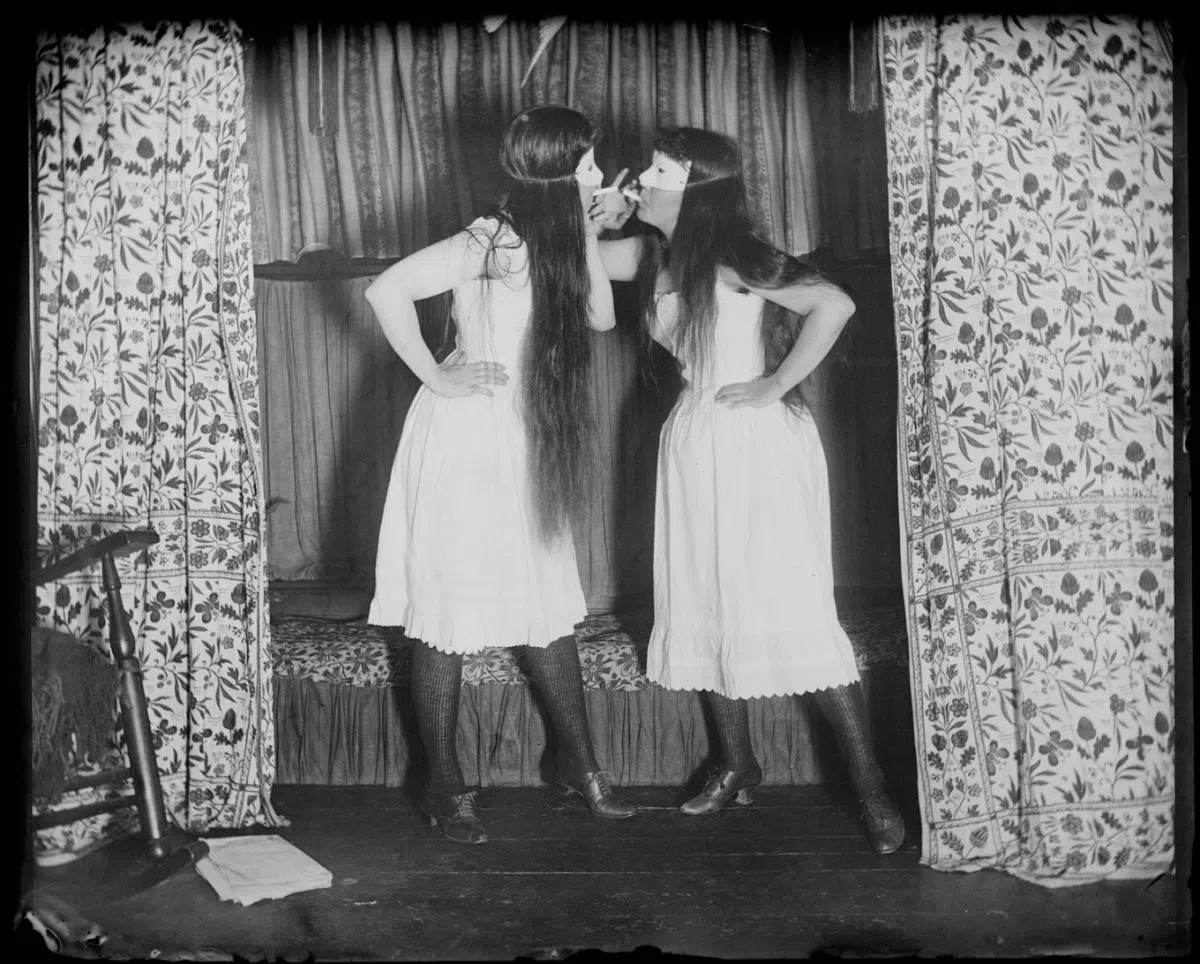
Alice Austen House (Rosebank) is a fifteen-minute bus ride from the terminal and a quieter proposition: the cottage home of Alice Austen, one of America's first significant female documentary photographers, and a National Historic Landmark recognised for its LGBTQ history. Guided tours run on the hour, Tuesday to Sunday, 11am to 5pm, for a modest admission, and the grounds are free. The lawn gives you the head-on Narrows view the ferry passes too quickly to offer. The rooms are small, so book group tours ahead through the museum; couples can turn up.
Snug Harbor Cultural Center & Botanical Garden (Livingston) is two miles west of the terminal on the S40 bus and the borough's cultural heart: a Greek Revival campus built from 1833 as a retirement home for merchant sailors, now gardens, galleries and the Staten Island Museum, which runs Wednesday to Sunday, 11am to 5pm. The grounds are free and open dawn to dusk; the Chinese Scholar's Garden and the museum carry a small charge. One caveat worth knowing before you plan a route across the site: partial Chapel Road closures run on weekdays from August 2026 into mid-2027.

Bookends for the same day
If the dawn ride has sold you on the crossing, the strongest move is to do it again after dark, because the return leg at night is a different piece of theatre entirely.
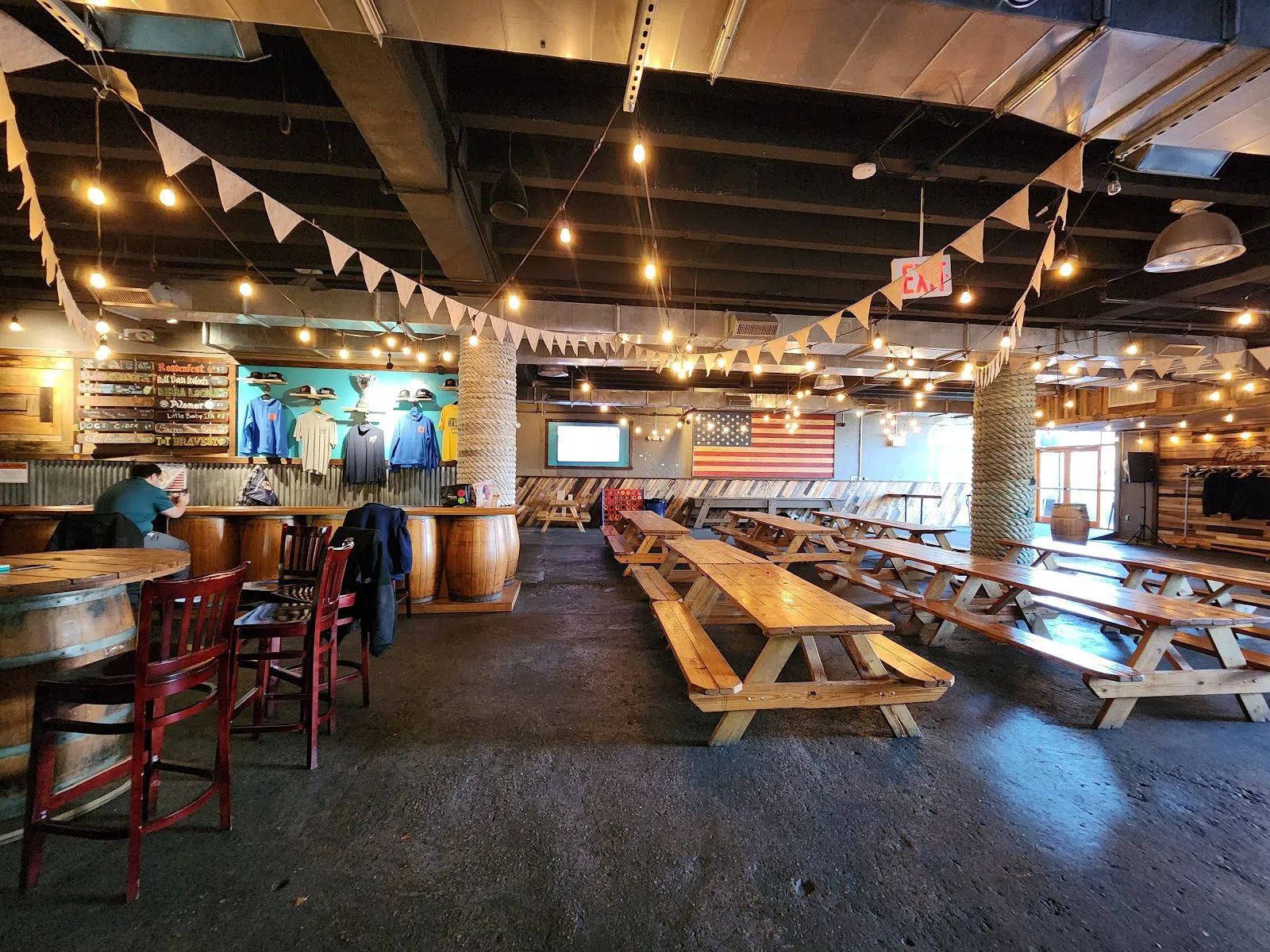
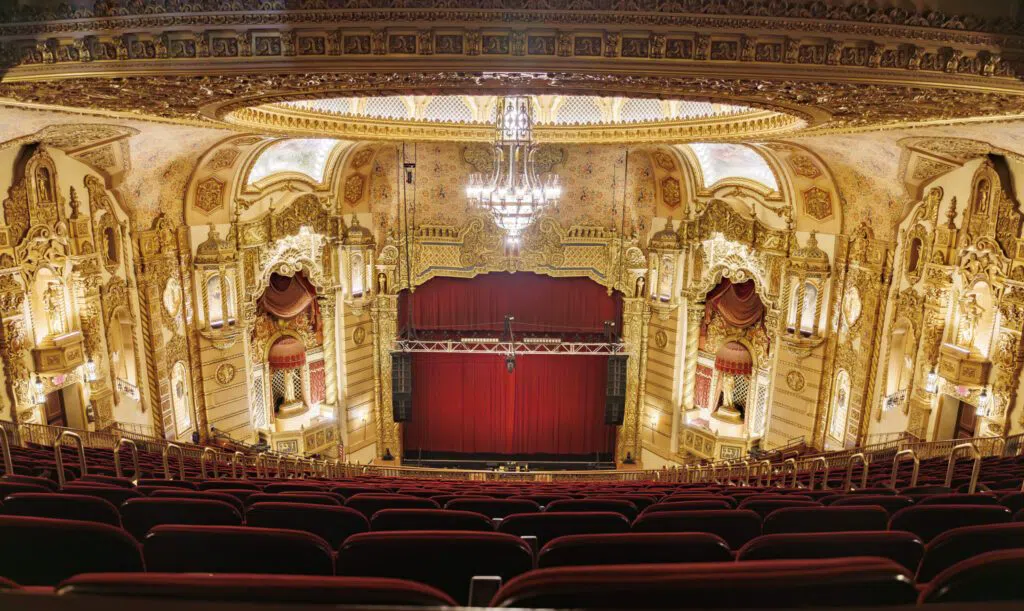
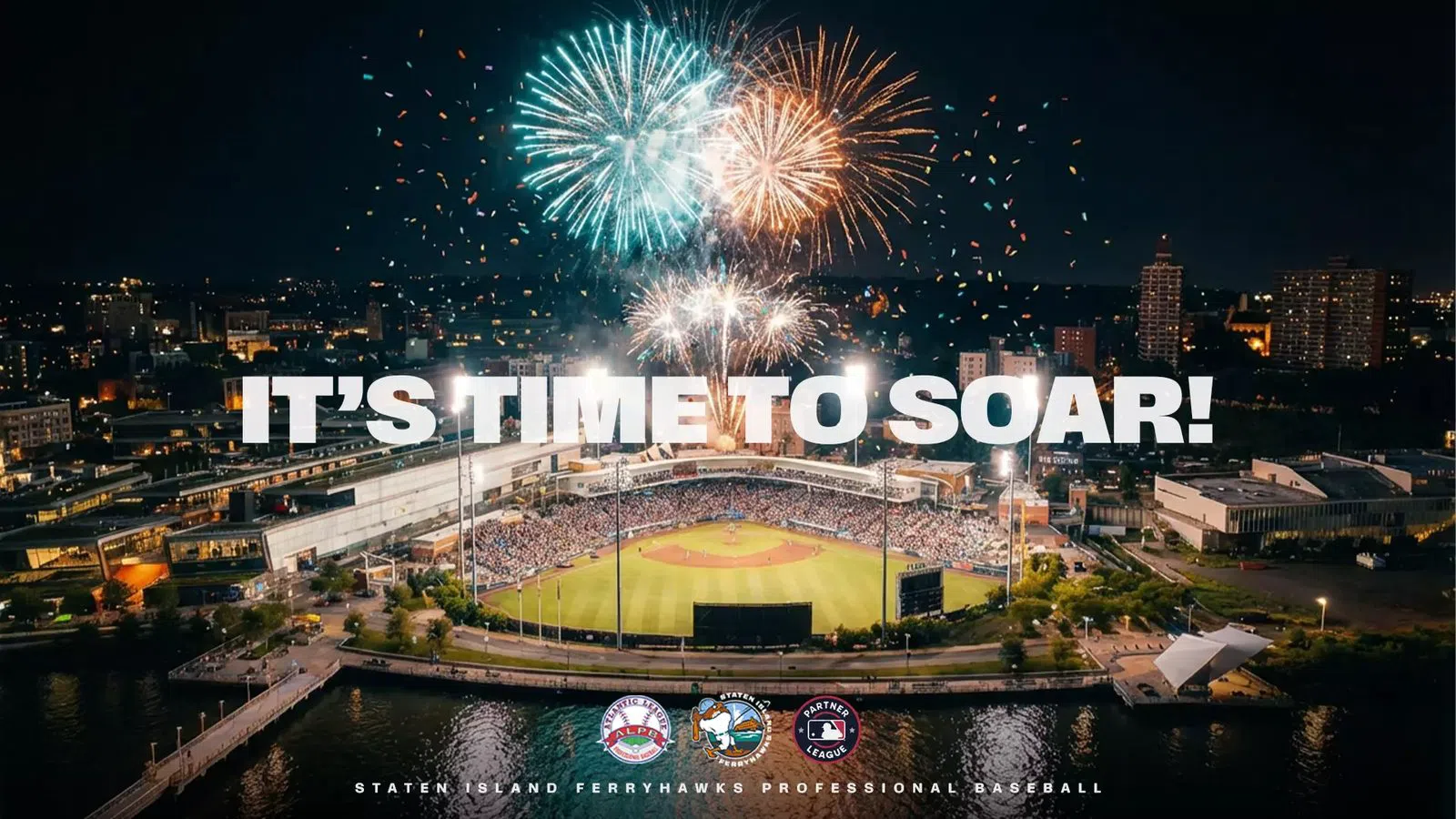
St. George Theatre (St. George), three blocks uphill from the ferry, is a restored 1929 movie palace with 2,800 seats, running national touring acts, comedy and a big-screen classic film series. Tickets run roughly $30 to $90 depending on the show, and the box office handles group bookings without fuss, because a house that size swallows a party of thirty. SIUH Community Park (St. George) is five minutes from the terminal, home of the Staten Island FerryHawks of the Atlantic League, and has a fair claim to the best skyline view from any seat in American baseball; tickets typically run $15 to $35, and group blocks and party areas are core business for the club rather than a favour. Flagship Brewing Company (Tompkinsville) is ten minutes' walk south of the terminal and the closest thing the island has to a default meeting point, with long communal tables and an outdoor area built for exactly that. Pints are around $7 to $10, children are welcome before 9pm, and it opens Wednesday from 5pm, Thursday to Saturday from noon to midnight and Sunday noon to 8pm. It is closed Mondays and Tuesdays, which has ruined more than one plan.
The paid boats and when they earn their fare
Two alternatives are worth knowing, and neither replaces the free ride.

NYC Ferry — St. George route (St. George to Lower Manhattan and beyond) is a separate commuter operator at $4.00 one-way for an adult. It is walk-on with no reservations and an open sundeck that absorbs groups, though peak commuter sailings do fill. Its value is geographic: it reaches West Side and Brooklyn landings the free ferry does not, and the first weekday departure is 6:21am, which makes it a real second dawn option if you want a different line across the same water.
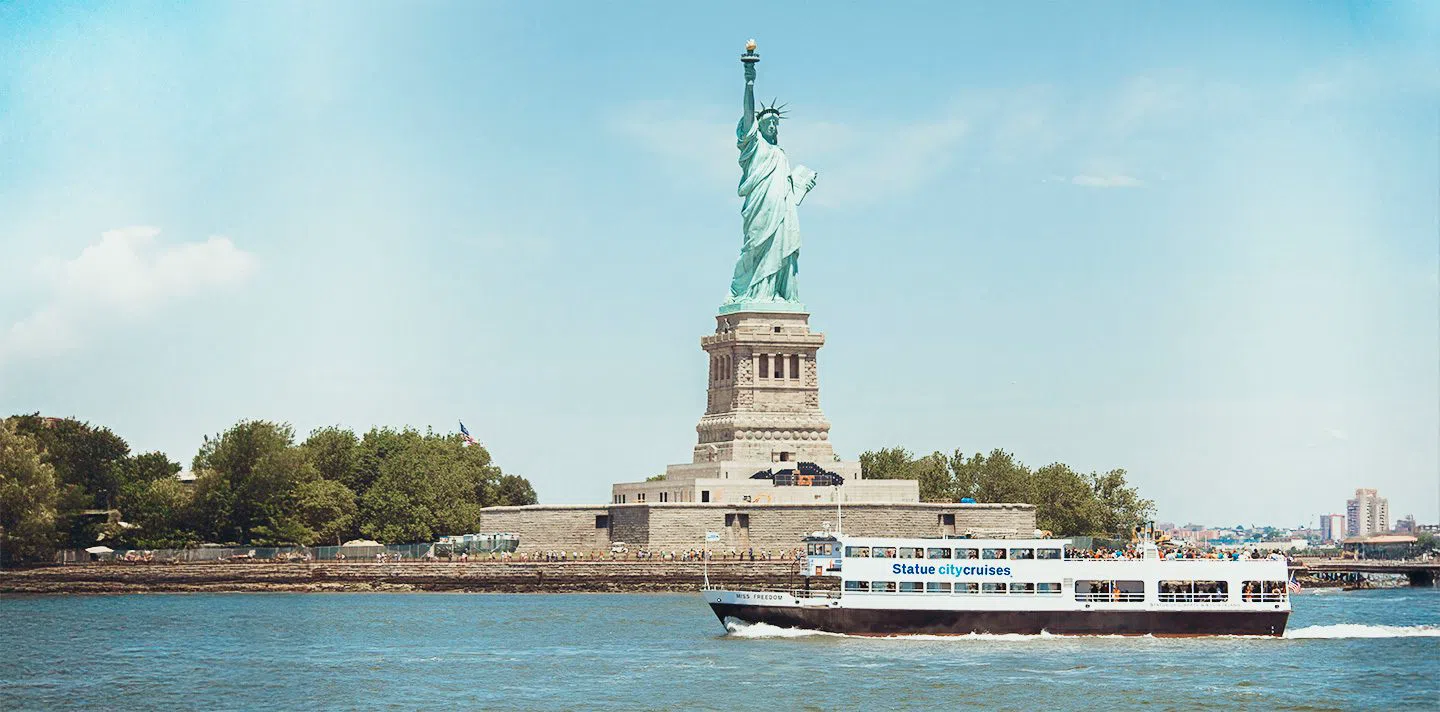
Statue City Cruises (departing The Battery) is the honest counterweight. It is the sole authorised operator to Liberty and Ellis Islands, so if the point of your morning is to actually stand under the statue rather than pass it, this is the only legal way to do it, at roughly $25 to $32 for an adult including Ellis Island, with pedestal and crown tickets costing more and selling out weeks ahead. Timed-entry tickets are essential in summer and group and school bookings are handled directly. What it will never give you is an empty deck at first light; the queues build from mid-morning and the boats are full of people doing the same thing you are.
Practical notes for a dawn run
Whitehall Terminal is served by the 1 train to South Ferry and the R and W to Whitehall Street, with the 4 and 5 to Bowling Green a three-minute walk away. Overnight and very early service is thinner than the daytime timetable, so check your line before you rely on it; a cab or rideshare from anywhere in Lower Manhattan at 5:30am takes minutes and costs little.
The ferry is free and needs no ticket, card or app, so there is nothing to tap. Budget for breakfast and, if you are staying on the island, bus or railway fares from St. George, which run on the standard city fare and are contactless. Cash is essentially unnecessary anywhere in this itinerary.
Allow three hours door to door for the full round trip with the memorial included: fifteen minutes at Whitehall, twenty-five out, twenty on the island, twenty-five back. Add an hour if you are walking The Battery first or eating properly afterwards.
A couple can do the entire dawn crossing, memorial included, for the price of two bagels and two coffees, so call it $25. Adding Fort Wadsworth keeps it there. Adding the Lighthouse Museum, a ballgame or a theatre ticket is where real money starts.
Staying in the Financial District or the surrounding Lower Manhattan blocks makes the alarm survivable: you want a ten-minute walk to the gates, not a subway ride. Compare rates and locations through New York hotel search, and if you are building the rest of the trip around this morning, the wider New York guide covers the neighbourhoods either side of the terminal.
Do it once and the boat stops being a sight. It becomes what it is for everybody else on board: a way of getting to work, with the harbour thrown in for nothing.
Before you go
Is the Staten Island Ferry really free, and do I need a ticket?
It is genuinely free, with no ticket and no booking. The fare was abolished in 1997 and the boats are run by NYC DOT as a public transport service, so you walk straight on. Nobody counts heads, and there is no minimum or maximum group size; the vessels hold around 4,500 people.
What time should I catch the ferry to see the sunrise?
Check the sunrise time for your date and take the boat that leaves 20 to 30 minutes before it, so you are mid-harbour as the light comes up. Sunrise in New York runs from about 5:25am in late June to about 7:15am in mid-December. Boats run every 15 to 20 minutes through the 6:00 to 9:30am rush.
Can I stay on the boat and ride straight back to Manhattan?
No. Every passenger has to disembark at each terminal, walk out through the building and re-enter the waiting hall to board the next sailing. It takes five to ten minutes. Use the time to walk two minutes to the Postcards September 11 memorial rather than standing in the hall.
Which side of the ferry has the Statue of Liberty view?
Heading south from Whitehall to Staten Island, stand on the starboard side, the right-hand rail as you face the bow. On the return leg north the statue is on the port side, the left-hand rail, and the Lower Manhattan skyline sits ahead of you. The return at sunrise is the better of the two halves.
Is the free ferry a substitute for a Statue of Liberty tour?
Only for the view. The ferry passes Liberty Island but never stops, so to set foot on the island, or go up to the pedestal or crown, you need Statue City Cruises, the sole authorised operator, at roughly $25 to $32 for an adult including Ellis Island. Timed tickets are essential in summer and crown tickets sell out weeks ahead.