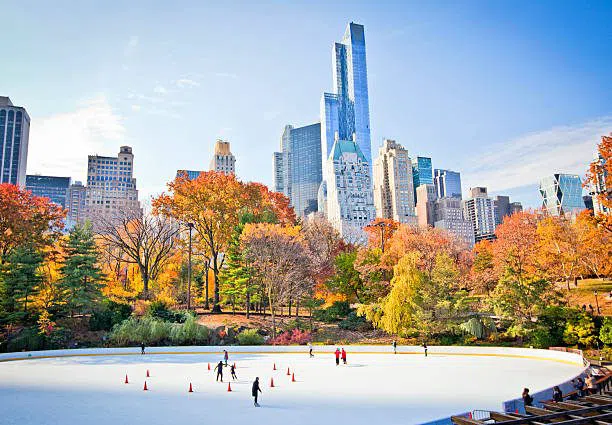

The mistake on a first trip to New York is rarely the choice of sights. It is choosing four of them in a single day, in four different parts of a long, thin island, and then spending the best hours of the afternoon underground travelling between them. The city is far more generous to anyone who picks one stretch of it, walks until that stretch runs out, and leaves the rest of the day unplanned.
The case for one part of town a day
Manhattan is roughly thirteen miles from bottom to top and, along most of its length, barely two miles across. That shape is the whole argument for how to plan. Crossing town on foot, east to west or back again, takes twenty unhurried minutes, and there is something worth looking at on every corner of it. Travelling up and down the island is the costly move: the southern tip to the top of the park is forty minutes on a good train and an hour on a bad one, and you will make that journey twice in a day if your morning ticket and your afternoon ticket sit at opposite ends of the map.
The practical version is simple. Give each day one anchor, add a second thing within walking distance of it, and stop there. The gap between the two is where a first trip actually happens: the hardware store that has outlasted the tower built over it, the queue outside a bakery nobody told you about, the hour on a bench you did not schedule. Everything below is grouped the way you would walk it, not the way a list would rank it.
Starting in the park, because the rest of the trip gets easier afterwards
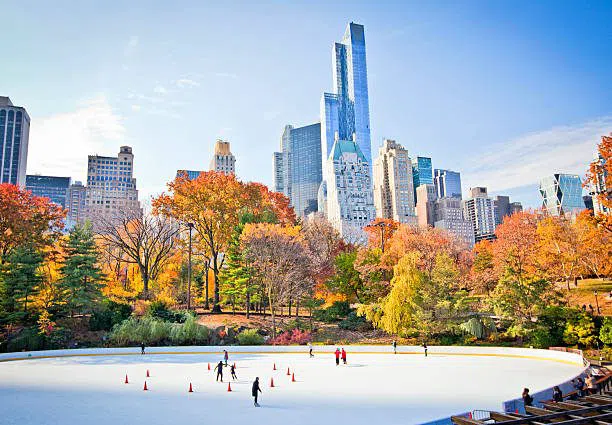
Central Park (running up the middle of the island from 59th Street to 110th) is 843 acres, free, unticketed and open 6am to 1am, with no door policy of any kind, so a group of twelve walks in exactly as easily as a couple does. Its value on a first trip is structural rather than scenic: you can enter at one gate and leave at another a mile north and a few hundred metres east, without ever retracing your steps or paying for the privilege. The Conservancy also runs official guided tours that booked groups can reserve, worth knowing if you are travelling with people who want the history rather than the stroll.
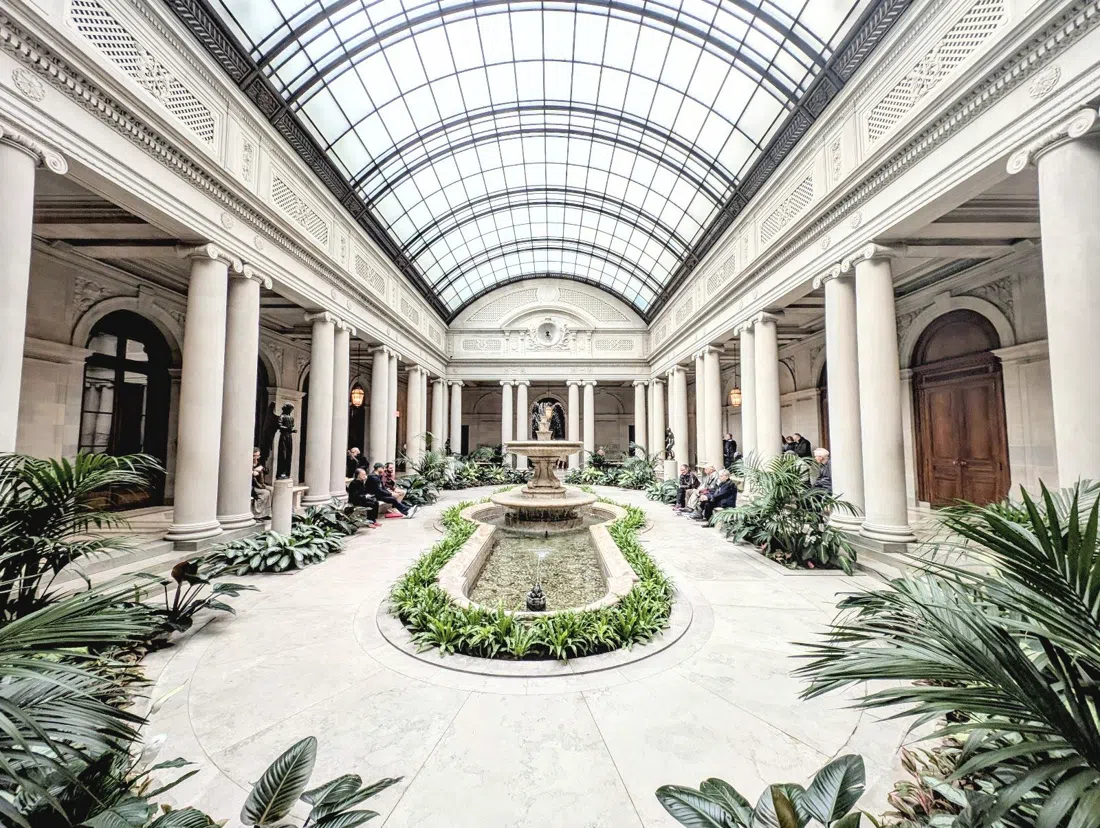
Pair the park with one small museum and you have a complete day on the east side. The Frick Collection (Upper East Side, on the park's eastern edge) reopened on 17 April 2025 after a $220m restoration that turned ten former family rooms on the second floor into galleries, around 25% more art on show, in a house you can still finish without your legs giving out. Admission is $30 for adults, $22 for seniors and $17 for students, and 10 to 18-year-olds go free. One hard rule catches people out: nobody under 10 is admitted, which rules the Frick out for families with small children. Groups of ten or more can reserve together with two weeks' notice, and private and guided tours are available.
A west side afternoon that needs no train at all
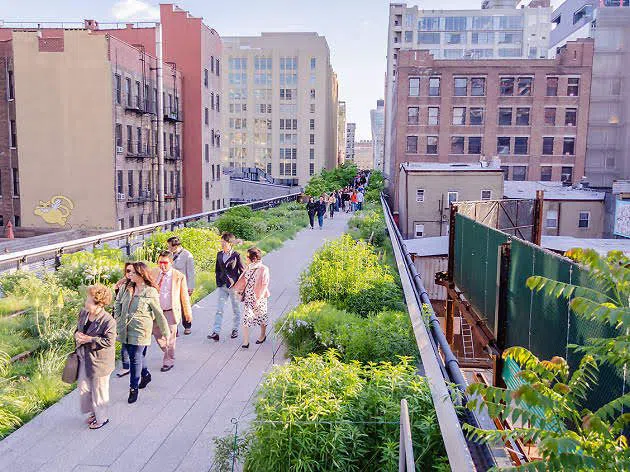
The High Line (Chelsea, running north from Gansevoort Street) is the rare converted railway that earns its reputation: 1.45 miles of planted deck above the street, free and unticketed. Since the Moynihan Connector opened in June 2023 it runs through to Moynihan Train Hall, so the walk links Chelsea to the Penn Station complex overground instead of underground, which helps on a day when you are heading out of town later. It opens 7am to 10pm from April to November and 7am to 8pm from December to March. Walk it early. The deck narrows in places and by midday in summer the crowd moves at one speed, which will not be yours.
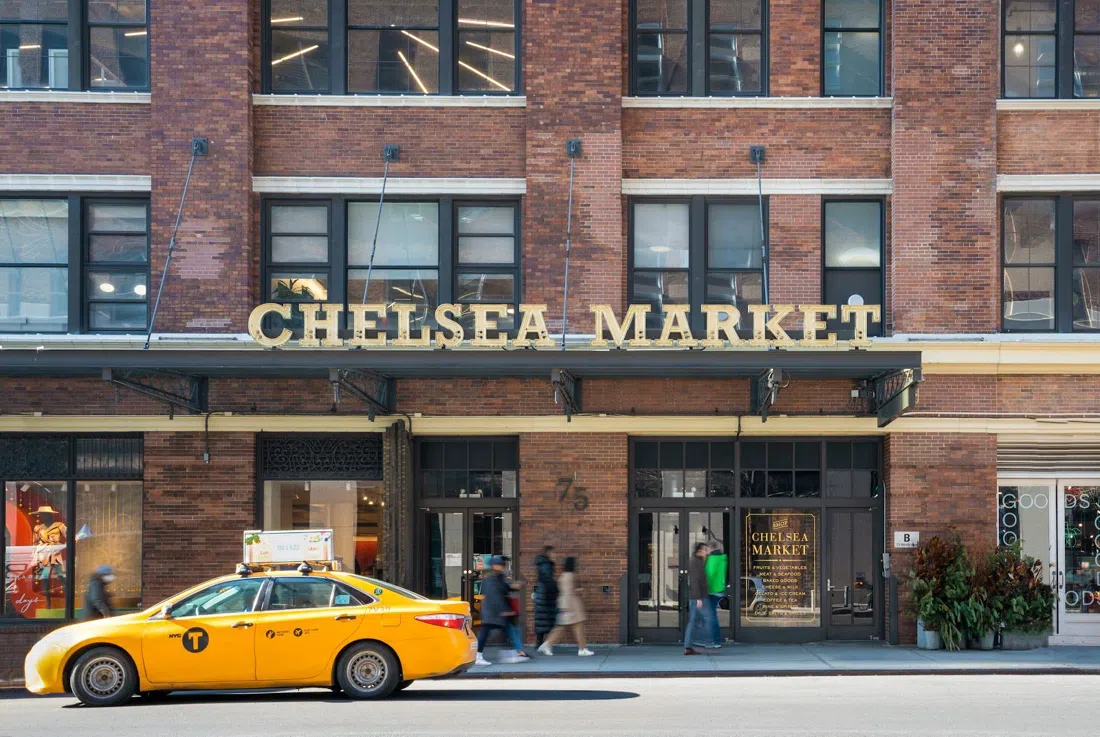
Directly beneath it at 75 Ninth Avenue, Chelsea Market (Chelsea) is open 7am to 10pm with no reservations and no door policy, and it is the best answer on this list to a group that cannot agree on one cuisine. Lobster Place, Amy's Bread and Mokbar anchor a hall where everyone eats what they want and nobody has spent a minute in transit; reckon on roughly $10 to $30 a head. The bottleneck is tables, not entry, so send someone ahead to claim one.
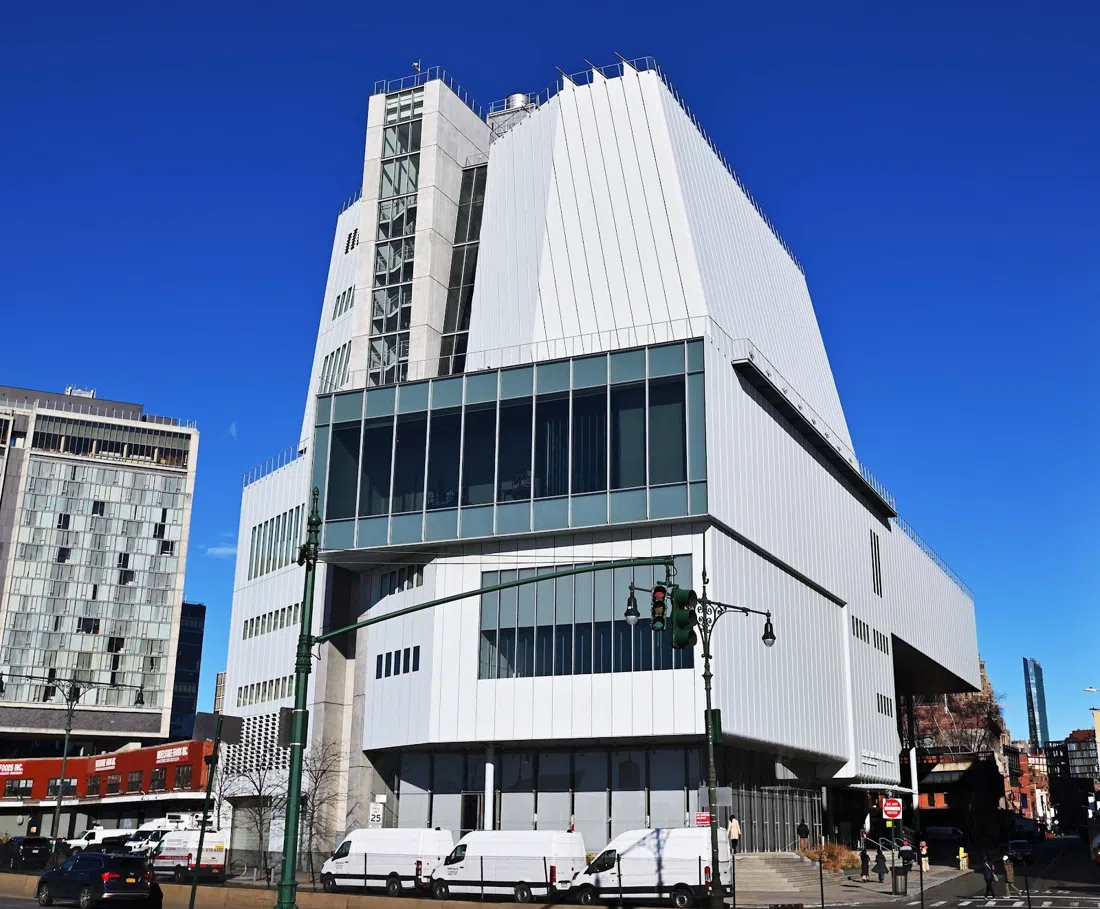
At the southern end, Whitney Museum of American Art (Meatpacking District) charges $30 for adults and $24 for seniors and students, but admits everyone aged 25 and under free, every day, which makes it the cheapest serious museum in the city for young travellers. It is also free on Friday evenings from 5 to 10pm and on the second Sunday of each month, and it closes on Tuesdays. The ground-floor galleries cost nothing to walk into at any time, and groups of ten or more get a discounted rate with advance booking.
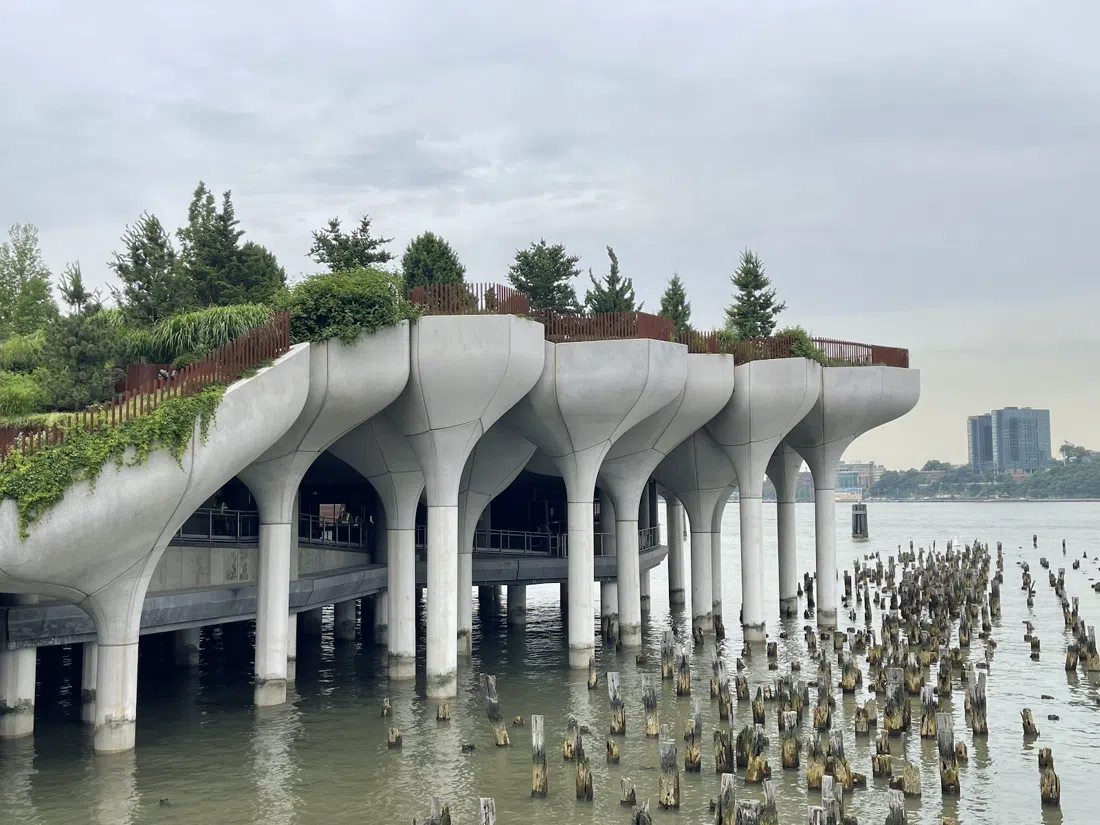
Then stop. Five minutes further south, Little Island (Hudson River at West 13th Street) is a park built out over Pier 55, free to enter with no group restriction, though free timed-entry passes can be required on busy summer afternoons, so check the site the day before if there are more than a few of you. Performances at the Amph are ticketed separately. This is the natural end of a west side day: a bench, the water, the light going, and no second attraction shoved into the evening.
One Midtown building that holds two of your sights
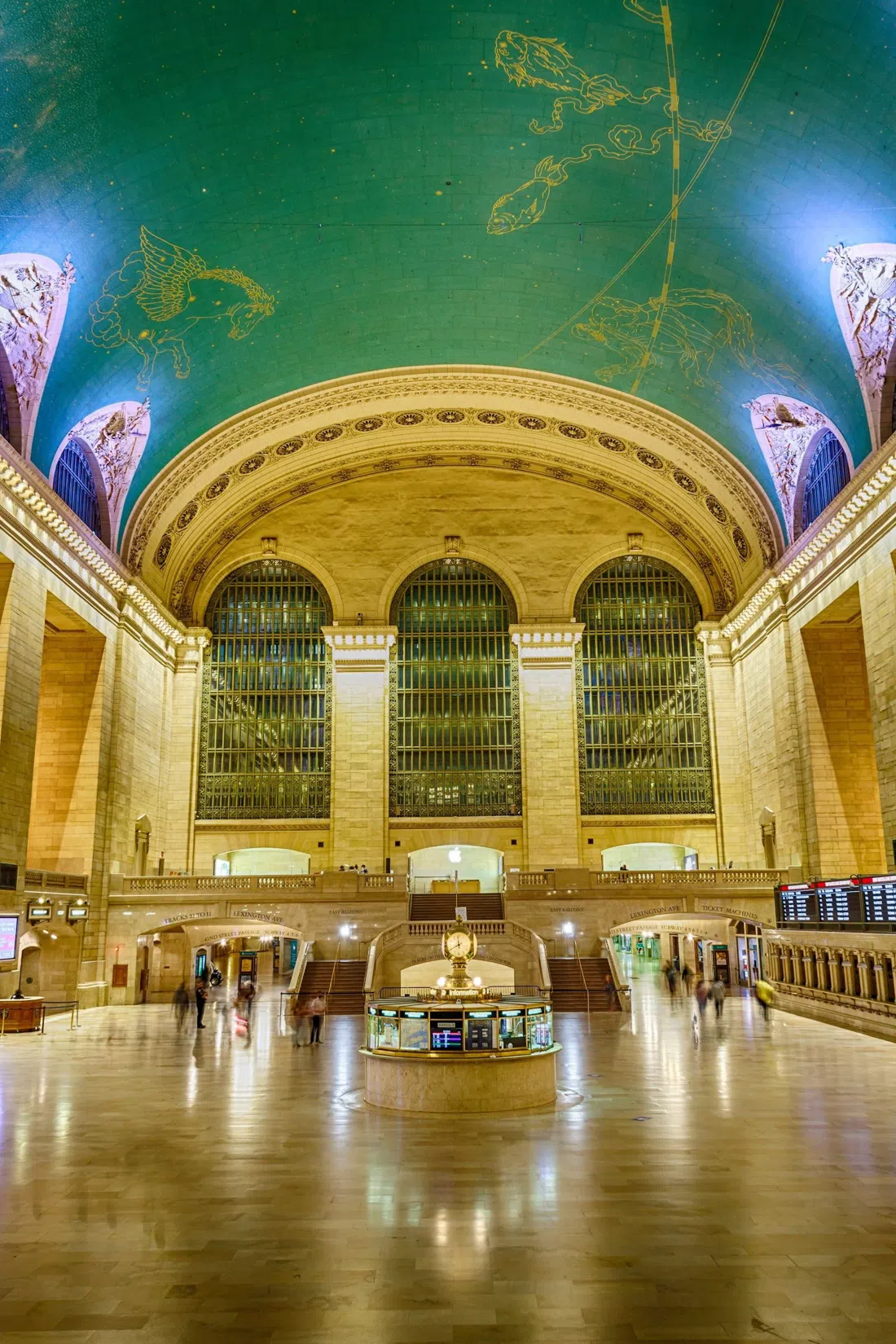
Grand Central Terminal (Midtown East, at 42nd Street and Park Avenue) is free to enter and free to wander with any number of people, and thirty to sixty minutes buys most of what it has to give: the ceiling, the Whispering Gallery outside the Oyster Bar, and the Grand Central Market and Dining Concourse for lunch priced à la carte. An official 90-minute guided tour takes booked groups if you want the engineering and the history behind it.
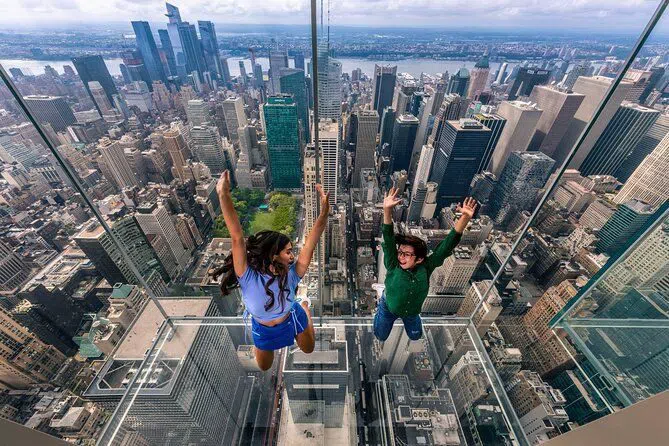
It belongs on a low-mileage itinerary because of what sits above it. SUMMIT One Vanderbilt (Midtown East) is entered from inside the Main Concourse, so two entries on your list cost one journey. It runs 8am to midnight with last entry at 10.30pm, every ticket is timed, general admission starts around $44 and the Ascent glass-elevator option from about $68. Sunset and weekend slots sell out, so book before you fly rather than when you land. Take the honest advice too: pick one high deck for the whole trip and let this be it. Collecting three of them costs a few hundred dollars and shows you the same city three times.
Two libraries and the quietest hour in Midtown
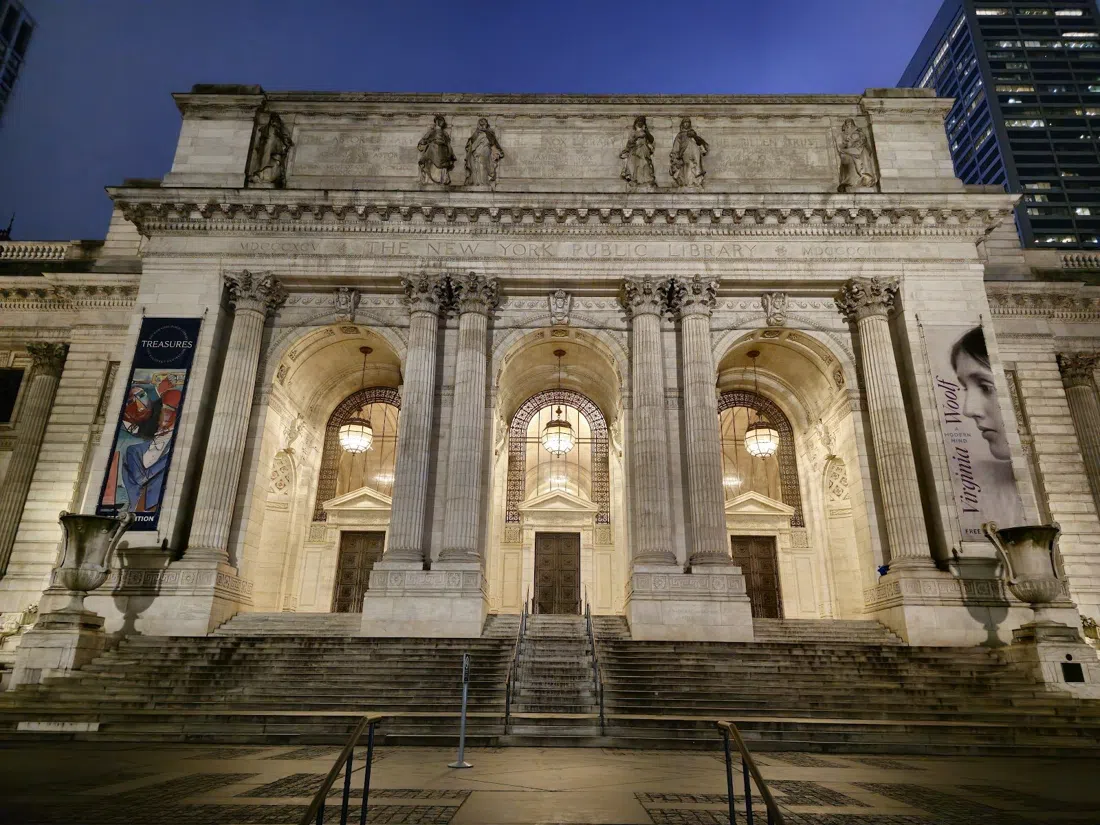
Two blocks west, the New York Public Library, Stephen A. Schwarzman Building (Midtown, Fifth Avenue at 42nd Street) is free and needs no ticket, but it carries a timing constraint that ruins plans made loosely. Visitors who are not there to read can see the Reading Room only during the 10 to 11am visiting hour, Monday to Saturday, with last entry at 10.50am, or on a free guided tour. With a group, that hour is the entire plan: arrive at ten, not at quarter to eleven. The Polonsky Exhibition of the library's treasures is free all day, with 45-minute tours at 12.30 and 3.30pm, and it is a real sight rather than a consolation prize.
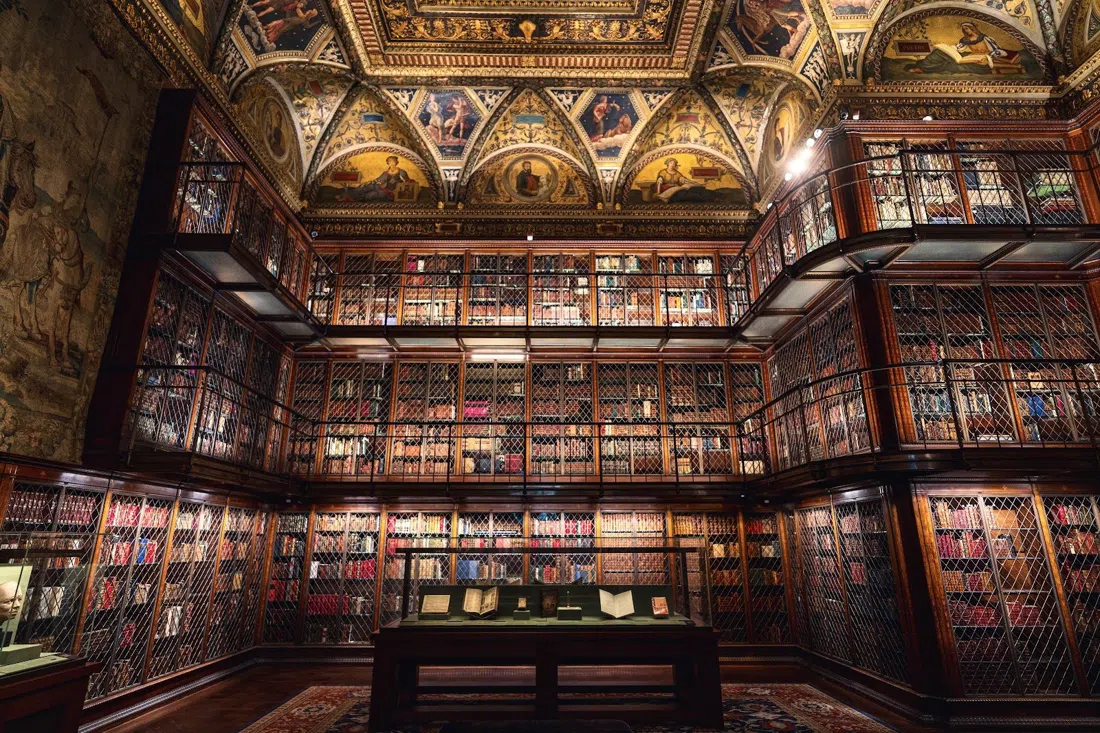
Ten minutes' walk south, The Morgan Library & Museum (Murray Hill, 225 Madison Avenue at 36th Street) is the slot to fill when a big museum would be a mistake: the afternoon of a long-haul arrival, or the third day when nobody can face another marble staircase. It is small-scale by design, and that cuts both ways, because a large unbooked party will overwhelm the rooms. Arrange group and guided visits in advance. Entry is $25, $17 for over-65s, $13 for students and free for under-13s, with free admission on Fridays from 5 to 8pm.
The Lower East Side day, where nothing needs transport
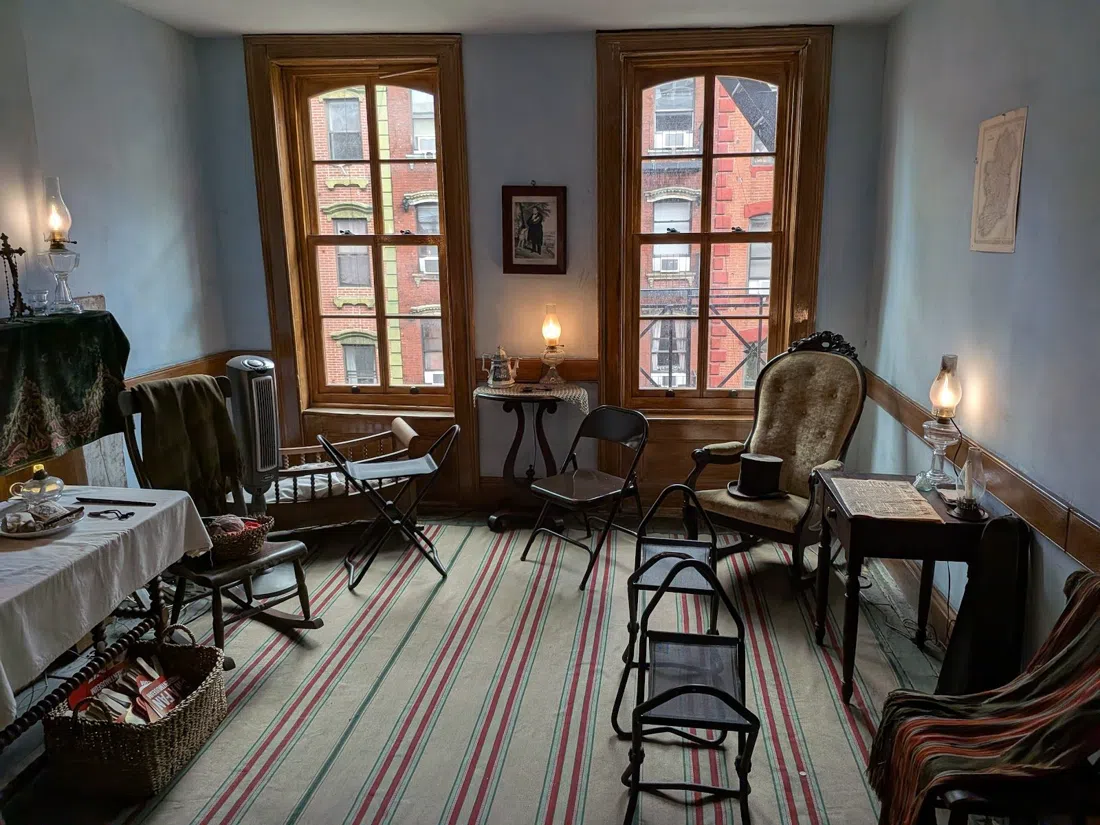
If you do one booked, guided, ticketed thing on a first trip, make it the Tenement Museum (Lower East Side, check in at 103 Orchard Street). It is tour-only, capped at 15 people, and it sells out, so reserve before you arrive; a large party must either split across tours or book the group programme for ten or more in advance. Around $30 covers an apartment visit and a walking tour, and for anyone arriving from abroad it is the most direct route into how this city was built and by whom. It is also one bounded hour rather than an open-ended slog.
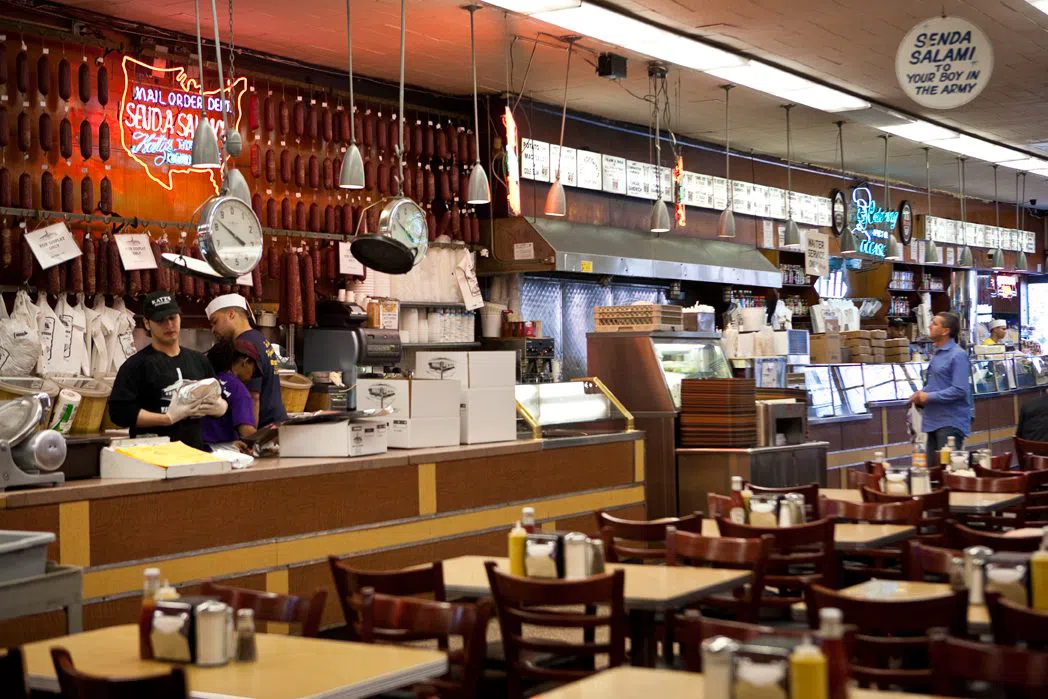
A short walk away, Katz's Delicatessen (Lower East Side, 205 East Houston Street) has been feeding these same streets since long before the museum started interpreting them. It opens at 8am and runs late every night. The system is a ticket handed to you at the door that you must not lose; cash or card both work, and sandwiches run roughly $25 to $34, a lot for a sandwich, and a portion two people can split without embarrassment. Groups fit, but the counter queue and the shared tables mean you will not sit together neatly, so come off-peak if there are more than four of you. Between the two, the Lower East Side day needs no transport at all.
The water, which is the cheapest thing the city does well
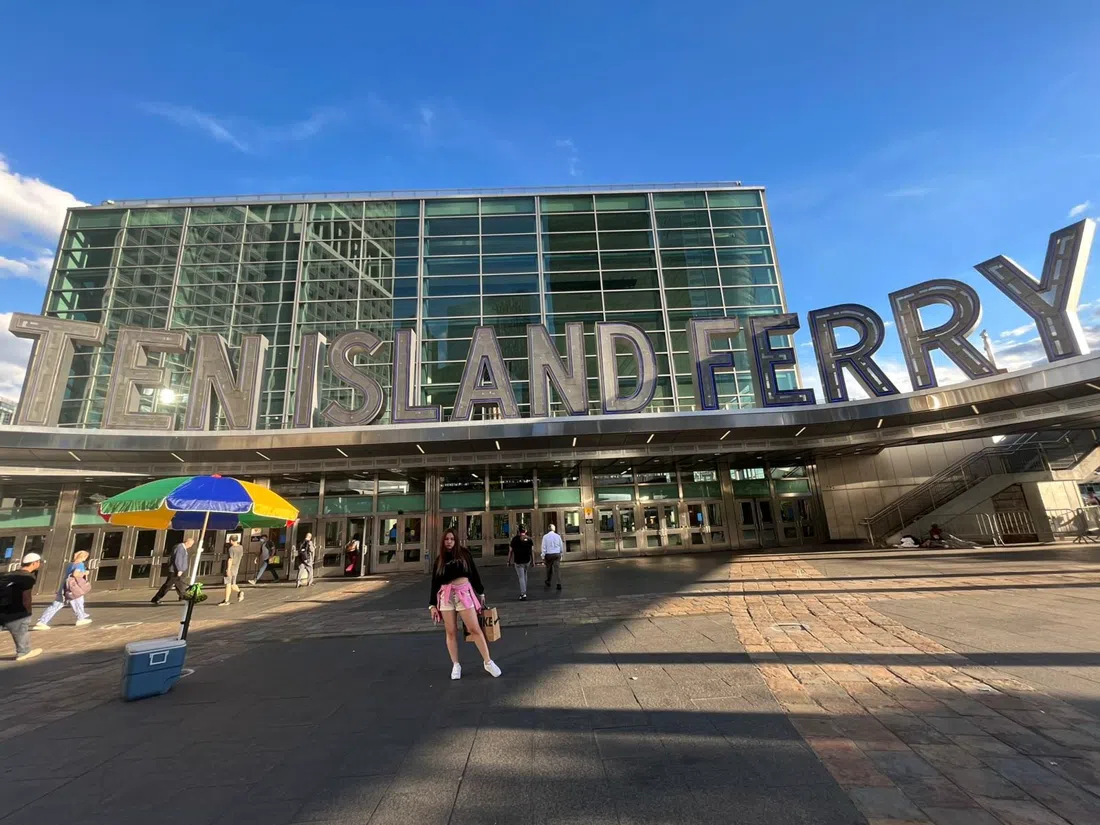
The Staten Island Ferry (Whitehall Terminal, at the southern tip of Manhattan) is free, runs 24 hours a day, 365 days a year, and leaves every 15 to 20 minutes at rush hour, with no ticket and no booking. There is no group limit worth the name, since the boats carry thousands. The 25-minute crossing hands you the harbour and the Statue view that paid cruises charge money for, and it is the easiest thing on this list to do with a dozen people.
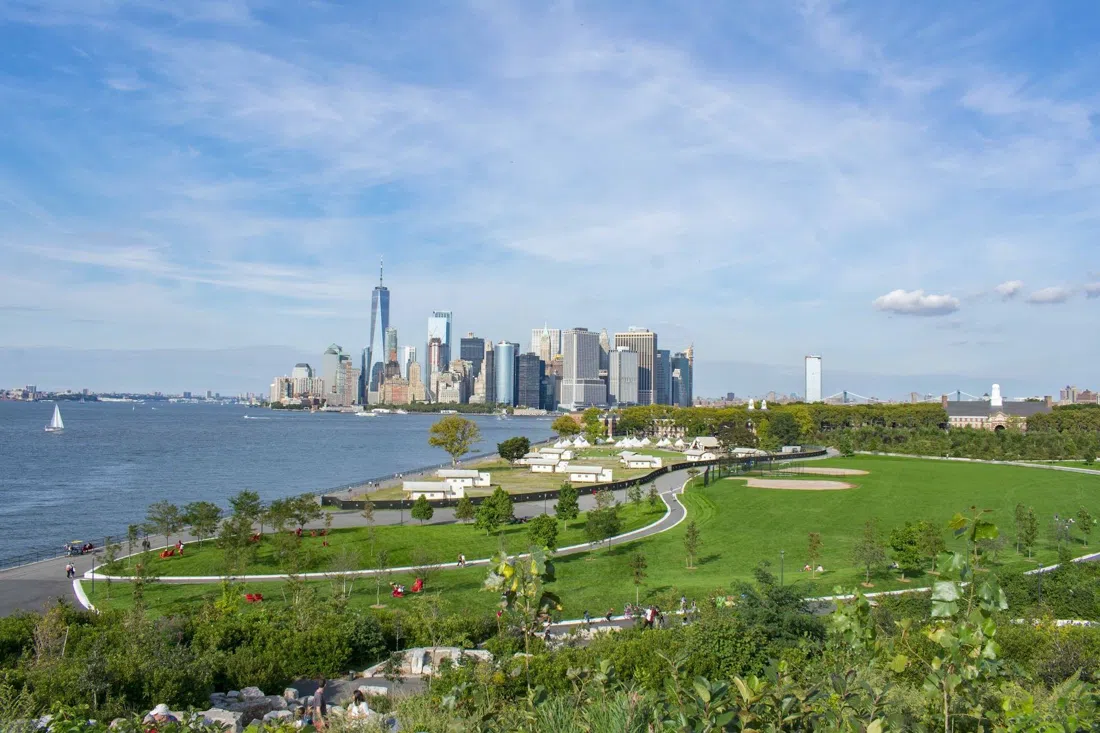
Governors Island (in the harbour, ferries from the Battery Maritime Building at 10 South Street) is the better half-day if you have one spare. The round trip is $5, free for under-12s, over-65s and IDNYC holders, and free for everyone before 11am at weekends. The island opens daily from 7am to 6pm and later through high summer, with extra weekend and holiday sailings from Pier 6 and Red Hook until 1 November 2026. Groups are fine; just buy the ferry tickets together. There are no cars on it, so a whole day passes without a single crossing signal, which after three days in Midtown is not a small thing.
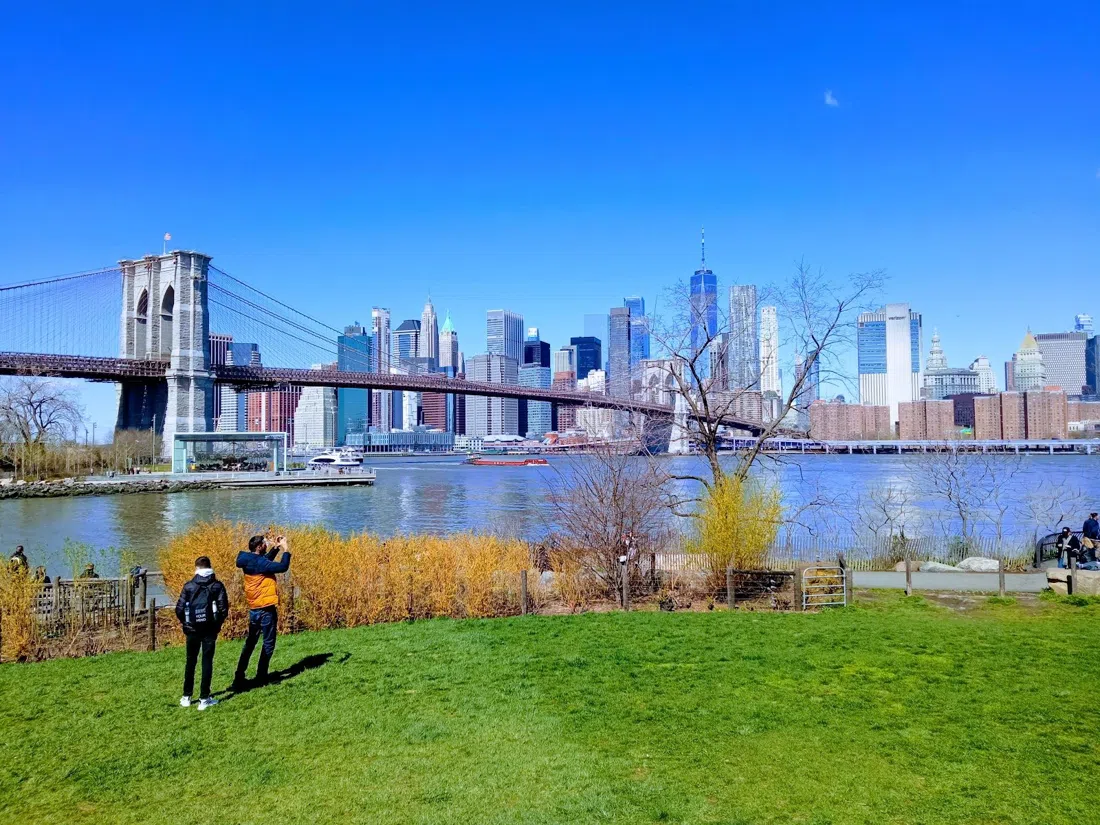
Brooklyn Bridge Park (Brooklyn waterfront, below the bridge) turns the crossing from an errand into a route. Walk the bridge from the Manhattan side and carry on down into the park instead of turning round halfway. It is free, open 6am to 1am, with individual piers keeping their own hours and picnic areas that can be reserved in advance. Jane's Carousel is separately run, costs $2 a ride and closes on Tuesdays. From there you can head back by water or by train, and you will have crossed the river once rather than twice.
Fitting it together and where to sleep
Four or five days covers every section above at one anchor a day, with the gaps deliberately empty. Sleeping in the middle of your plan matters more than sleeping in the middle of the map. A room near Midtown East puts the terminal, both libraries and the high deck inside a walk, while anywhere between Chelsea and the Lower East Side puts the park walks, the market and the ticketed hour on Orchard Street within reach on foot. Compare locations and rates through the New York hotel search, and the wider New York guide is the place to pick up the rest of the city once you have the spine of the trip in place.
What it costs and how to move around
The subway charges a flat fare per ride whatever the distance, and you pay by tapping a contactless card or phone at the turnstile. Tap the same card every time and the system caps your weekly spend on its own, so there is no pass to calculate in advance. Buses take the same fare and are slower but let you see where you are. For most of the days above you will barely use either.
Cards work almost everywhere, including the ticket system at Katz's, but keep a little cash for market stalls, tips and the carousel. Book the two things that sell out before you fly: the timed slot at SUMMIT and the capped tour at the Tenement Museum. Everything else can be decided the morning of, with three exceptions to diary: the 10am Reading Room hour, Tuesday closures at the Whitney and the carousel, and two weeks' notice if a group of ten wants the Frick.
A day here can cost nothing: the park, the elevated walk, the pier island, the terminal, the library and the harbour crossing are all free, and the Whitney is free to anyone 25 or under. A ticketed day tops out around $75 to $105 a head once you add a high deck, a guided hour and lunch. The money is not the constraint on a first trip. The map is, and the fix is to stop crossing it.