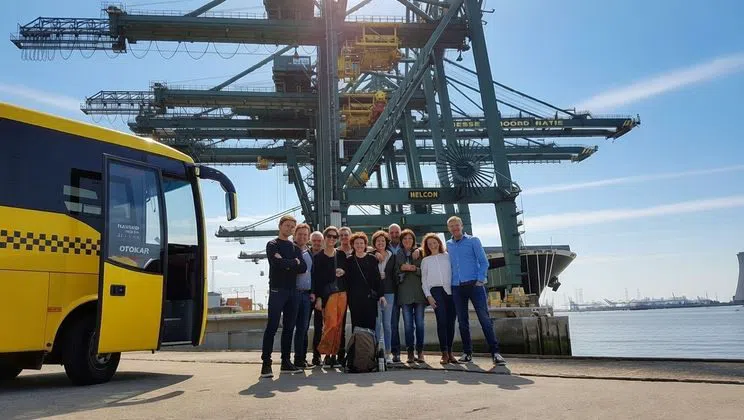

Red Hook sits at the end of a bus line that connects to no subway, on a spit of Brooklyn shoreline still ringed by working cranes and stacked shipping containers. That isolation is exactly why a nineteenth-century ironworks became an art residency, a dry-docked barge kept its cargo-hauling bones, and a distillery still ages bourbon two floors above a working chocolate factory. Nothing here was built to look industrial for a lifestyle brand; it survived as an actual port neighborhood, and artists, distillers and pitmasters simply moved into whatever brick warehouse had good light and cheaper rent than Manhattan. The result is one of New York's most honest waterfront stories, where container ships still pass the gallery windows and nobody pretends otherwise.
Where the art actually lives
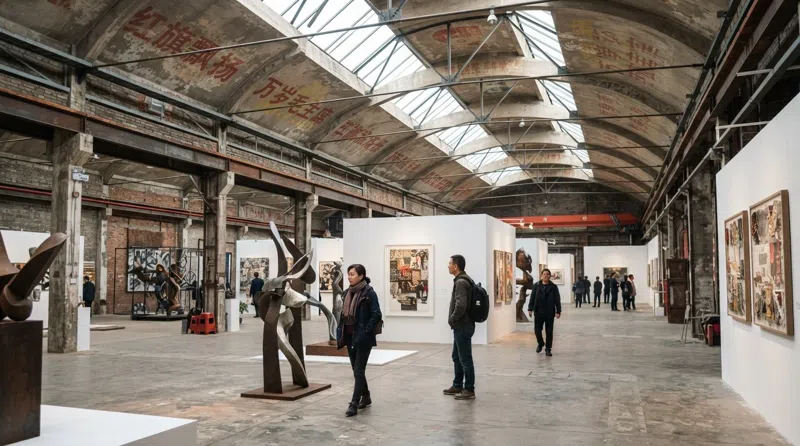
Pioneer Works on Pioneer Street is the anchor, and it earns the word. The building started life in 1866 as an ironworks, one of the foundries that kept Red Hook's docks running, and it sat mostly derelict until artist Dustin Yellin bought it in 2012 and rebuilt it as a nonprofit science-and-art residency, the kind of place where a particle-physics lecture and a gallery opening can share a Tuesday. General admission is free, Wednesday through Sunday, noon to 6pm, and the scale of the space, a barrel-vaulted main hall the size of an airplane hangar, is worth the trip on its own. Groups of eight or more can book a guided tour year-round, which is the better way to see it if you're traveling with a crew, since a drop-in visit during an opening can mean navigating a packed room solo. Go on a weekday afternoon if you want the building to yourself.
A ten-minute walk south on Van Brunt Street, Kentler International Drawing Space is Pioneer Works' opposite number, a single street-level gallery founded in 1990, entirely free, and scaled for looking closely rather than wandering widely. It shows international works on paper, and its flatfiles, drawers of unframed pieces you can page through with a staff member, are viewable by appointment, which makes it a genuinely different kind of visit than a warehouse-sized institution. Small groups are fine here, but this is a browsing-and-conversation stop, not a tour-bus one, and it's proof the area's art scene isn't only about scale.
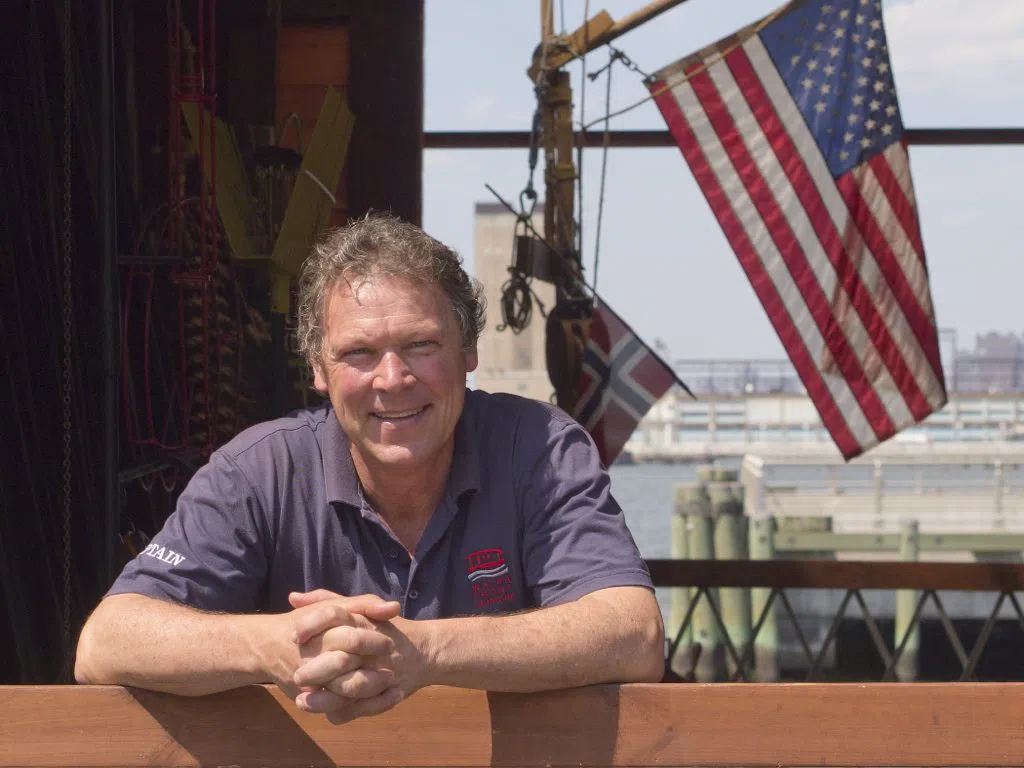
Down toward the water on Conover Street, the Waterfront Museum & Showboat Barge is the neighborhood's most literal piece of industrial heritage: a wooden covered lighter barge built in 1914, the last surviving example of the flat-bottomed boats that once ferried cargo between ships and rail yards across New York Harbor before trucks made them obsolete. It's now a floating museum and occasional performance venue, with free open hours Thursday 4-8pm and Saturday 1-5pm. It welcomes school trips and group tours and can be rented outright for an event, but the free open hours are the easiest way in. Check the schedule before you go, since a wooden barge from 1914 occasionally needs maintenance days off the calendar.
Where industry still makes things you can drink
Red Hook's working-waterfront identity shows up most clearly in what still gets manufactured here, and three operations turn that into an afternoon you can actually taste. Red Hook Barrel Yard, on the Beard Street piers, is the rebranded and relocated version of the winery originally opened here in 2008, now folded into a combined winery, cidery and distillery under one operator. Worth naming correctly, since the old "Red Hook Winery" listing still floats around online and refers to a business that no longer exists as a standalone entity. It's open daily, roughly noon to 10pm, and books tables for two to eight guests online; larger parties of nine or more should email ahead rather than show up expecting a table. Expect $$-range flights and glasses, and a room built for lingering rather than a quick tasting-and-out.
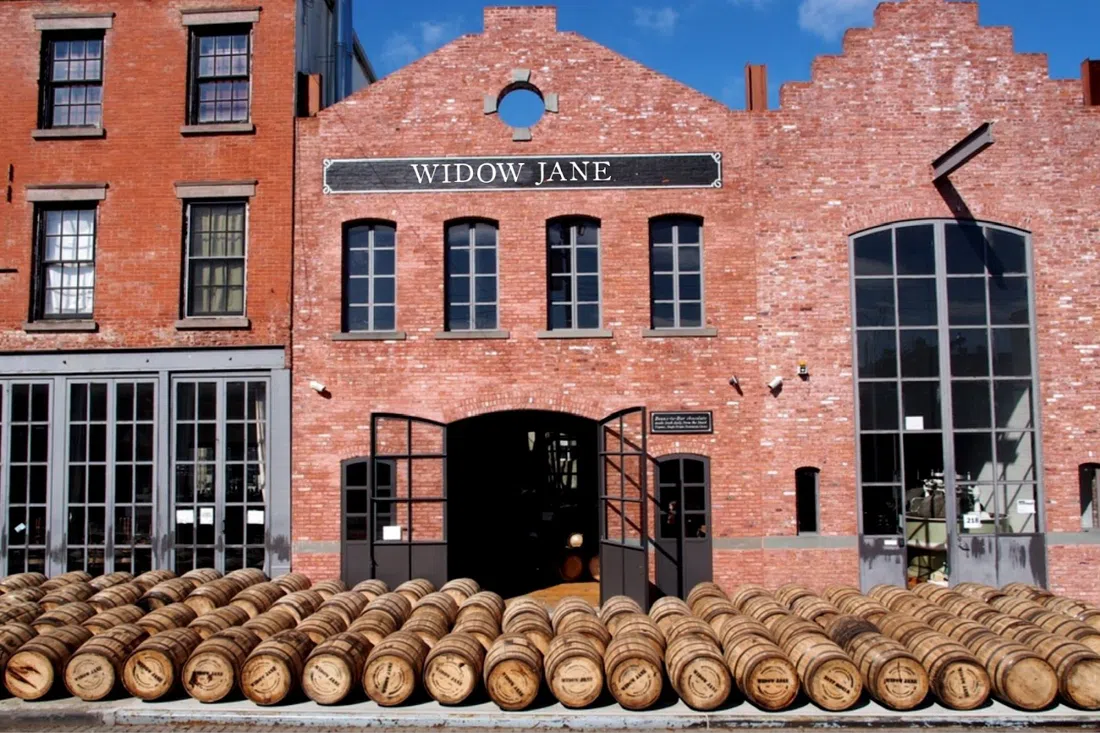
A few minutes away on Conover Street, Cacao Prieto / Widow Jane Distillery is the neighborhood's best two-for-one: bourbon and chocolate made in the same building by the same company, with weekend tours bookable online for around $15-20 per person and small groups handled comfortably. The bourbon side, Widow Jane, is the more consistent draw, but the chocolate production has paused seasonally in past years, so if that's the reason you're going, confirm it's actively running before you book. It's a working factory, not a fixed exhibit, and the schedule reflects that.
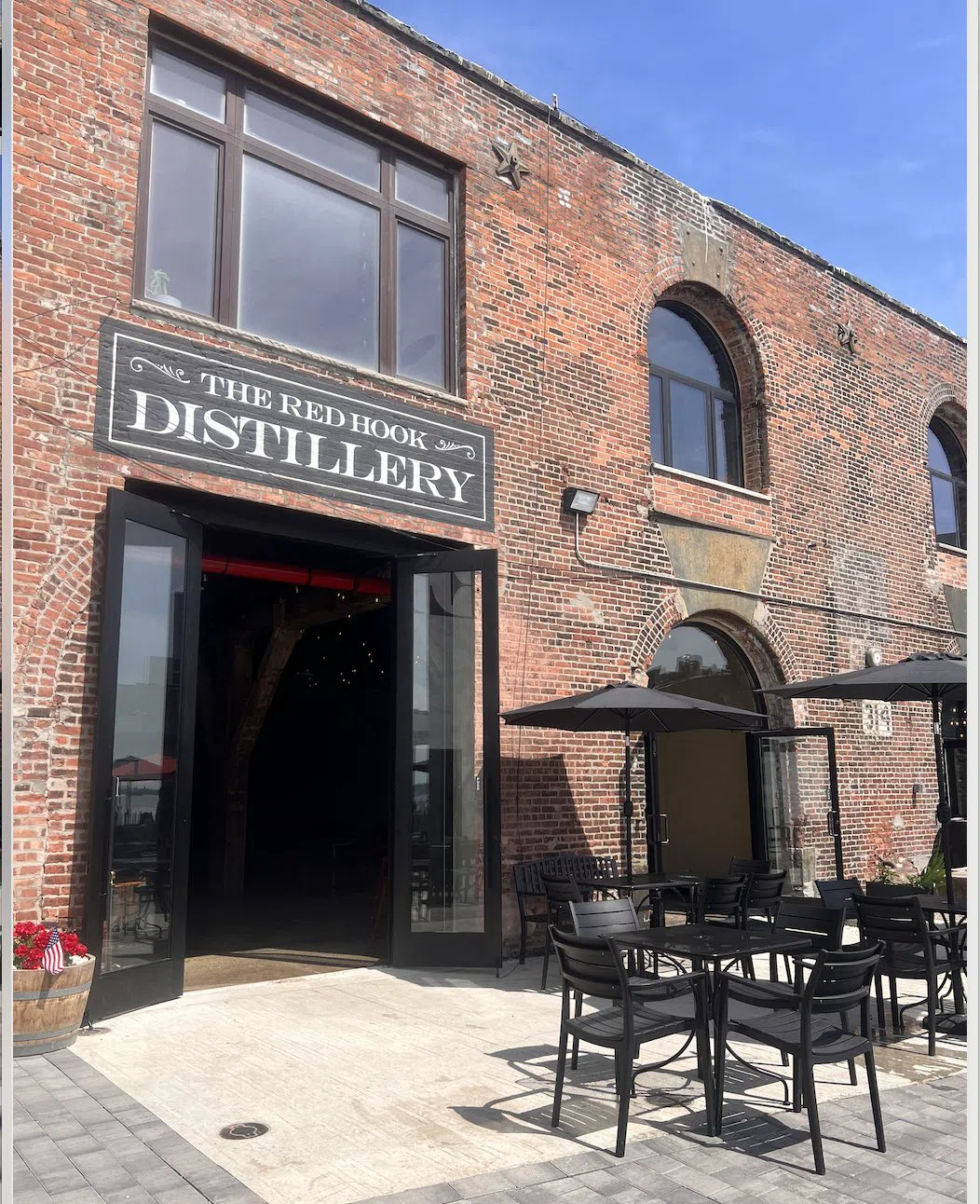
Brooklyn Gin, meanwhile, is the newest name on this stretch of Van Brunt Street, having taken over the former Van Brunt Stillhouse space after that operation closed in 2025. Use the current name, Brooklyn Gin, not Stillhouse, when you're booking, since old references still circulate. The tasting room is walk-in friendly, but the small-group guided tours run specifically on Friday evenings, which is the version worth planning around if you want the actual production story rather than just a pour at the bar. It's a $ visit either way. A tasting flight here won't strain a modest budget.
The waterfront itself and a design detour
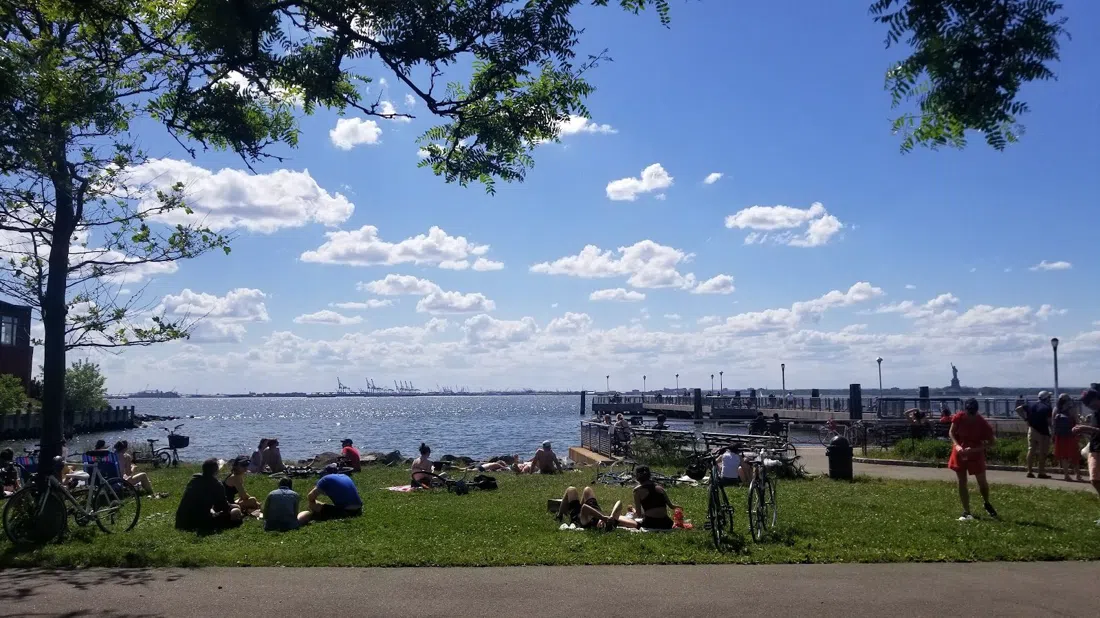
None of this works as a story without the water, and Louis Valentino Jr. Park and Pier, at the foot of Ferris Street, is where it comes together in one frame: a small free public park built on a former ferry landing, with the Statue of Liberty, the working container port and the Lower Manhattan skyline all visible from the same patch of grass. It's dog-friendly, takes any group size without a booking, and turns into a modest kayak-launch spot in summer through community boathouse programs. There's no better free way to understand what this article is actually about: a working port that never stopped working, with a park bolted onto the end of it.
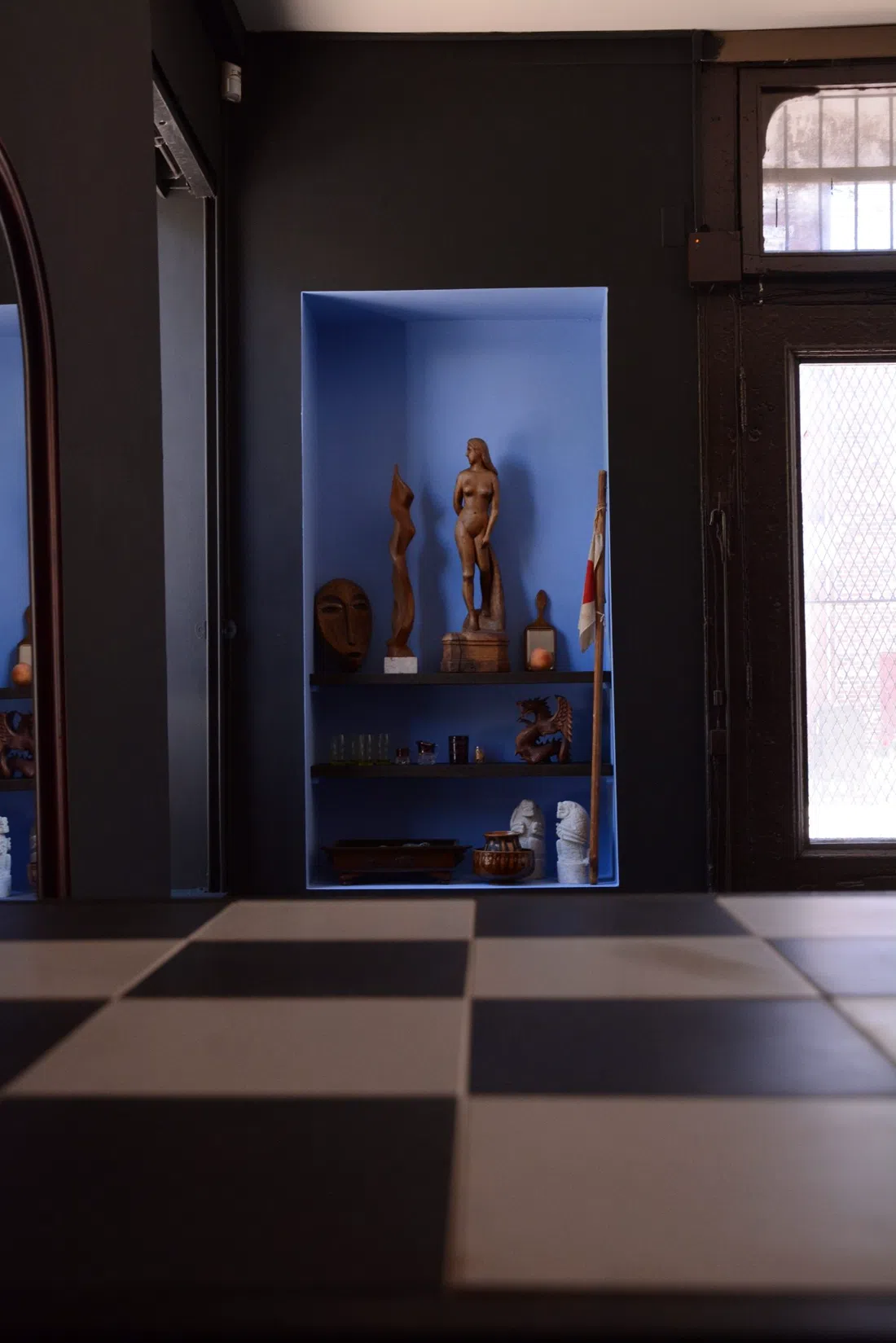
A few blocks inland, Erie Basin on Van Brunt Street is the neighborhood's one genuine retail pilgrimage: an antique jewelry and design shop that the New York Times has singled out for a shopfront that looks more like a cabinet of curiosities than a store. It's a small space built for slow browsing, not a group-tour stop, and prices run $$$. This is where Red Hook's creative-industrial reputation turns into something you can put on your hand, and it's worth the detour even if you're not buying, just to see how a jewelry shop can hold its own against Manhattan retail without any of Manhattan's polish.
Where to eat and drink like you live here
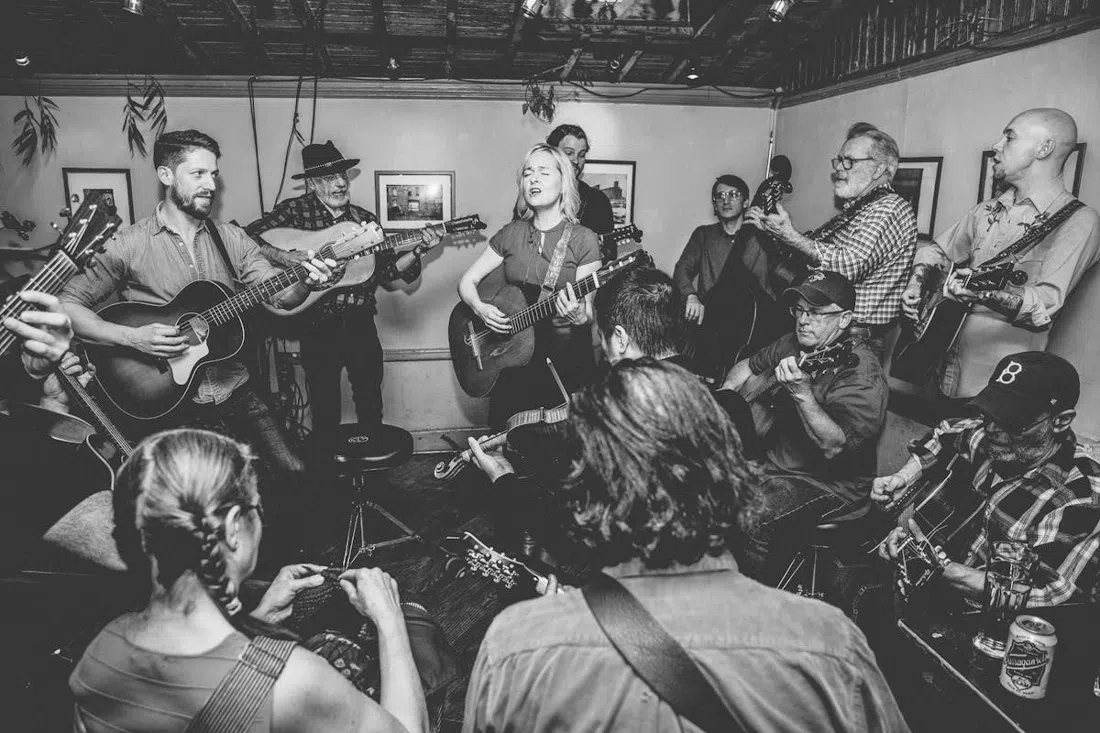
Red Hook's bars and kitchens split cleanly into two moods, and knowing which one you're walking into matters. Sunny's Bar on Conover Street is the community-saved version of a dockworkers' bar. It closed and reopened through neighborhood fundraising rather than a corporate revival, and it still reads that way: no reservations, easy for a small group to fold into, and more likely to have a musician playing in the corner than a curated cocktail list. It's the one bar in this piece still run for the people who used to work these docks, not for the people photographing them, and it's worth an evening on that basis alone.
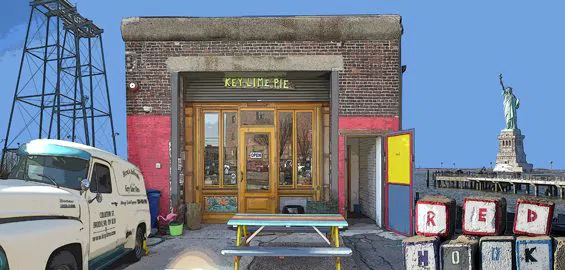
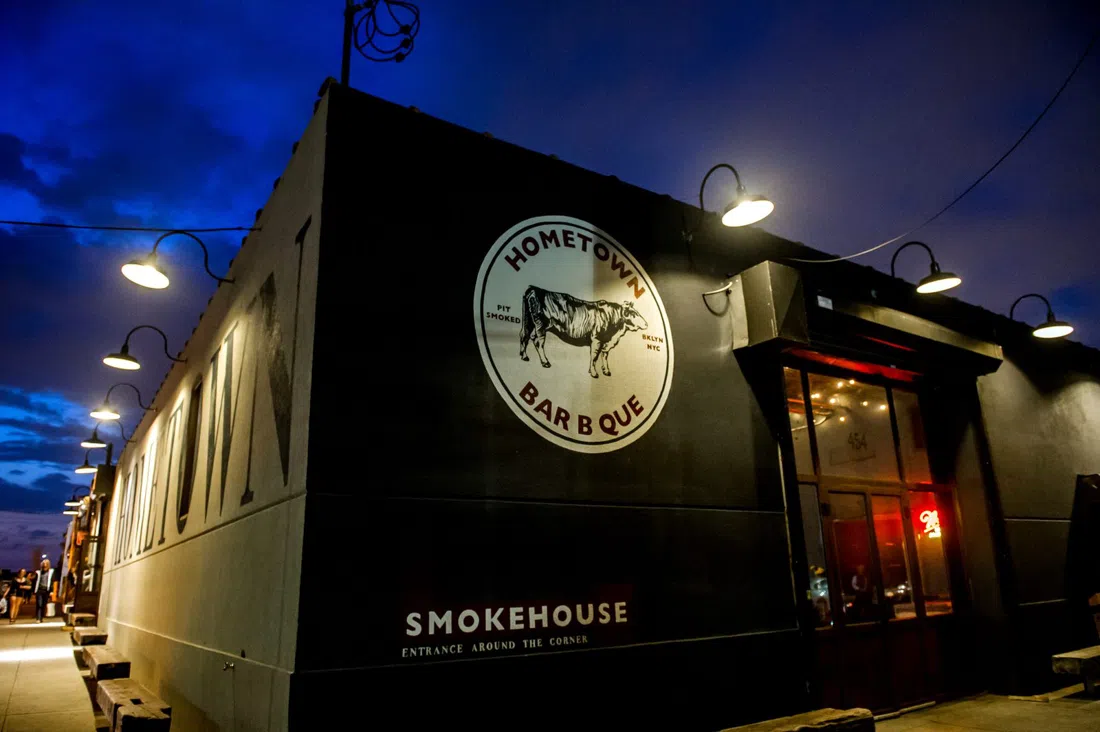
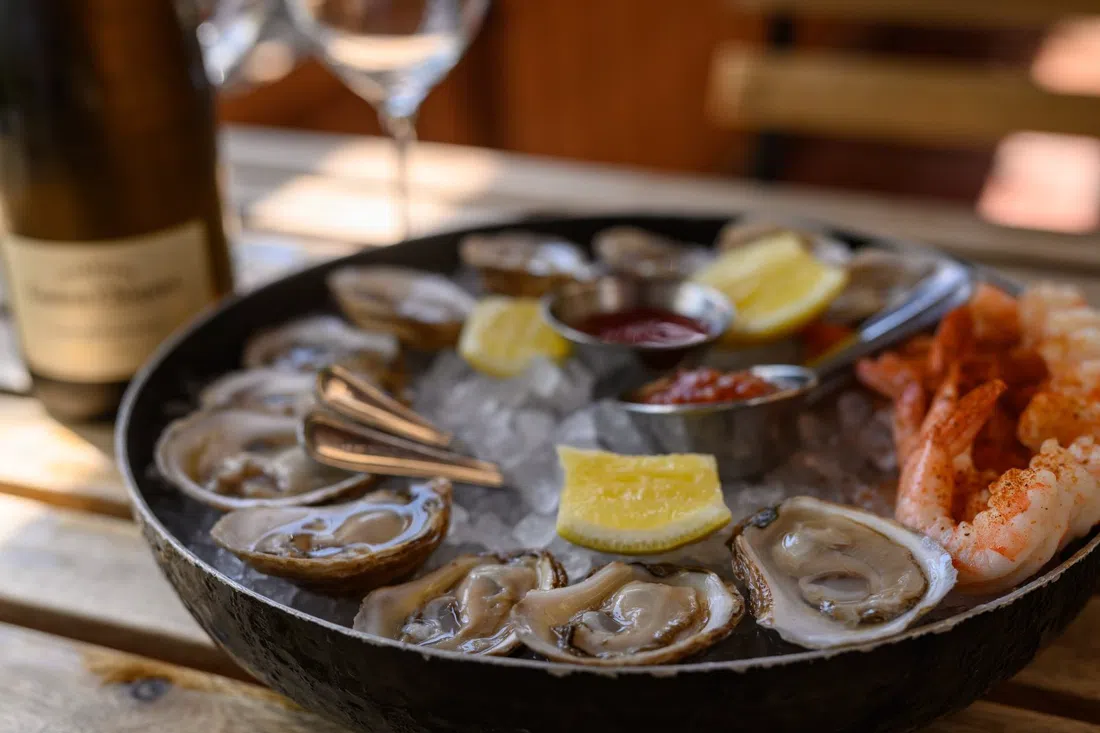
For a livelier, group-friendly register, Brooklyn Crab on Reed Street takes reservations and handles large parties without complaint, spread across a multi-level seafood shack with picnic tables, a raw bar and rooftop mini-golf that leans into the industrial-waterfront setting rather than dressing it up. Hometown Bar-B-Que, in a genuine former auto-body garage on Van Brunt Street, is the theme made literal: smoked meat by the pound at communal tables, built for large groups, though it doesn't take reservations for smaller parties, so budget queue time on weekend evenings. Steve's Authentic Key Lime Pie is the human-scale counterpoint to both: a 25-year Red Hook institution, casual and mostly takeout, and the right stop for a $-range dessert between a gallery and a bar rather than a sit-down meal.
At the top of the price range, Red Hook Tavern on Van Brunt Street is the neighborhood's most polished room without losing its working-class bones: an old-New-York tavern atmosphere that earned a 2026 James Beard semifinalist nod, booked through OpenTable and comfortable with groups, though at $$$ it's the one meal in this piece worth reserving ahead rather than walking into.
Getting there, timing it right, and what to budget
Red Hook has no subway station of its own, which is precisely why it stayed a working port instead of turning over to condos decades ago, and it's still the main practical wrinkle in visiting. The B61 bus runs from downtown Brooklyn and Cobble Hill and is the most reliable way in; NYC Ferry's South Brooklyn route also stops at Atlantic Basin, a short walk from the Van Brunt Street corridor, though schedules thin out outside summer, so check departure times before building a return trip around it. A car or bike closes the gap fastest if you're coming from elsewhere in Brooklyn, and once you're there, the whole area described here is walkable in well under an hour end to end, cobblestones and all.
Bring cash as a backup: several of the smaller shops and the distillery tasting rooms lean cash-friendly even where cards are technically accepted, and it smooths things at a barge museum or a dive bar that isn't set up for a tap-to-pay queue. Galleries and the museum are best visited on weekday afternoons, when Pioneer Works and Kentler are close to empty; weekends bring the crowds, and the restaurants especially, so book Red Hook Tavern and Brooklyn Crab ahead if you're traveling as a group. A realistic day here (a free museum or two, a distillery tour, and a $$-range dinner) runs comfortably under $100 per person before drinks, which is close to unheard of for a New York waterfront with this view of the skyline. For where to sleep before or after, start with the New York hotel search, and for the rest of the city around it, the New York guide covers what's beyond the water.