For fourteen years, engineers and financiers argued about whether it was even possible to bridge the East River, and then in 1883 it simply was — a single span of granite towers and steel cable that turned Brooklyn from a separate city into a Manhattan suburb almost overnight. You can still walk the whole thing in under an hour, but the neighborhoods it touches on either bank reward a full day: the elevated promenade of the bridge itself, the cobblestone blocks of DUMBO underneath it, and the quiet brownstone streets of Brooklyn Heights on the far side, all still legible as the direct consequence of that one crossing. This guide follows the walk in the order most people actually do it, with the honest logistics attached — where it gets shoulder-to-shoulder, which doors take groups and which ones don't, and which stops are worth the queue. For where to base yourself before or after, the full New York guide covers the rest of the city.
Walking the Span Itself
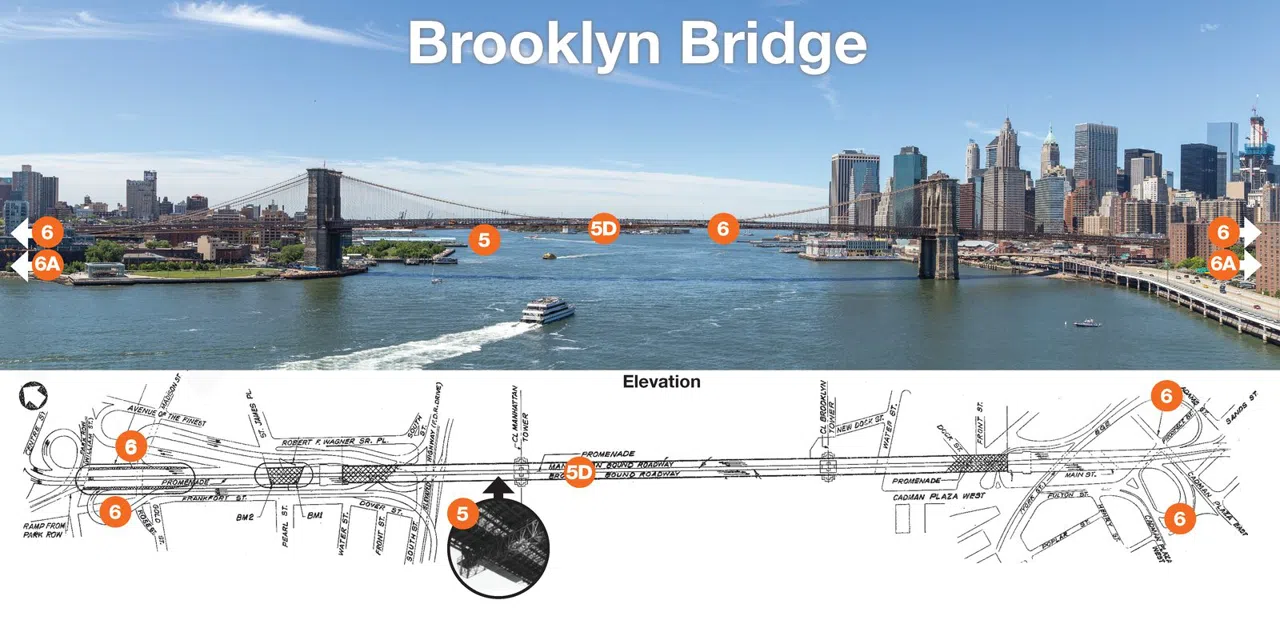
The Brooklyn Bridge (Financial District to DUMBO) is the reason any of this exists, and it's worth understanding what you're standing on before you start moving. When it opened in May 1883, it was the longest suspension bridge in the world by a wide margin, and the first to use steel — not iron — for its cables, a choice pushed through by chief engineer Washington Roebling after his father, the original designer, died from tetanus contracted during the survey work and Washington himself was left partially paralyzed by decompression sickness from the underwater caisson work, directing the rest of the build from a window overlooking the site while his wife, Emily Roebling, carried his instructions to the crew and effectively ran the project's final years. The two Gothic Revival towers were, for a few years, the tallest structures in the Western Hemisphere. None of that history is signposted particularly well on the bridge itself, which is part of why a stop at the Center for Brooklyn History, covered below, is worth the detour before or after.
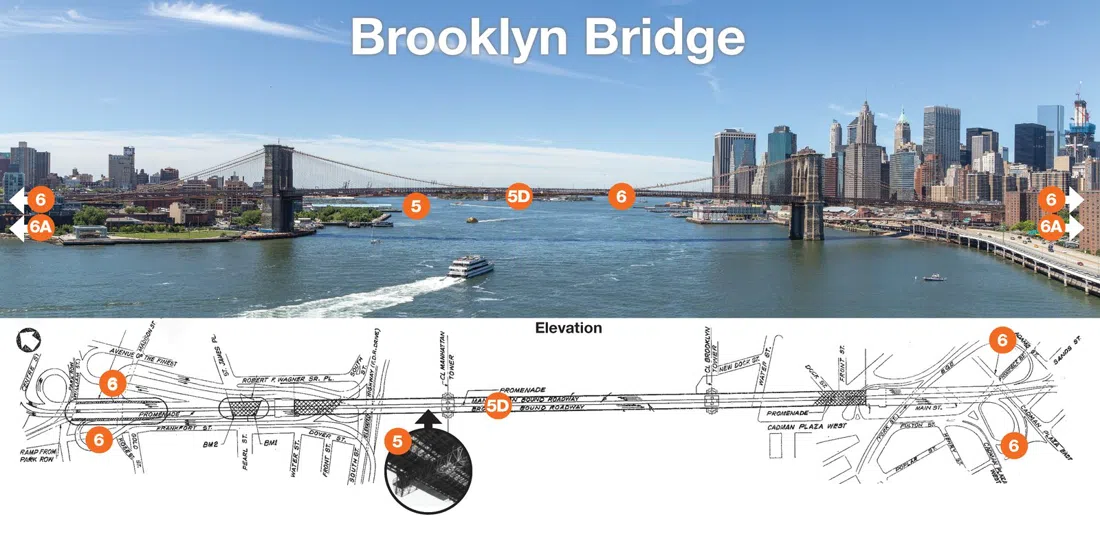
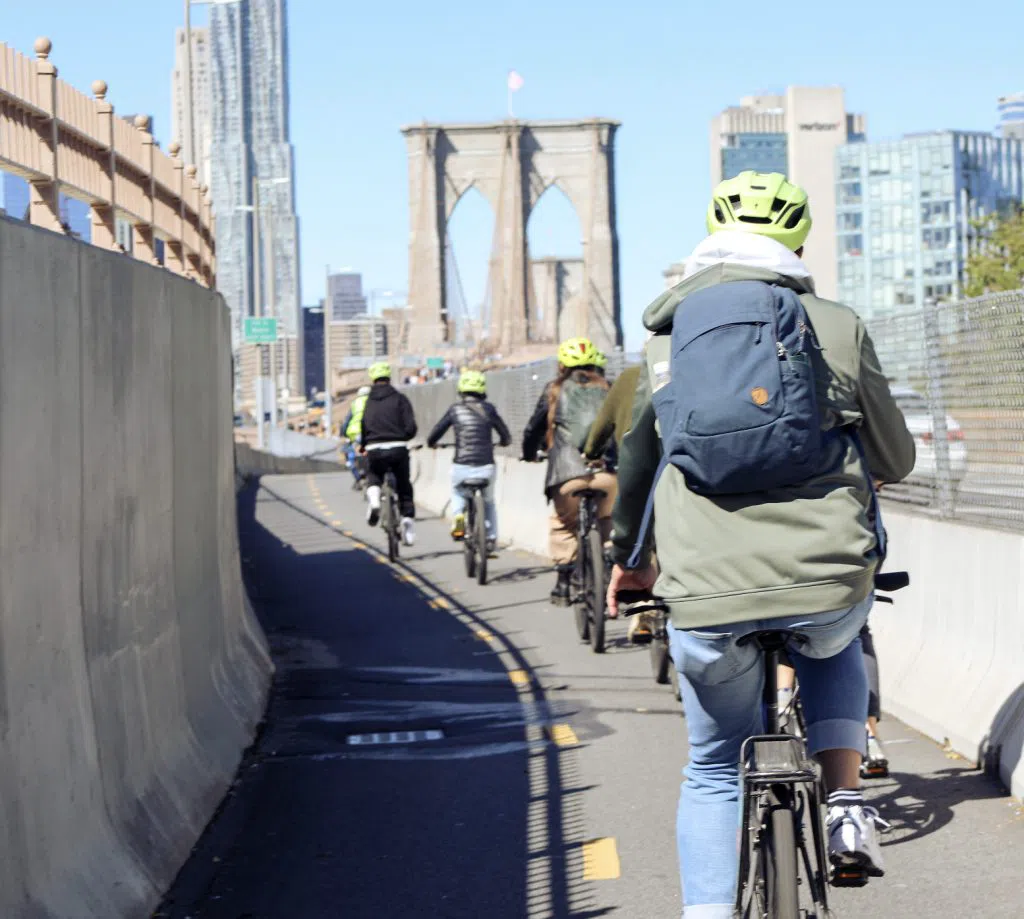
The walk itself is free, permanently open, and needs no booking — start from the Manhattan side near City Hall (closest subway: 4/5/6 to Brooklyn Bridge–City Hall, or the R/W to City Hall) and it's a 20-to-40-minute walk depending on how often you stop, ending in DUMBO on the Brooklyn side, or reverse it. The elevated wooden-plank promenade runs above the traffic lanes, which is a pleasant piece of design but a genuine bottleneck at midday and on weekends, when tour groups, commuting cyclists, and photographers stopping for the skyline shot all compete for the same width of boardwalk. If you're walking with a group, go single file rather than spreading across the deck, and stay firmly on the pedestrian side of the painted line — the bike lane running alongside is used at real commuting speed by people who are not expecting to swerve around tourists, and it's the single most common friction point on the bridge. Early morning, roughly 7-9am, is the best window for a walk that isn't a shuffle: the light is good for photos and the crowd is mostly runners and commuters rather than tour groups.
For readers who'd rather cover the same ground on two wheels, or who are short on time, Unlimited Biking — Brooklyn Bridge Bike Rentals (based near the bridge, both Manhattan and Brooklyn sides) rents by the hour from roughly $10-15, and also runs guided group tours, up to about 15 riders per guide with larger groups available on request. It's a reasonable way to extend the walk into a longer loop through DUMBO and the Heights waterfront without the fatigue, though it's worth repeating the point above in reverse: riders need to stay in the marked bike lane on the bridge deck, not weave through the pedestrian crowd.
The View From DUMBO
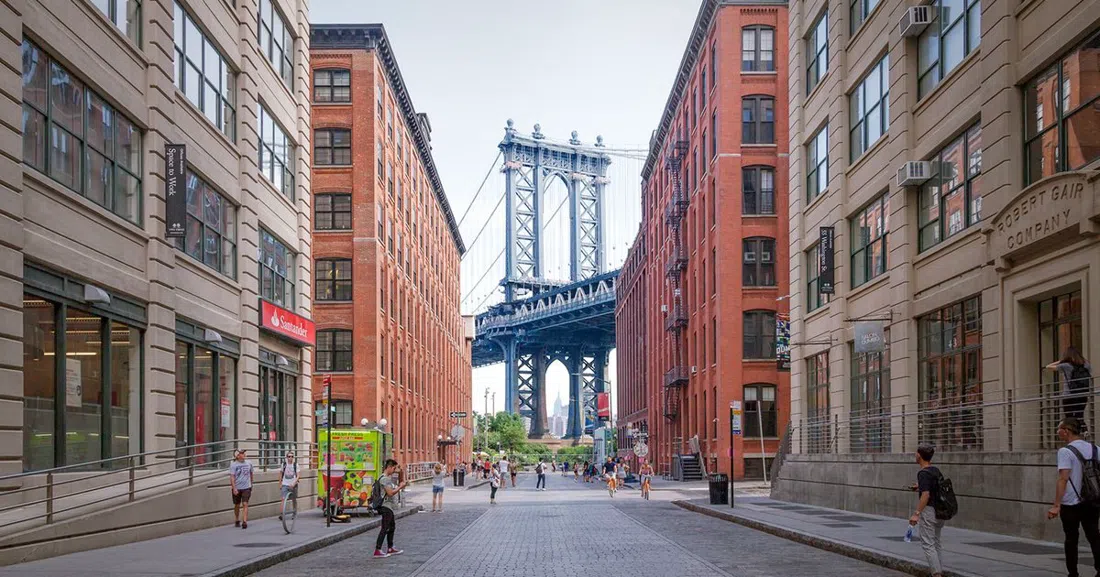
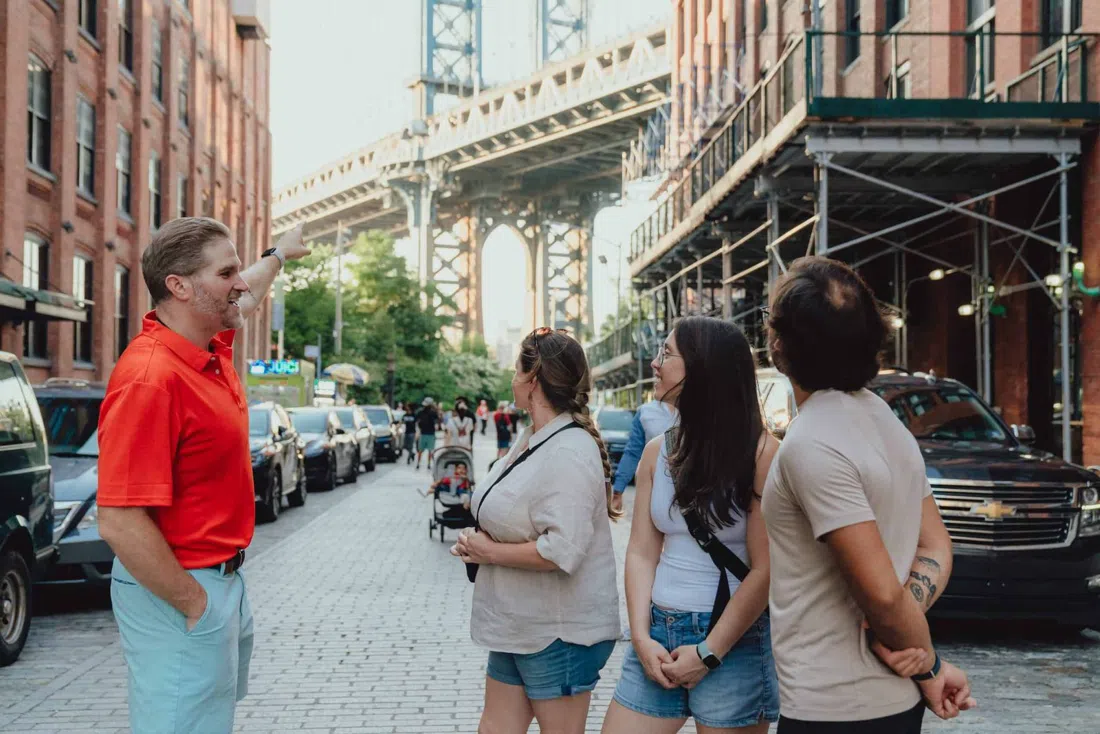
Coming off the bridge on the Brooklyn side drops you straight into DUMBO (Down Under the Manhattan Bridge Overpass), a former warehouse district that's now equal parts cobblestone charm and photo pilgrimage. The DUMBO Manhattan Bridge View on Washington Street is the reason — it's the single most photographed street in Brooklyn, the shot where the Manhattan Bridge frames the Empire State Building down a narrow corridor of converted factory buildings. It's a public street, free to visit, but be realistic about the demand on it: at golden hour especially, there's a real queue for the clear center-of-street shot, and large groups should expect to wait their turn or work around each other rather than expecting the street to themselves.
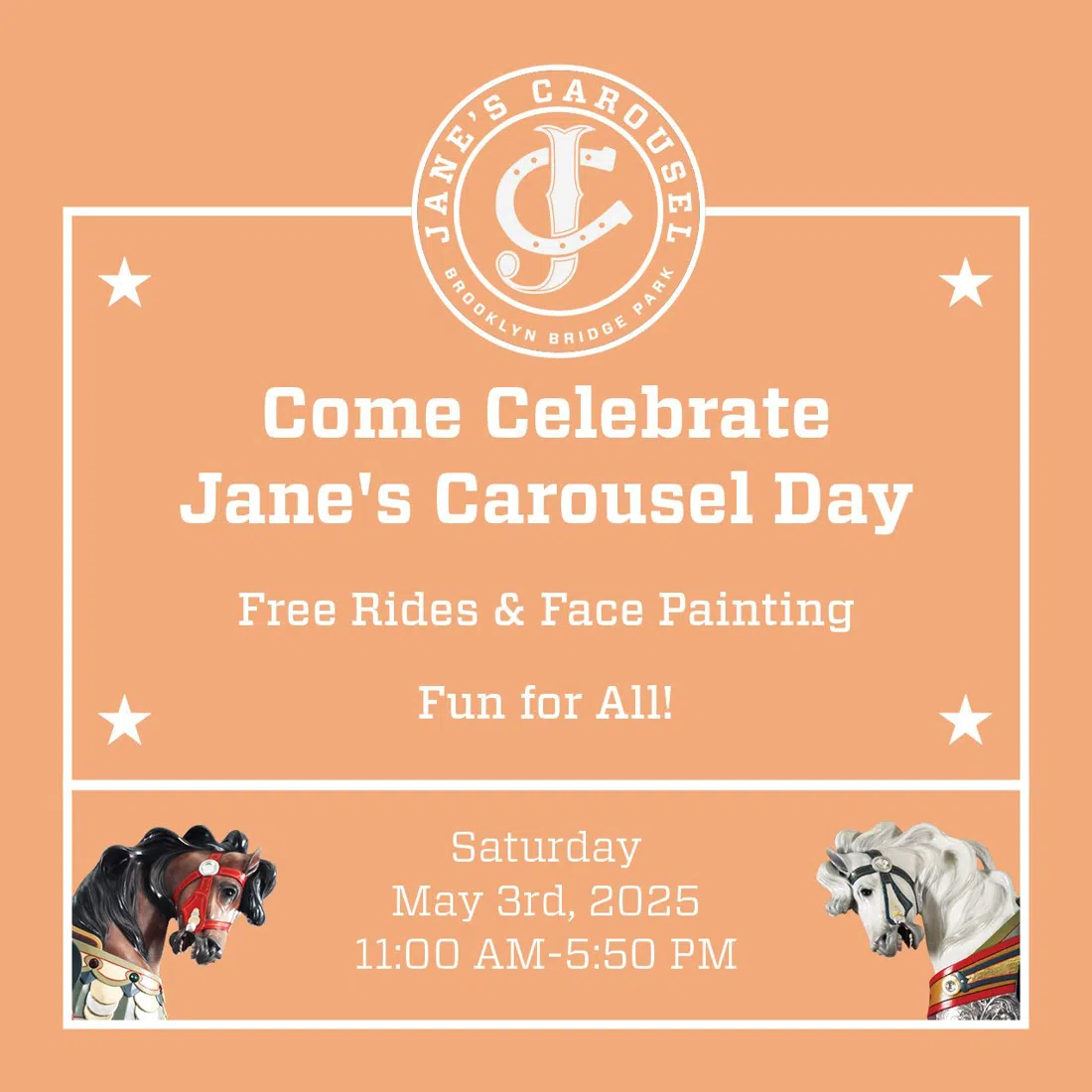
A few minutes' walk toward the water, Jane's Carousel sits inside a glass pavilion right under the bridge approach — a fully restored 1922 carousel that's become one of DUMBO's defining images, glass box and all. It's walk-up, no group reservations needed, rides are $2 whether you pay cash or card, and there's generally enough space that even a loose group won't feel like it's overwhelming the place.
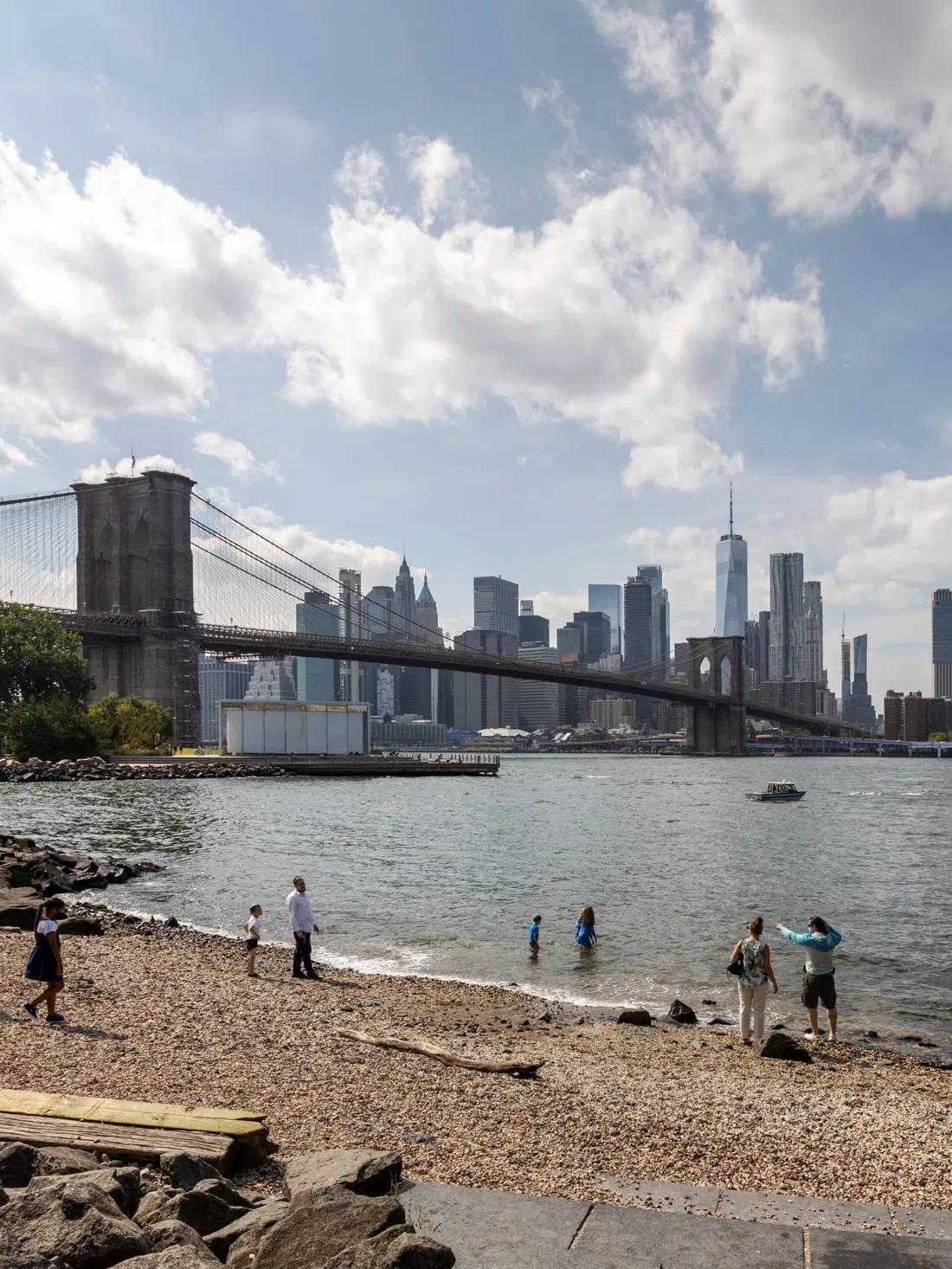
Next to it, Empire Fulton Ferry & Pebble Beach is the park stretch between the Brooklyn and Manhattan Bridges, and it's the best low-angle, water-level view of the Brooklyn Bridge you'll get anywhere — worth building fifteen minutes into any walk just to sit on the rocks and look up at the towers from underneath. It's open public parkland, free, no booking, and handles groups without any friction.
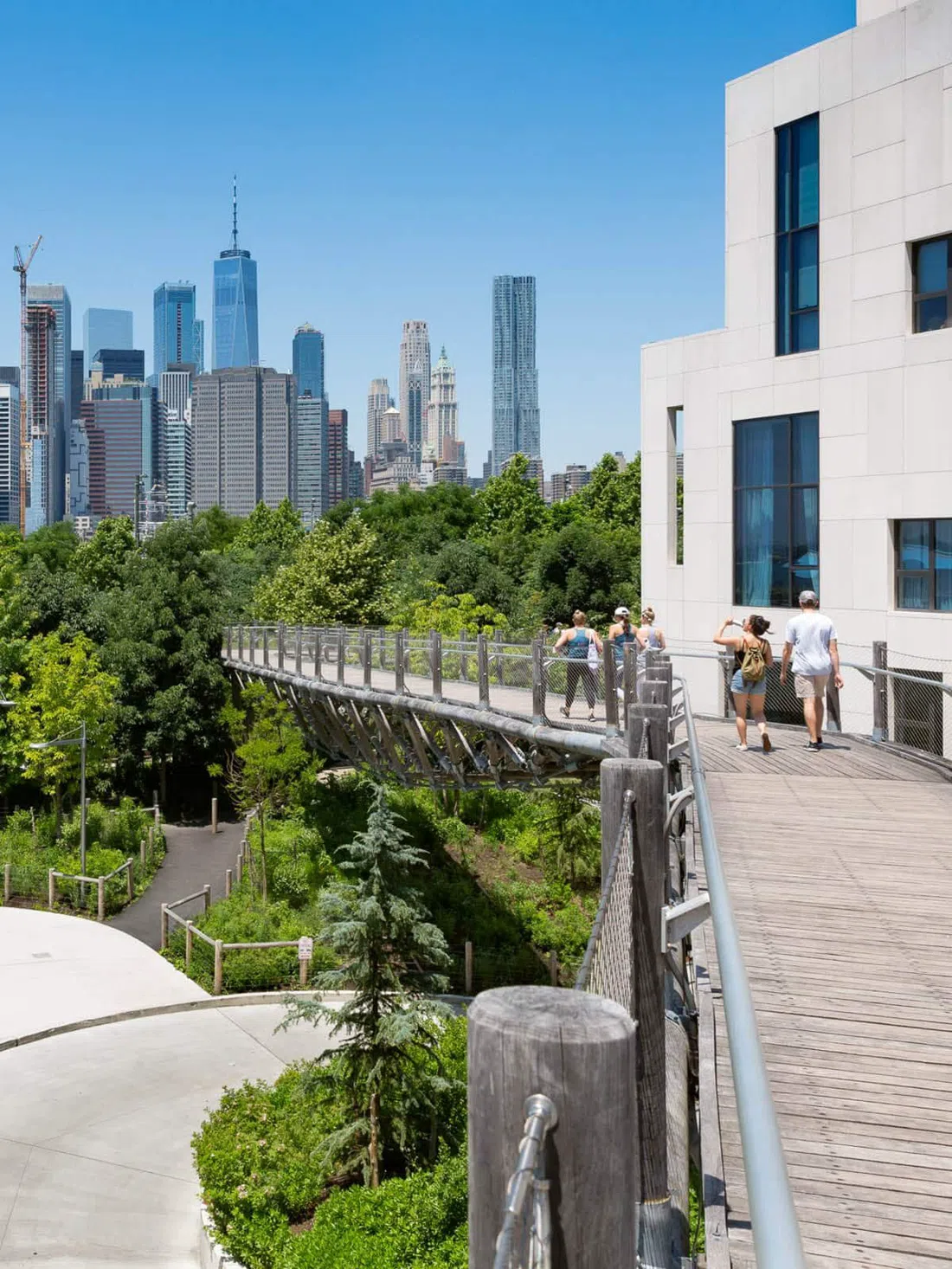
For something genuinely off the standard DUMBO circuit, Squibb Park Bridge is a small, little-known pedestrian bridge that climbs from the waterfront park up to the top of Brooklyn Heights. It's a deliberately springy, modern piece of engineering — it noticeably flexes underfoot as people cross, which some walkers find charming and others find unsettling — and it's a nice counterpoint to include if the piece's angle is partly about engineering: the 1883 span built to be as rigid as possible next to a 21st-century one built to move.
And if the walk has left time for something unusual, the Brooklyn Bridge Park Boathouse runs free public kayaking sessions right under the bridge, genuinely one of the more surprising things to do in this stretch of the city given it costs nothing. First-time paddlers are welcome and no experience is assumed, but the hours are limited — Wednesday, Thursday, and Saturday only — and online registration in advance is recommended, since walk-up spots aren't guaranteed.
Brooklyn Heights: Where the Bridge's Money Lived
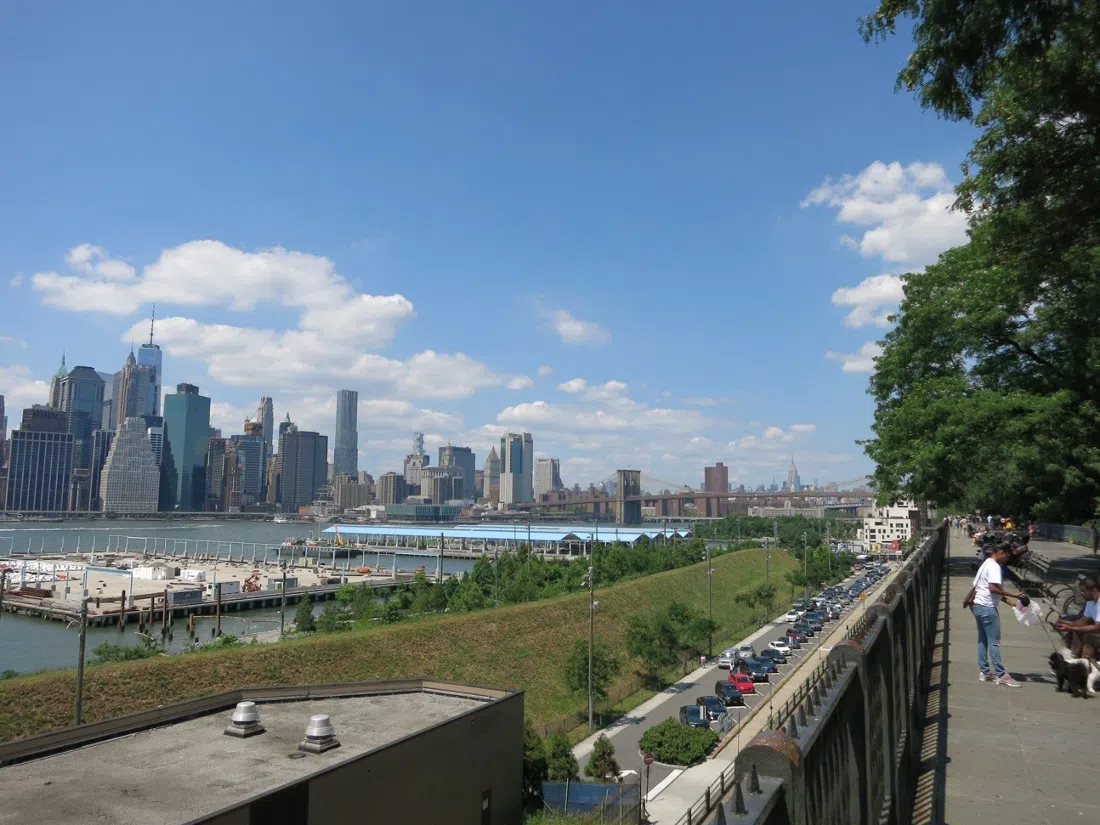
Climb up from the waterfront — via Squibb Park Bridge or the stairs further along — and you're in Brooklyn Heights, the neighborhood that was already New York's first suburb before the bridge existed, and became something closer to its financial aristocracy's back garden once the crossing made a Manhattan commute possible on foot or by streetcar. The Brooklyn Heights Promenade is the payoff: a wide, elevated walkway directly above the BQE with an uninterrupted view across the water to the Lower Manhattan skyline and the bridge itself. It's free, fully public, and wide enough that groups don't create the bottleneck they do on the bridge deck or in DUMBO. It's worth noting for anyone who's read otherwise that the promenade is not closing — the aging BQE structure underneath it is scheduled for repair work rather than demolition, and the walkway itself remains open through it.
For the history that the bridge deck itself doesn't explain, the Center for Brooklyn History, a short walk into the neighborhood, is the place to go. It's the former Brooklyn Historical Society, which merged into the Brooklyn Public Library system in 2020, and its public museum floor — free, open Wednesday to Saturday, noon to 5pm — has the primary-source material on the bridge's construction and the borough's 19th-century transformation that the walk itself only gestures at. Group visits are fine on the museum floor; if anyone wants the research room specifically, that needs an appointment.

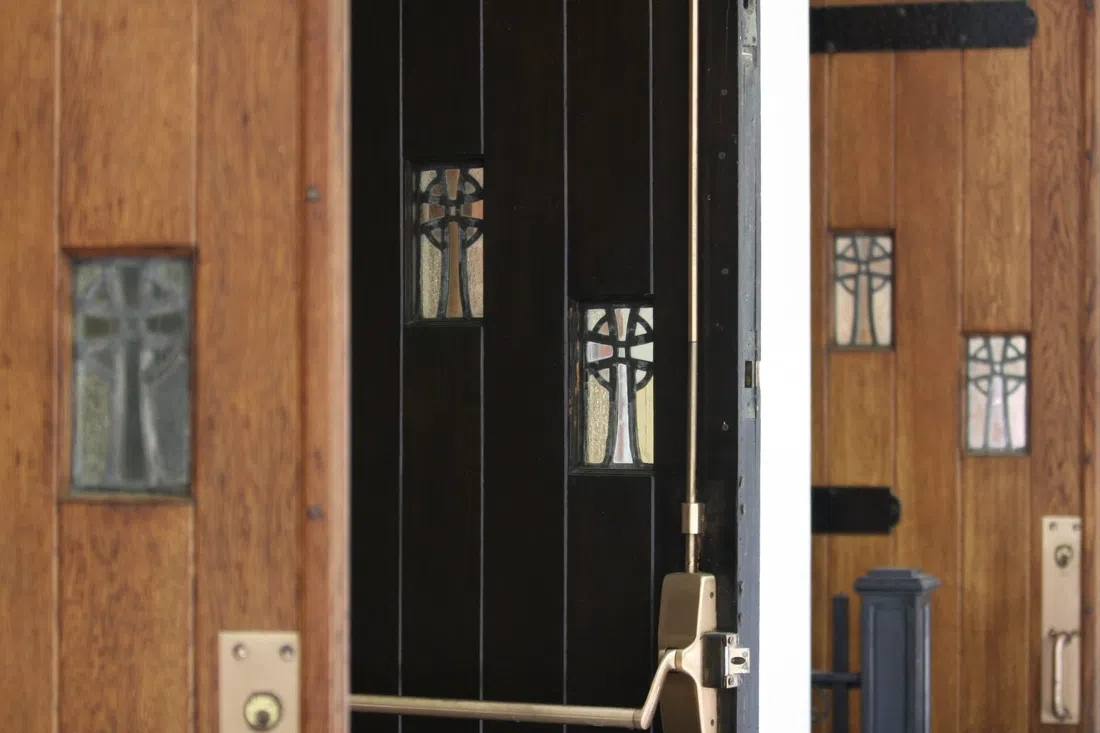
A few streets further, Plymouth Church is worth the short detour for readers interested in why Brooklyn Heights carries the civic weight it does: it was the pulpit of Henry Ward Beecher, whose abolitionist sermons and fundraising made the church a genuine hub of the movement in the 1850s and 60s, and it still runs free, volunteer-led tours on weekdays and after the Sunday service (a donation is suggested, not required). It's closed Saturdays, and groups should call ahead rather than turning up unannounced.
Eating and Drinking Along the Walk
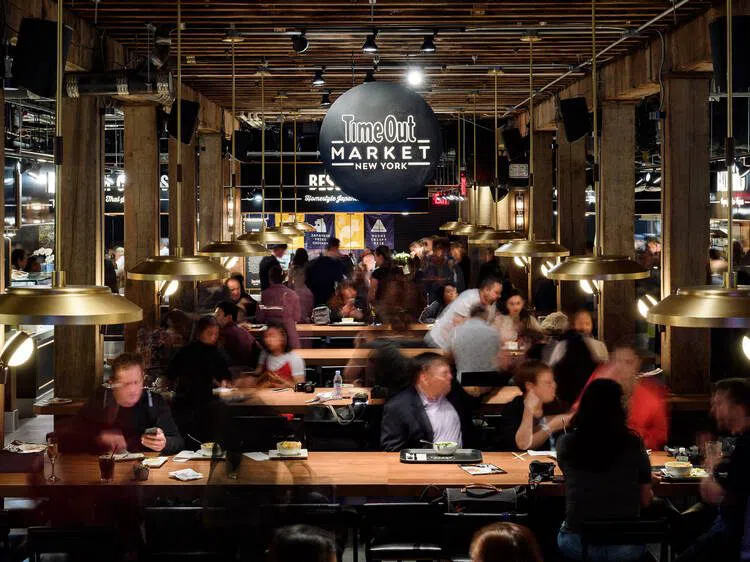
Back down at the waterfront, inside the handsomely restored 19th-century Empire Stores warehouse, Time Out Market New York is the easiest group meal on this whole route — a food hall with communal seating and a bridge view built into the room itself, no reservation needed, and enough stalls that a mixed group with different appetites can actually agree on lunch. Prices vary by vendor, so budget it as a mid-range meal rather than a cheap one.
A few minutes away, Grimaldi's Pizzeria is the archetypal "pizza under the bridge" stop, and it earns the reputation on the pizza itself — but it's worth being straight with readers about the door: no reservations, walk-in only, and the line stretches well down the block at peak walking-tour hours, particularly early afternoon. It's a fine stop if you build in the wait, and a frustrating one if you're trying to move quickly.

For something faster, the Brooklyn Ice Cream Factory is a walk-up counter that's been a Brooklyn Bridge Park institution for years, open daily from noon to 10pm, sitting more or less on the spot where the old Fulton Ferry once landed passengers before the bridge made it obsolete — a small, pleasant historical bookend to open or close the walk on. It handles groups fine at the counter, though outdoor seating is limited, so it's more a stop-and-stroll than a sit-down.
An Evening Beat, and Two Ways to Get Guided Help
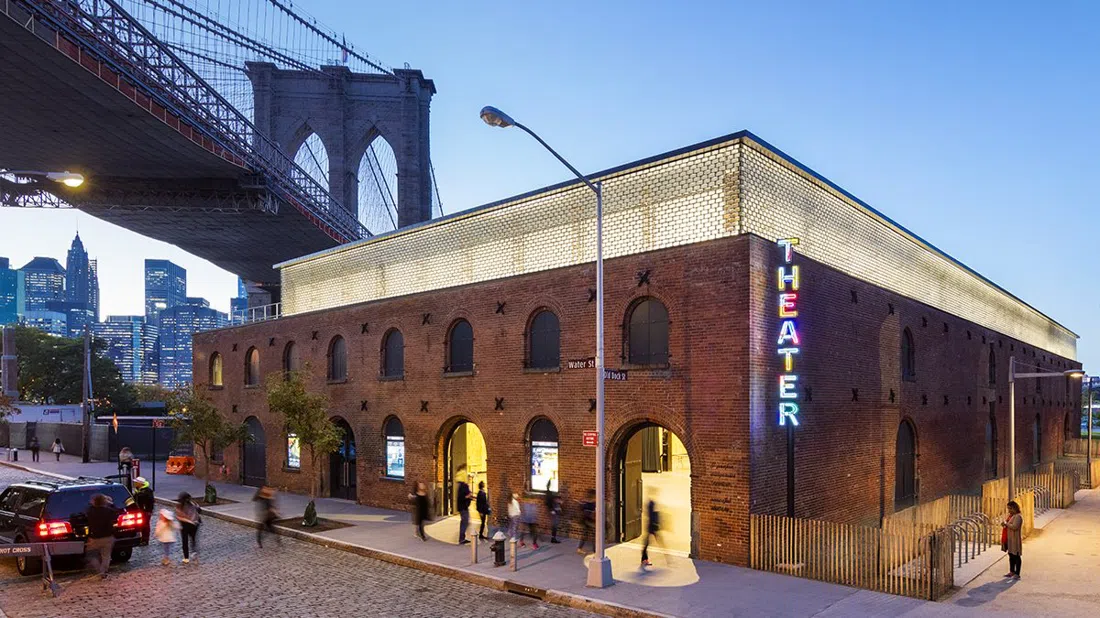
If the itinerary is stretching into the evening, St. Ann's Warehouse, a short walk from the bridge in DUMBO, is the cultural anchor worth checking before you plan around it — a respected experimental theater with a genuinely strong programming record, ticketed per show with group sales available through the box office. It's not a walk-in stop like everything else on this list, so check specific show dates before recommending an evening around it.
For readers who'd rather not self-navigate the history, Free Tours by Foot runs a Brooklyn Bridge, Brooklyn Heights & DUMBO tour that covers, more or less exactly, the route in this guide, in one three-hour walk. It's pay-what-you-wish, typically $10-20 a person, built explicitly for small groups, and the practical advice is simple: show up 5-10 minutes before the meeting time, since the guides keep the format tight.
Getting There, Timing It, and What It Costs
Transport: The Manhattan side starts near City Hall — 4/5/6 to Brooklyn Bridge–City Hall, or R/W to City Hall — and the Brooklyn side lands you in DUMBO, near the F train at York Street or the A/C at High Street. If you're doing the walk in one direction only, it's easy to take the subway back rather than retracing your steps.
Timing: Early morning (7-9am) gives the clearest bridge deck and the best light in DUMBO. Midday is the most crowded window on both the bridge and the Washington Street photo spot. Late afternoon into golden hour is beautiful but busy — expect to queue for the classic DUMBO shot. The whole loop — bridge, DUMBO, up to the Heights and back down — comfortably fills three to four hours at a relaxed pace with stops; add the Boathouse or a Free Tours by Foot session and it's closer to a full day.
Cash and cost: Almost everything on this route that matters — the bridge, the Promenade, the parks, the Squibb Park Bridge, the museum floor at the Center for Brooklyn History, Plymouth Church — is free. The only real costs are food (Time Out Market and Grimaldi's are moderate, the Ice Cream Factory is cheap), Jane's Carousel at $2 a ride, and anything you add on top like a bike rental or a theater ticket. Most places take card; carrying a little cash is still worth it for the carousel and for tipping a Free Tours by Foot guide.
Budget: A full day covering the whole route, lunch at Time Out Market, and a carousel ride comes in comfortably under $50 a person before any extras like biking or a show at St. Ann's Warehouse. If you're planning where to stay for the trip, the New York hotel search covers options within easy reach of both the Manhattan and Brooklyn sides of the bridge.