
By four in the morning, most of Manhattan is still asleep, but a different New York is already running at full volume: forklifts beeping under sodium lights, buckets of flowers stacked onto handcarts, a harbor boat cutting a wake through the fog off the Battery. This is the city that stocks every restaurant kitchen, bodega cooler, and flower stand you'll walk past later that same day, and it keeps its own schedule, one that has nothing to do with sunrise. A loop through it (fish market to produce terminal, flower district to the last working letterpress shop, closed out with a free ferry ride into the daylight) is as close as New York gets to a backstage pass, and most of it costs nothing at all.
The Bronx markets that feed the whole city
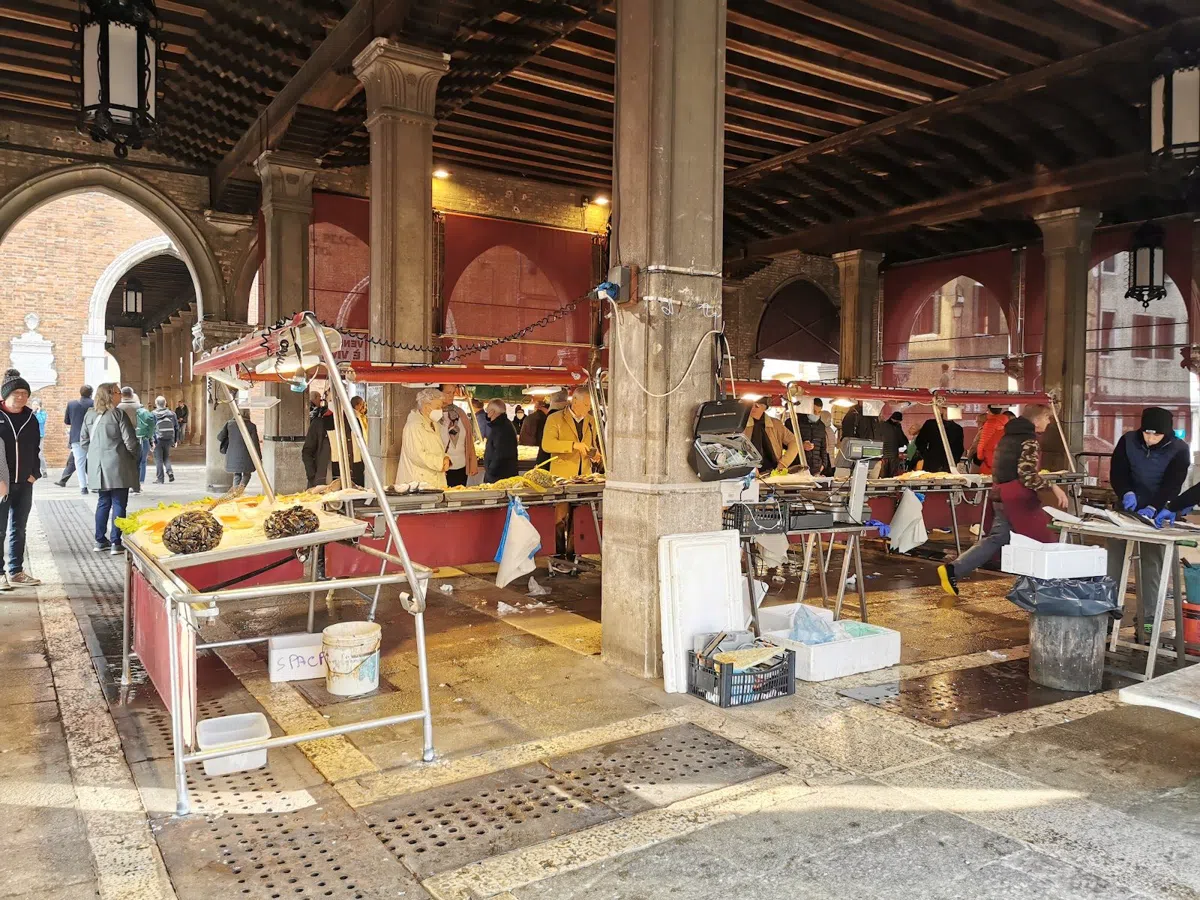
The engine room of this dawn patrol sits in one unglamorous corner of the Bronx. Fulton Fish Market Cooperative (Hunts Point) is the real, still-working heir to the old South Street Fulton Fish Market that once defined lower Manhattan's waterfront. It simply relocated uptown to a purpose-built facility where the trucks can actually turn around. Gates open at 2 a.m. and stay open to buyers until around 7, but the selection thins out fast after 5: whole fish still stiff with ice, crates of scallops packed shell-side down, boxes stacked higher than a person. It's free to walk the white-lined pedestrian aisles and just look, though driving in costs $5-$20 depending on the vehicle, and if you want to actually buy something, bring cash; cards aren't the currency here. This is a working cooperative, not a tourist attraction, so tours need to be arranged in advance by phone or email; don't just show up expecting a guide, and keep any group moving along the marked walkways so you're not standing in the path of a forklift with a pallet in a hurry.

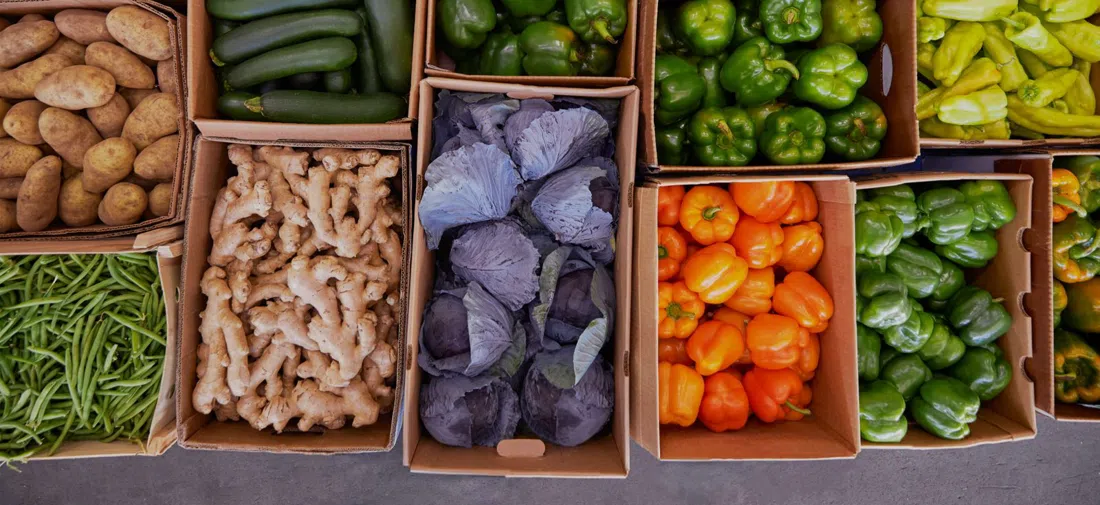
Next door (literally, they share the same distribution complex) is Hunts Point Terminal Produce Market (Hunts Point, the Bronx), the produce half of the operation and the largest wholesale produce market of its kind on earth. Unlike the fish co-op, it has a formal public entry: a $5 day pass gets you in, plus parking that runs $2-$30 depending on what you're driving. There's no walk-up tour desk, so email ahead if you want a guided group visit rather than a self-directed wander through aisles of crates stacked to the ceiling and pallet jacks weaving between them. Pairing the two markets into a single dawn loop is the obvious move: they sit across the same lot from each other, and together they cover both ends of what actually arrives in New York's kitchens before the city wakes up. For a legitimate, organized way behind the loading docks rather than just peering over a fence, Turnstile Tours runs public and private behind-the-scenes tours of exactly this kind of working infrastructure, typically $30-$60 a person with kids 5-12 at half price and under-5s free. Worth booking if you'd rather not cold-call a produce terminal yourself.

Flowers before the city notices them
Two very different flower markets bookend the produce runs, and the contrast between them is worth seeing both.
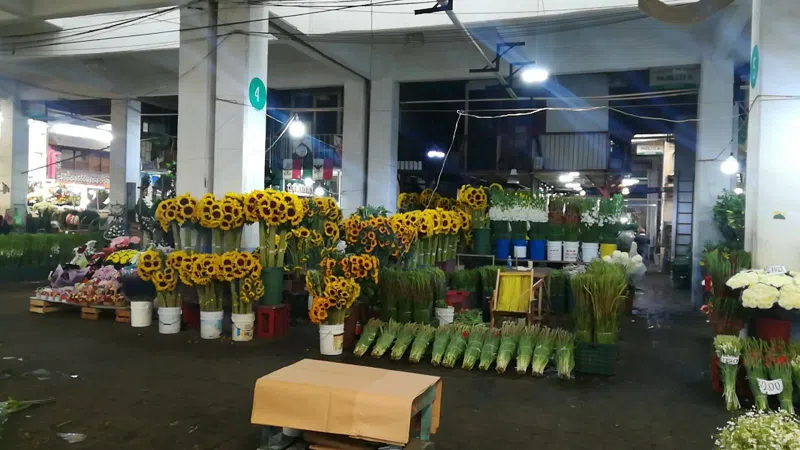
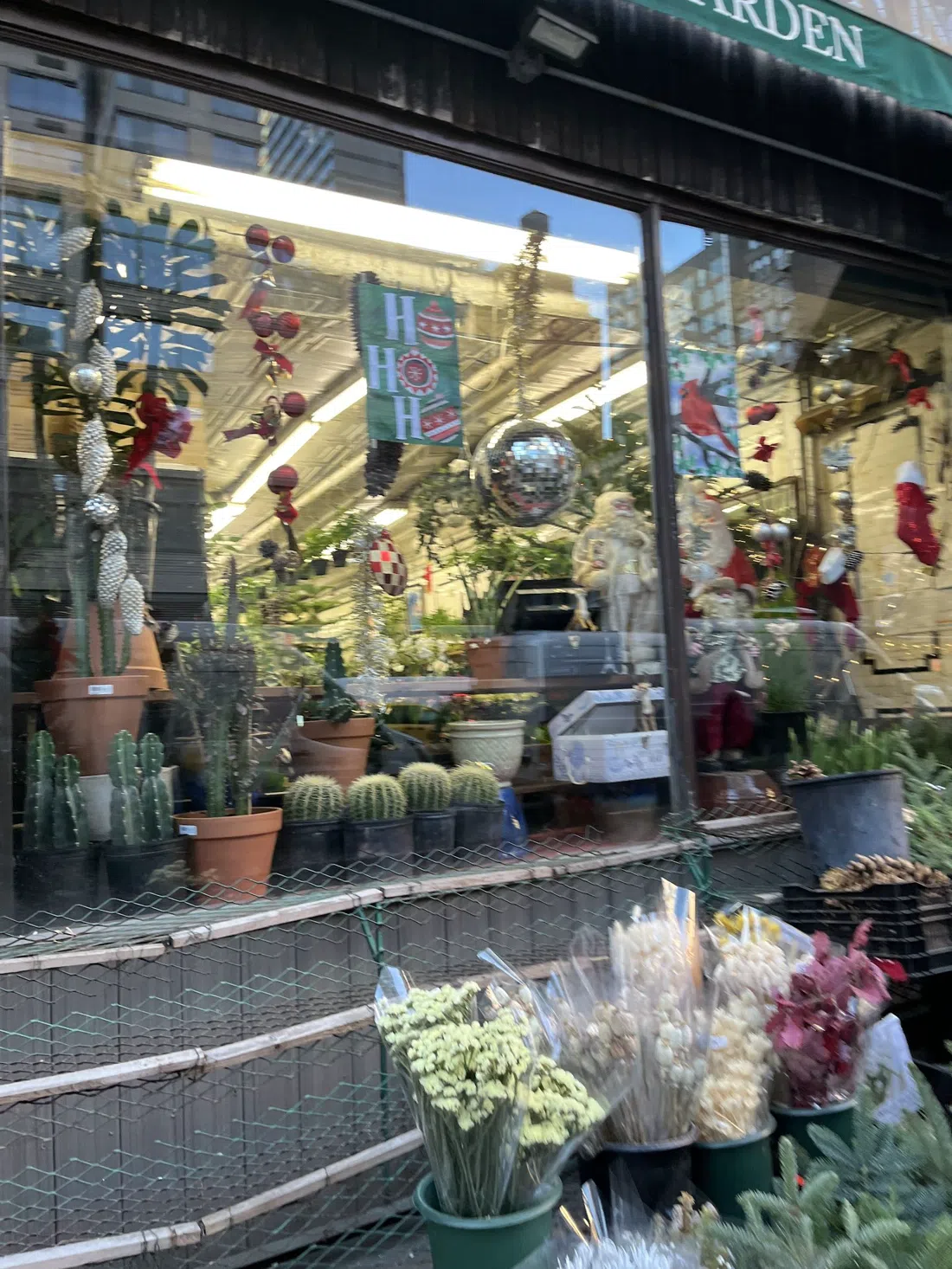
28th Street Flower District (Chelsea, Manhattan) is the one people mean when they say "the flower district": roughly 20 wholesalers left of what used to be a much larger trade cluster, still doing real wholesale business along the sidewalk before pricing switches over to retail around 8 a.m. Get there by 5 or 6 to see it as an actual trade floor: buckets of stems being loaded straight into vans for florists across the city, deals done in trade terms you won't fully follow unless you're in the business. Browsing is free, and once the wholesale window closes, anyone can buy loose bunches for a few dollars each. But if you want the trade-floor version rather than the retail tail end, you have to be early, and the crowd thins fast once it turns over.
Brooklyn Terminal Market is the quieter, less-photographed answer to it: Brooklyn's own wholesale flower and produce market, genuinely uncovered ground even for people who've lived in New York for years without hearing of it. It's a working market rather than a staged attraction, so there's no signage pitching you a tour; you just walk the aisles, and small groups move through easily without getting in anyone's way. Everything is cash, and browsing costs nothing. This is the stop for readers who've already done the famous flower district somewhere else and want the version nobody's written up.
Ink still on the rollers
The dawn markets close their trade windows by mid-morning, which is exactly when New York's working print heritage opens for the day: a natural capstone to the loop rather than a literal 5 a.m. stop.
Bowne & Co., Stationers (South Street Seaport, Manhattan) is a genuine print shop still run as one, not a museum diorama: presses inked and pulled by hand, type set letter by letter from cases of lead sorts. It welcomes walk-in groups, entry is free with no museum ticket required, and there's a shop of letterpress-printed cards and prints if you want to take a piece of it home. It only opens 11 a.m. to 5 p.m., Wednesday through Sunday, so build it into the back half of the day rather than the dawn run itself. This is where the loop ends, not where it starts.
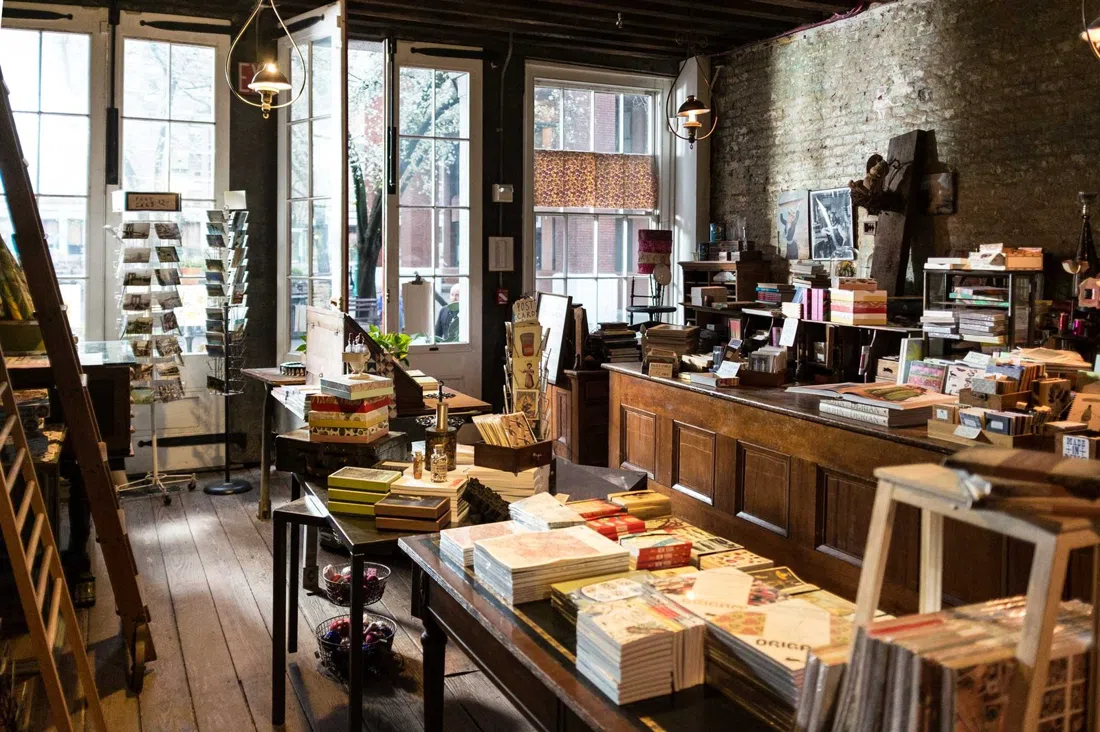
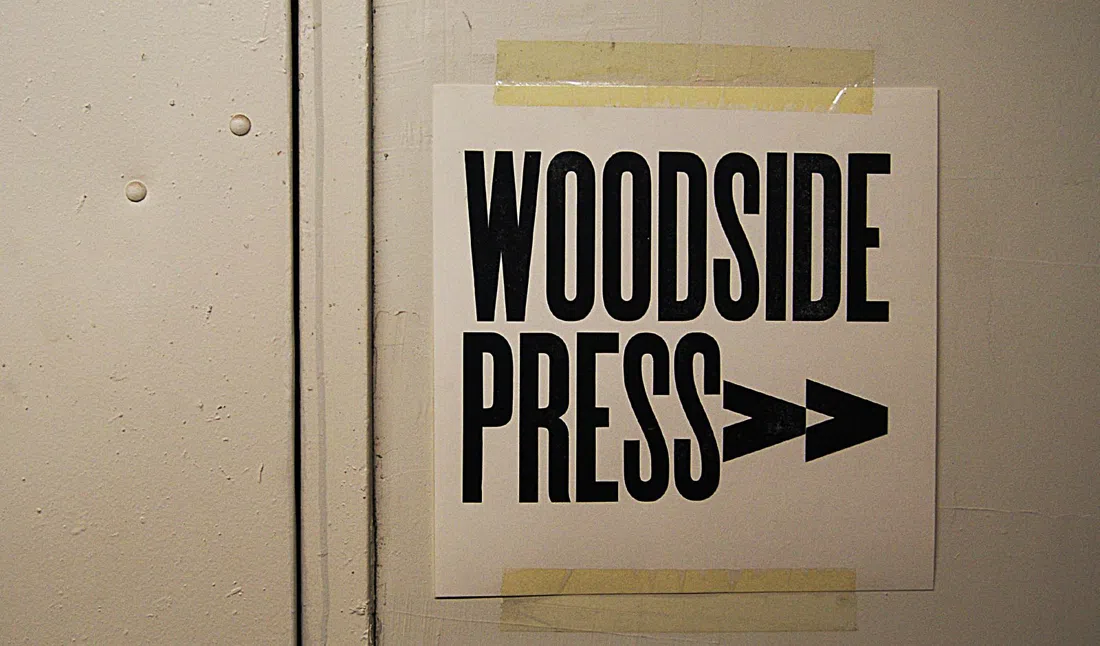
Woodside Press (Brooklyn Navy Yard) is the working, less-visited half of the pairing: a letterpress and bookbinding studio that's been running since 1993, in the Navy Yard since 1998, still doing production work for real clients rather than performing for visitors. It hosts occasional open houses and can be built into a private Brooklyn Navy Yard group visit through Turnstile Tours, with workshop and tour pricing that varies by group. Worth an email if letterpress technique, not just letterpress nostalgia, is what you're after.
Two rides into the daylight
No dawn patrol of New York is complete without getting out on the water, and there are two very different ways to do it.
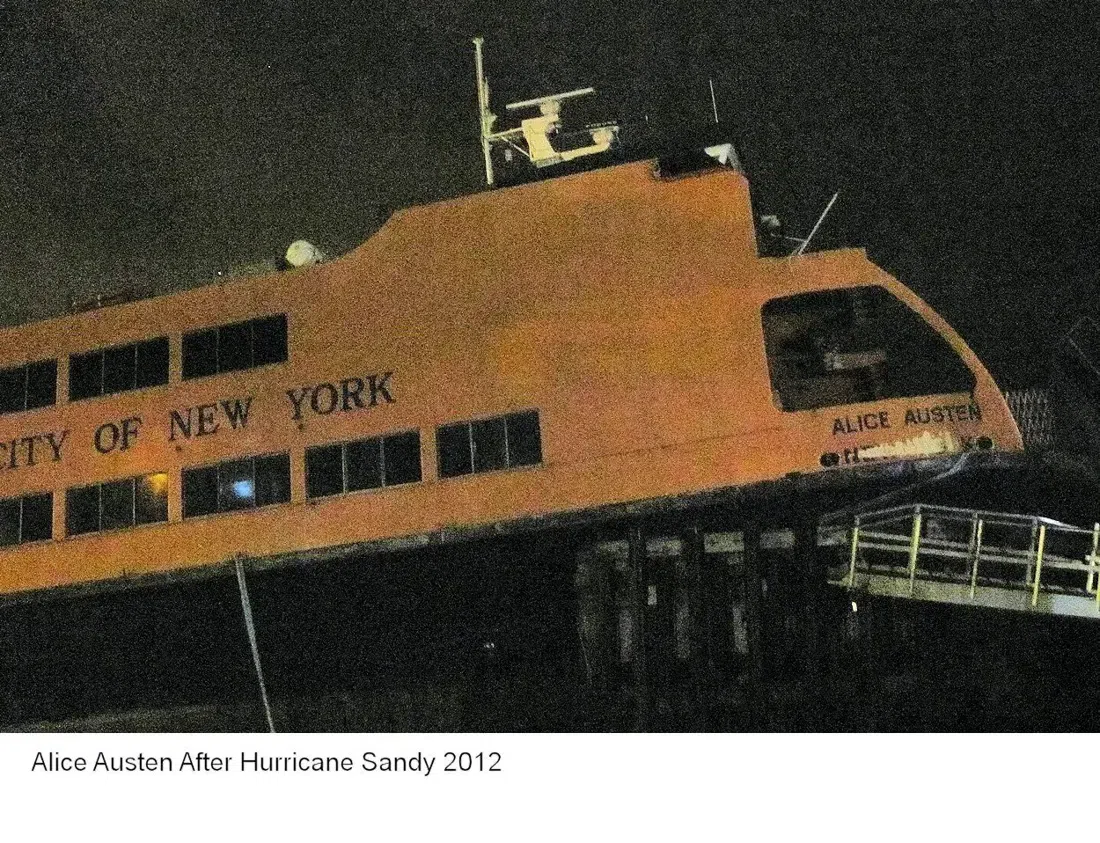
The Staten Island Ferry is the classic: free, no reservation, no ticket gate, running 24 hours a day. A pre-dawn or early-morning crossing gets you the best value shot of the skyline in the entire city, lower Manhattan lit up and the Statue of Liberty off to the side, for the price of walking on board. It's a commuter boat first, so expect actual commuters at that hour rather than fellow tourists, and there's no seating reservation. Just find a spot on the outer deck before it fills up, and hold onto a rail once it clears the terminal.
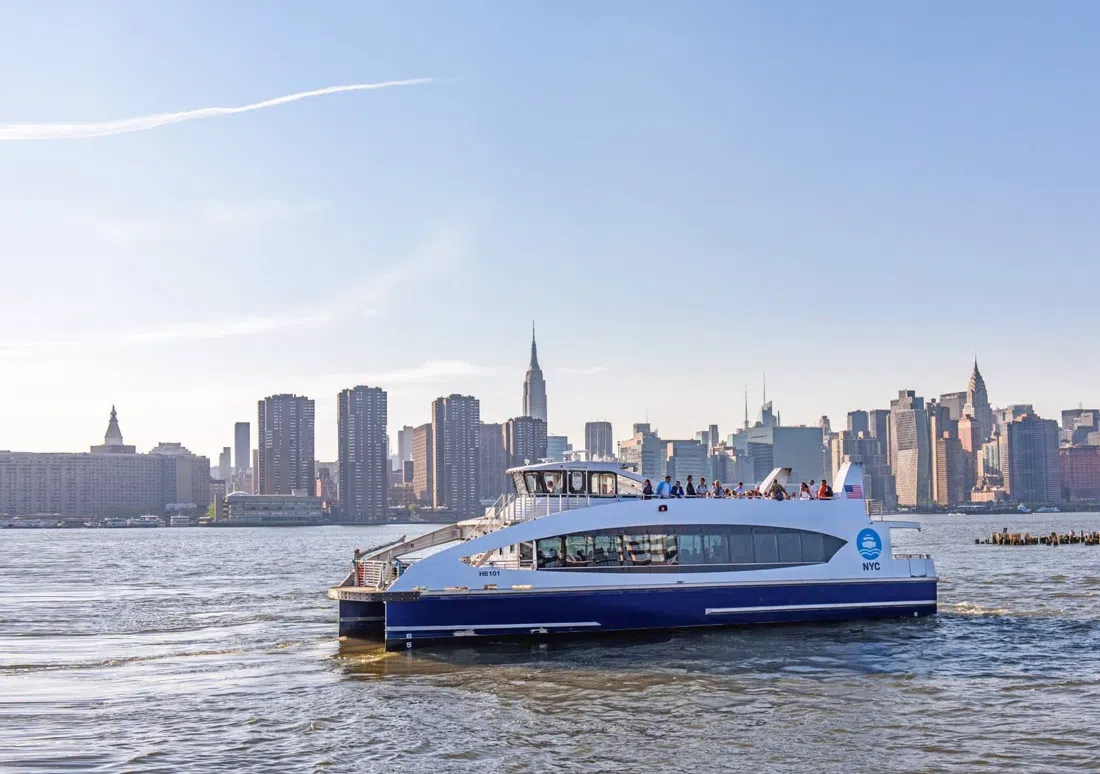
NYC Ferry — East River Route is the working counterpart rather than a scenic loop: a standard commuter ferry service, walk-on with regular ticketing at $4.50 one-way ($1.45 for eligible discounted fares), hopping between waterfront stops on both sides of the East River. It's the practical way to string the Manhattan and Brooklyn legs of this itinerary together without surfacing into subway traffic, and it puts you on the water for a second, different angle on the skyline than the Staten Island run. Worth doing if your loop is taking you between Brooklyn Navy Yard and Manhattan anyway.
Breakfast at the end of the loop
By the time the markets and the ferries are done, you've earned something to eat, and New York has two honest options that don't require a reservation.
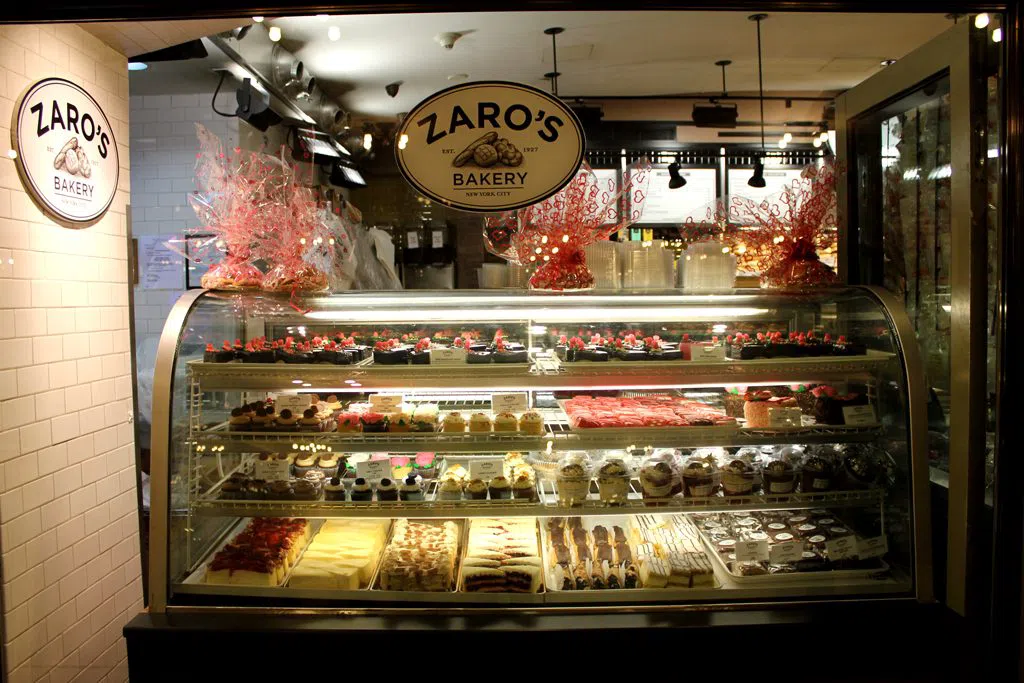
Zaro's Family Bakery (Grand Central Terminal, Track 19, Manhattan) is a wholesale-rooted operation whose counter runs 24 hours, opening fresh at 5 a.m. daily. Nothing here costs more than $10 a piece: grab whatever's still warm from the case, a bagel, a slice of babka, a rugelach, and eat it standing under the ceiling of one of the great transit halls anywhere, no appointment needed and no line that outlasts your patience.
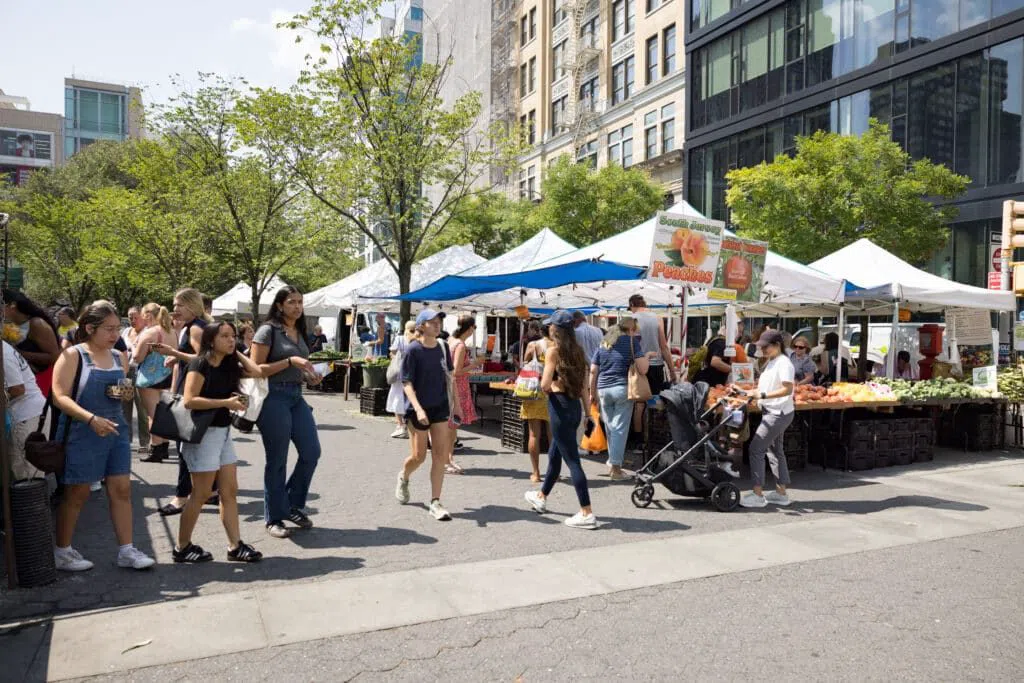
Union Square Greenmarket is worth an honest caveat: its official hours are 8 a.m. to 6 p.m., Monday, Wednesday, Friday, and Saturday, so it is not a 5 a.m. market in the way the fish co-op or the flower district are. But the farmer load-in (trucks backing up to the plaza, tables going up, crates of produce being stacked before the first customer arrives) starts well before the market technically opens, and it's as real a "city before it wakes" moment as anything else on this list, if you happen to be walking through Union Square at that hour on a market day. Treat it as a bonus stop on the way to somewhere else, not the reason you set an alarm.
Getting the timing, transport, and budget right
Ordering the loop matters more than any single stop on it. Start in the Bronx while it's still dark: the fish co-op and Hunts Point produce market are both busiest and best before 5 a.m., and the selection thins out fast after. From there, a car or cab back into Manhattan gets you to the Flower District by 6, still inside its wholesale window. Ferries and print shops are daylight moves: save the Staten Island Ferry for the first proper light over the harbor, and Bowne & Co. for after 11 when it's actually open.
Transport. The Bronx markets are genuinely easier by car, cab, or a pre-booked car service than by subway at that hour: public transit to Hunts Point from Manhattan before dawn is thin and slow. Everything from the Flower District onward (ferries, Grand Central, Union Square) is well served by subway once trains are running to a normal schedule, roughly 5:30-6 a.m.
Cash. Bring some. Both the fish and flower markets are cash-first for actual purchases, and Brooklyn Terminal Market doesn't take cards at all.
Budget. The markets themselves are free to walk through; the real costs are optional: a $5 day pass at Hunts Point, $5-$20 if you drive into the fish co-op, $30-$60 a head for a Turnstile Tours behind-the-scenes visit, and $4.50 for the NYC Ferry leg. The Staten Island Ferry is free. A full loop for two people, tours included, comes in comfortably under $150.
Timing. Give the whole thing four to five hours, roughly 3 a.m. to 8 a.m., if you want to hit the Bronx markets at their best and still make it to a ferry in daylight. It's a long, cold, early morning even in summer. Dress for a working dock, not a sightseeing stroll, and wear shoes you don't mind getting wet.
If you're building a longer stay around this, sort accommodation early: a New York hotel search close to a subway line that runs early is worth more than a fancier room you can't get out of before dawn. For the rest of the city once the sun's properly up, the full New York guide picks up where this loop leaves off.